Currently, you’ll find four FDA-approved medications for alcohol use disorder treatment: naltrexone, acamprosate, disulfiram, and topiramate. Naltrexone blocks alcohol’s pleasurable effects through opioid receptor antagonism, while acamprosate stabilizes glutamate systems disrupted by chronic alcohol use. These medications work best when combined with behavioral therapy, achieving up to 46% reduction in heavy drinking for injectable naltrexone. Emerging treatments like GLP-1 receptor agonists and precision medicine approaches are transforming addiction care for 2025 and beyond.
The Evolution of FDA-Approved AUD Medications

Over seven decades of pharmaceutical development have shaped the landscape of FDA-approved medications for Alcohol Use Disorder (AUD). You’ll find that disulfiram’s 1949 approval marked the first significant breakthrough, introducing a deterrent-based approach through acetaldehyde accumulation.
Disulfiram’s groundbreaking 1949 FDA approval revolutionized AUD treatment, establishing medication-based interventions for alcohol dependence.
The field remained relatively static until acamprosate’s 2004 approval brought glutamate modulation into the therapeutic arsenal. Currently, four FDA-approved medications are available for treating AUD, providing clinicians with multiple therapeutic options. Studies show that low treatment rates persist, with less than 10% of AUD patients receiving pharmacotherapy. Emerging treatments like genetic marker testing show promise in identifying patients who may respond better to specific medications.
Today’s holistic care approaches emphasize combining medications with behavioral interventions, though medication adherence challenges persist. The FDA’s 2025 Qualified Drug Development Tool has streamlined clinical trials, paving the way for more innovative treatments.
You’re seeing a clear evolution from single-drug approaches to more sophisticated combination therapies, reflecting our deeper understanding of AUD’s complex neurochemistry. This progression continues to inform modern treatment protocols and research directions.
Understanding Naltrexone’s Role in Recovery
When considering effective pharmacological interventions for alcohol use disorder, naltrexone stands out as a cornerstone medication through its targeted action on opioid receptors. You’ll find it blocks alcohol’s pleasurable effects while diminishing dopamine release, disrupting the addiction cycle at its neurobiological core. This treatment approach helps address a condition that affects 28 million Americans aged 12 and older. Patients who experience euphoric or energetic effects from drinking are particularly strong candidates for this treatment approach. Unlike other medications, naltrexone is non-addictive and won’t create physical dependency.
Clinical evidence demonstrates naltrexone’s effectiveness in supporting medication adherence through two key formulations: daily oral tablets and monthly injections. You’re looking at 40-60% reduced relapse rates within the first year, particularly when addressing social determinants through combined behavioral therapies and support programs.
For ideal outcomes, you’ll need 3-6 months of initial treatment, with extended durations recommended for high-risk cases. The injectable form proves especially valuable for patients requiring enhanced compliance support, while continuous monitoring helps maintain long-term recovery success.
Breakthrough Treatments on the Horizon

While naltrexone remains a proven treatment option, emerging breakthroughs in alcohol addiction therapy offer unprecedented potential for recovery success. You’ll find GLP-1 receptor agonists leading the charge, targeting both metabolic and neurological pathways to reduce alcohol cravings through dopamine modulation. Medication-assisted treatment has revolutionized addiction recovery by combining pharmaceutical interventions with behavioral therapy. Clinical evidence shows that GLP-1 receptor agonists demonstrate reduced alcohol intake particularly in obese patients with alcohol use disorder.
GLP-1 receptor agonists revolutionize addiction treatment by targeting multiple pathways, offering new hope beyond traditional medications like naltrexone.
Gene therapy using AAV2-hGDNF shows remarkable promise, with sustained suppression of alcohol reintroduction in clinical trials. Chest-worn biosensors now provide continuous monitoring of vital signs to detect potential complications during withdrawal.
Today’s precision dosing techniques integrate with remote monitoring platforms, combining AI-driven interventions and VR therapy for all-encompassing treatment. These digital solutions enable real-time tracking and personalized support.
Enhanced behavioral therapies, including EMDR and Seeking Safety programs, now address co-occurring trauma while treating addiction. When combined with emerging medication protocols, these innovations offer a multi-faceted approach to sustainable recovery.
Personalized Medicine Approaches for AUD
Recent advances in personalized medicine have revolutionized alcohol use disorder (AUD) treatment through genetic biomarker analysis and precision pharmacotherapy. Through genetic testing utilization, clinicians can now identify specific markers that predict your response to medications like naltrexone and acamprosate. This targeted approach eliminates much of the traditional trial-and-error process. A thorough assessment process identifies your unique genetic, mental health, and social factors that influence treatment success.
Pharmacogenomics applications enable your healthcare team to develop customized treatment plans that account for your unique genetic profile, metabolism, and co-occurring conditions. Companies like Adial Pharmaceuticals are leading the way with precision-based diagnostics that transform how AUD medications are prescribed. New research examining the endocrine system’s role in addiction provides additional treatment targets. Advanced computational models analyze your neural circuits to determine ideal medication choices and dosing strategies. You’ll receive integrated care that simultaneously addresses both AUD and any mental health comorbidities.
Real-time biomarker monitoring allows your treatment team to make dynamic adjustments, substantially improving your chances of successful long-term recovery while minimizing adverse effects.
Combining Medications With Behavioral Support
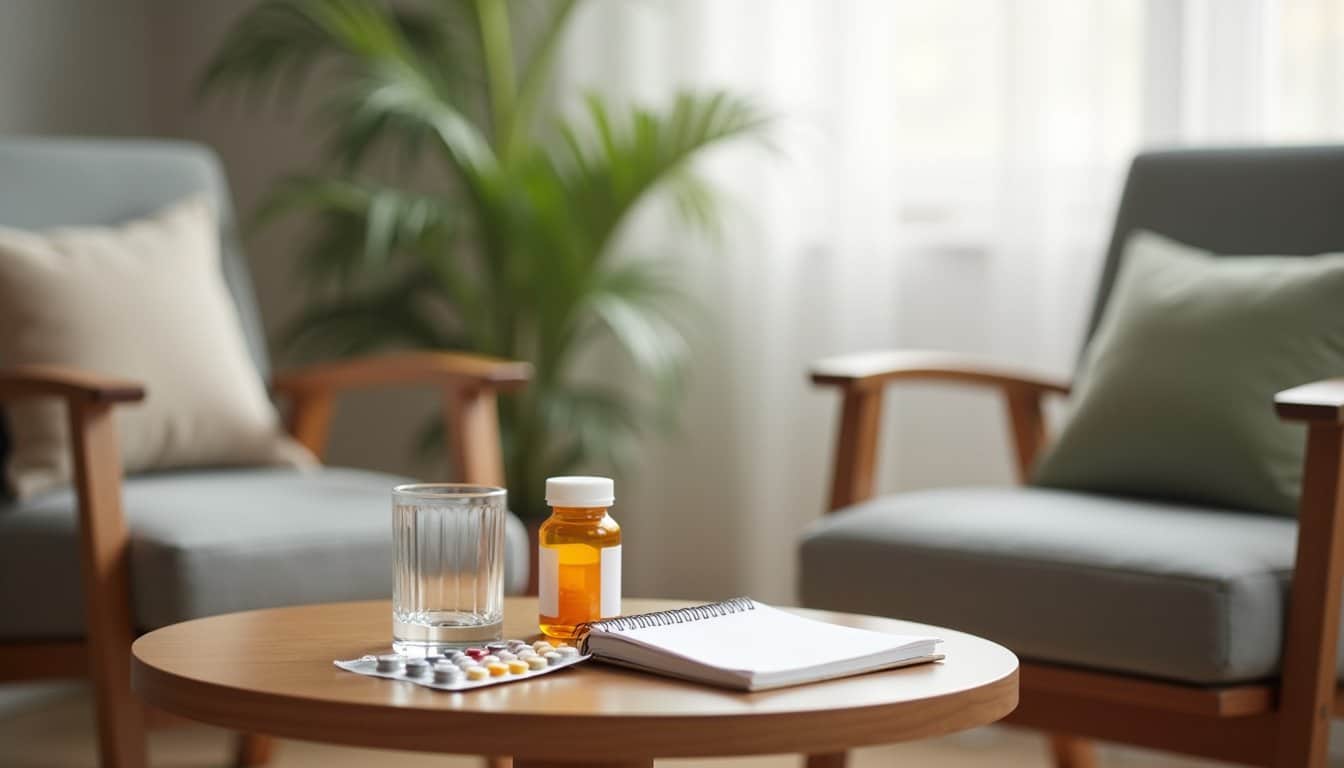
Clinical research shows you’ll achieve better outcomes when combining addiction medications with behavioral therapies and support groups. Your treatment plan’s effectiveness rises markedly when medications like naltrexone or acamprosate work alongside structured counseling sessions that teach coping strategies and relapse prevention techniques.
Oral and injectable naltrexone have both demonstrated significant reductions in heavy drinking after hospital discharge. With nearly half a billion people affected by alcohol use disorder globally, having access to both medication and behavioral support is crucial for successful treatment outcomes. You’ll find that support groups complement your medication regimen by providing peer encouragement and accountability while reinforcing the behavioral changes necessary for sustained recovery.
Therapy Enhances Drug Effectiveness
Extensive research demonstrates that combining FDA-approved medications with behavioral therapy creates a powerful synergy in treating alcohol use disorder (AUD).
You’ll find that adherence optimization through behavioral support notably enhances medication effectiveness. When you’re hospitalized, initiating naltrexone before discharge, coupled with structured follow-up care, reduces heavy drinking by 38-46 percentage points within three months. Studies show that only 7.2 percent of individuals with alcohol use disorder receive treatment.
Holistic care models that integrate counseling help you manage cravings and identify relapse triggers while the medication addresses physical dependency.
Your treatment outcomes improve tremendously when you combine FDA-approved medications like naltrexone or acamprosate with therapeutic interventions. This integrated approach helps you maintain long-term sobriety by addressing both the psychological and physiological aspects of addiction, leading to sustained reductions in drinking days and improved recovery rates.
Supporting Recovery Through Groups
Building on medication’s effectiveness, support groups create a robust framework for sustained recovery from alcohol use disorder. When you participate in mutual support groups like AA or SMART Recovery, you’ll find peer networks that reinforce your medication adherence while providing essential accountability.
Support group dynamics complement pharmacological treatments through multiple mechanisms. You’ll benefit from cognitive-behavioral therapy that helps identify triggers, while educational components enhance your understanding of how medications like naltrexone and acamprosate work. These groups also provide relapse prevention training that works synergistically with your prescribed medications’ protective effects. Regular healthcare provider check-ins during treatment help monitor your progress and adjust support strategies as needed.
The combination of behavioral support and medication greatly improves treatment outcomes. Research shows that when you engage in both group therapy and medication treatment, you’re more likely to maintain long-term sobriety and reduce heavy drinking days.
Modern Administration Methods and Compliance
Modern alcohol addiction treatment offers you both injectable and oral medication options, with extended-release naltrexone’s monthly injection providing a significant advantage for treatment adherence compared to daily oral medications.
You’ll find that injection methods eliminate daily dosing challenges while ensuring consistent medication levels, though oral formulations remain valuable for their accessibility and flexibility in outpatient settings.
Treatment compliance technologies, including electronic monitoring systems and biochemical testing protocols, help your healthcare team track adherence and adjust treatment plans for ideal/excellent/preferred outcomes.
Injection Vs Oral Options
Treatment approaches for alcohol use disorder have evolved to offer both injectable and oral medication options, each presenting distinct advantages in administration and compliance. You’ll find extended-release naltrexone injections provide monthly dosing convenience, while oral medications like ReVia, Campral, and Antabuse require daily observance.
Injectable options guarantee consistent therapeutic levels through predictable pharmacokinetics, though provider accessibility considerations may limit their use in rural areas. Oral medications offer greater flexibility but face compliance challenges due to frequent dosing requirements.
Patient centered counseling helps determine the most suitable option, weighing factors like lifestyle, access to healthcare, and individual treatment goals. While injectables eliminate daily adherence concerns, oral medications remain valuable tools, particularly in areas with limited specialist availability.
Treatment Compliance Technologies
Recent technological advances have revolutionized medication compliance monitoring in alcohol addiction treatment. Tech-enabled adherence programs now integrate wearable devices that detect physiological changes associated with cravings and potential relapse risks. You’ll find AI-driven monitoring systems analyzing real-time data to predict and prevent setbacks in your recovery journey.
Data-driven relapse prevention strategies utilize digital therapeutics platforms that combine cognitive-behavioral therapy with mobile engagement tools. You’re supported by systems like Soberlink’s breathalyzing technology, which verifies your sobriety remotely while maintaining accountability. These innovations integrate seamlessly with your electronic health records, allowing healthcare providers to make informed treatment adjustments.
Federal policies increasingly support these technological solutions, making them more accessible through expanded insurance coverage and promoting scalable, tech-integrated care models for improved treatment outcomes.
The Science Behind AUD Medication Success
Understanding the science behind medication-assisted treatment for Alcohol Use Disorder (AUD) reveals remarkable success rates through well-documented mechanisms of action. You’ll find that each FDA-approved medication targets specific neurological pathways: naltrexone blocks opioid receptors to reduce alcohol’s rewarding effects, while acamprosate stabilizes glutamate systems disrupted by chronic alcohol use.
Clinical data demonstrates that medication accessibility greatly impacts outcomes, with injectable naltrexone achieving up to 46% reduction in heavy drinking. Healthcare provider education plays a vital role in optimizing these treatments, as proper medication selection can dramatically improve success rates. For instance, naltrexone’s NNT of 18 and acamprosate’s NNT of 11 show measurable effectiveness in preventing relapse, particularly when combined with behavioral therapy. These medications’ proven safety profiles and minimal side effects support their integration into standard treatment protocols.
Addressing Treatment Barriers and Solutions
While access to effective AUD medications has expanded, multiple systemic barriers continue to impede ideal treatment delivery across healthcare settings. You’ll find that improving healthcare infrastructure requires addressing geographic disparities, particularly in rural areas where only 20% of facilities offer addiction services. Overcoming financial constraints remains critical, as high medication costs and limited insurance coverage create significant treatment barriers.
| Barrier Type | Key Challenge | Solution Approach |
|---|---|---|
| Geographic | Rural clinic shortages | Expand telehealth services |
| Financial | High medication costs | Insurance navigation support |
| Systemic | Limited provider training | Increase funding for education |
To combat these obstacles, healthcare systems are implementing targeted solutions like mobile health units, community partnerships, and financial navigation programs. These initiatives, combined with public health campaigns reducing stigma, help create more accessible and effective treatment pathways.
Optimizing Medication Management Strategies
Successful medication management in alcohol use disorder (AUD) requires a strategic, personalized approach that builds upon accessible treatment infrastructure. You’ll need to implement thorough medication adherence monitoring and tailored tapering protocols based on individual patient profiles and genetic markers.
For ideal outcomes, you should initiate treatment within 14 days of diagnosis and schedule two follow-up visits in the first month. You can maximize effectiveness by combining pharmacotherapy with behavioral interventions like CBT or couples therapy. When managing complex cases with comorbidities, don’t delay AUD treatment – instead, address mental health and substance use concerns simultaneously.
Consider flexible dosing strategies, including daily naltrexone for full abstinence or event-based administration for high-risk situations. For patients with adherence challenges, extended-release injectable formulations offer a practical solution.
Next-Generation Therapeutic Innovations
Emerging therapeutic innovations in alcohol addiction treatment now offer you personalized algorithms that match specific medications to your biological response patterns and drinking behaviors. Novel delivery systems like the NeuralGlider Injector enable precise medication targeting to brain regions associated with cravings, while improving treatment adherence compared to traditional administration methods.
The development of dual-action compounds, particularly GLP-1 receptor agonists, shows promise in simultaneously addressing alcohol cravings and metabolic factors, representing a significant advancement in addiction pharmacotherapy.
Personalized Treatment Algorithms
As personalized medicine revolutionizes healthcare delivery, AI-driven treatment algorithms have transformed the landscape of alcohol addiction therapy. Through AI-driven patient profiling, you’ll receive customized treatment plans that integrate your genetic markers, behavioral patterns, and environmental triggers. Predictive relapse modeling analyzes your real-time data to forecast potential challenges before they occur.
| Treatment Component | AI Integration | Patient Benefit |
|---|---|---|
| Medication | Precision dosing | Ideal therapeutic response |
| Therapy Sessions | Smart scheduling | Maximum engagement |
| Biomarker Analysis | Real-time monitoring | Early intervention |
| Crisis Prevention | Predictive alerts | Reduced relapse risk |
| Support Networks | Automated matching | Enhanced recovery |
Your treatment journey adapts continuously through machine learning algorithms that process your physiological responses, medication effectiveness, and behavioral changes, ensuring the most effective intervention strategies for your specific needs.
Novel Delivery Systems
Building upon personalized treatment algorithms, next-generation therapeutic innovations have revolutionized medication delivery in alcohol addiction treatment. You’ll find targeted drug delivery systems now incorporate AI-driven biosensors and wearable devices that continuously monitor your physiological markers, enabling precise medication adjustments in real-time.
These advanced delivery mechanisms enhance bioavailability through synchronized release patterns matched to your body’s circadian rhythms and metabolic processes. Digital therapeutics integrate with your medication regimen, providing automated dosing notifications and tracking adherence through smart devices.
Telemedicine platforms allow your healthcare providers to make remote adjustments based on real-time data from integrated biosensors. This ideal approach combines traditional pharmacotherapy with cutting-edge technology, ensuring suitable therapeutic outcomes through precise medication delivery and monitoring.
Dual-Action Drug Development
The latest wave of dual-action drug development has transformed alcohol use disorder (AUD) treatment through innovative compounds that target multiple therapeutic pathways simultaneously. You’ll find emerging neuropeptide modulators like GLP-1 receptor agonists (semaglutide, liraglutide) now showing promise in addressing both metabolic dysfunction and alcohol cravings.
Cannabinoid receptor strategies, when combined with traditional treatments, enhance therapeutic outcomes.
Repurposed agents like apremilast demonstrate dual benefits by reducing inflammation while decreasing alcohol consumption. AD04’s selective serotonin-3 receptor inhibition, coupled with genetic targeting, represents a precision medicine approach. You’re seeing a shift from single-mechanism treatments to multi-target therapies that address complex neural pathways. These innovations improve treatment adherence through simplified regimens and potentially offer superior outcomes for patients with comorbid conditions.
Recovery Is Always Possible
Medications work best when combined with therapy, that’s the MAT approach. At The Hope Institute, we provide trusted Medication-Assisted Treatment (MAT) alongside our flexible Intensive Outpatient Program (IOP) to help you take the next step. Call (855) 659-2310 today and begin moving toward a healthier life.
Frequently Asked Questions
Can AUD Medications Be Taken While Pregnant or Breastfeeding?
While you’re pregnant or breastfeeding, most alcohol use disorder medications require careful consideration due to potential long-term effects on your baby. Acamprosate shows the most promising safety profile during pregnancy, while disulfiram should be strictly avoided due to known adverse reactions.
You’ll need to work closely with your healthcare team to weigh the risks of untreated alcohol use against medication effects. During breastfeeding, acamprosate and naltrexone are generally considered safer options.
How Long Does It Typically Take for AUD Medications to Start Working?
You’ll notice different time frames for symptom relief depending on the medication. Oral naltrexone begins blocking opioid receptors within 1-2 hours, while injectable forms provide immediate sustained blockade.
However, don’t expect instant results gradual efficacy improvements typically occur over 3 months. You’ll usually see significant reductions in heavy drinking within the first few months of treatment, but it’s important to continue the medication as prescribed for ideal outcomes.
Will Insurance Cover the Cost of These Medications for Alcohol Treatment?
Your insurance plan coverage for FDA-approved alcohol treatment medications typically depends on several factors. Most plans will cover these medications, but you’ll need a formal AUD diagnosis and prior authorization from your healthcare provider.
Your out-of-pocket costs will vary based on your specific plan’s formulary status and tier placement. Generic versions usually have better coverage than brand-name options. It’s best to check with your insurance provider for specific coverage details.
Are There Any Dietary Restrictions While Taking AUD Medications?
When taking AUD medications, you must completely avoid alcohol, including in food preparations. While there aren’t strict dietary restrictions, you’ll need to make adjustments based on your specific medication.
If you’re on acamprosate with kidney issues, you’ll need to limit sodium intake. Don’t start any nutritional supplements or dietary supplements without consulting your doctor, as they could interact with your medication.
With disulfiram, you must avoid even trace amounts of alcohol in foods.
Can I Still Take My Regular Prescription Medications With AUD Treatments?
You’ll need to consult your healthcare provider before combining AUD treatments with your current medications due to potential medication interactions. Some combinations may require dosage adjustments or might be unsafe altogether.
Be especially careful with opioids, sedatives, or antidepressants, as these can have serious interactions. Your doctor will evaluate your complete medication list and may need to adapt your treatment plan to guarantee your safety and optimize effectiveness.