Smoking meth slowly damages your lungs by exposing your airways and alveoli to high heat and toxic combustion products. Over decades, you’ll develop progressive inflammation in your bronchioles and alveoli, impaired mucociliary clearance, and cumulative tissue injury. This chronic irritation leads to structural changes and fibrosis, reducing your lung elasticity and breathing capacity. You’ll face rising risks of infection, COPD, and pulmonary hypertension. Understanding how this damage unfolds can help you recognize the warning signs.
Key Takeaways
- High heat and toxic combustion products progressively damage airway linings, bronchioles, and alveoli with repeated exposure.
- Chronic irritation causes cumulative structural changes, including interstitial fibrosis and reduced lung elasticity over time.
- Impaired mucociliary clearance leads to recurrent respiratory infections and rising risk of pneumonia and lung abscess.
- Vascular remodeling can trigger pulmonary arterial hypertension, while ongoing damage promotes emphysema and COPD.
- Long-term smoking may culminate in respiratory failure, with fibrosis and hypertension often remaining irreversible after quitting.
What Does Smoking Meth Do to Your Lungs
Smoking meth exposes your airways and alveoli to high heat and toxic combustion products that damage the airway lining and impair mucociliary clearance. This respiratory damage doesn’t stay temporary. Toxic injury reaches the lung parenchyma, and chronic irritation triggers inflammation in your bronchioles and alveoli, reducing gas exchange over time. If you’re using product from improvised production, inhaled contaminants add chemical injury to your respiratory tract. Meth use and throat damage can lead to debilitating symptoms that affect daily life. Persistent soreness and irritation may discourage individuals from speaking or eating comfortably.
Both regular and non-regular use can compromise your pulmonary function. Repeated exposure produces progressive structural change rather than isolated irritation, so your lung health deteriorates cumulatively. Each episode damages tissue that doesn’t fully recover, setting the stage for the scarring, vascular remodeling, and infection risk that develop across subsequent years.
Why Does Smoking Damage the Lungs More Than Snorting or Injecting
Smoking inflicts more direct lung damage than snorting or injecting because it exposes your airways and alveoli directly to high heat and toxic combustion products. This route bypasses the filtration that other methods partially provide, delivering thermal and chemical injury straight to the respiratory tract.
| Route | Primary Lung Impact |
|---|---|
| Smoking | Direct heat, combustion toxins, parenchymal injury |
| Snorting | Minimal airway contact, nasal absorption |
| Injecting | Systemic entry, bypasses airways |
| Combustion contaminants | Chemical injury from improvised production |
Smoking impairs your mucociliary clearance, triggers bronchiolar and alveolar inflammation, and drives progressive structural change rather than temporary irritation. Because you inhale contaminants repeatedly, you compound toxic parenchymal injury, accelerating fibrosis, vascular remodeling, and long-term functional decline.
What Breathing Symptoms Should Raise Alarm

Certain breathing symptoms should raise alarm because they often signal that meth-related lung injury has progressed beyond irritation into structural or vascular disease. You shouldn’t dismiss persistent respiratory complaints as temporary, since they can reflect fibrosis, pulmonary vascular remodeling, or infection requiring urgent evaluation.
Watch for these warning signs:
- Progressive breathlessness, especially on exertion, suggesting reduced lung elasticity, interstitial fibrosis, or pulmonary hypertension
- Chronic cough that persists or worsens, potentially mimicking other lung diseases
- Hemoptysis (coughing up blood), which may indicate alveolar hemorrhage or vascular injury
- Chest pain or sudden severe dyspnea, possibly signaling barotrauma, pneumothorax, or acute respiratory failure
- Recurrent respiratory infections, including pneumonia, reflecting impaired clearance and vulnerability
If you notice these symptoms, seek immediate assessment, because established structural damage can become irreversible.
What Serious Conditions Can Develop Over Time
Several serious pulmonary conditions can develop over decades of meth smoking as repeated exposure drives progression from irritation to permanent structural and vascular damage.
You can develop interstitial lung disease, where fibrotic changes in alveolar walls reduce lung elasticity, impair expansion, and cause chronic hypoxemia. Postmortem findings in long-term users show extensive interstitial fibrosis, and one case documented 15 to 20 years of near-daily inhalation followed by pulmonary fibrosis. You’re also at higher risk for pulmonary arterial hypertension, since chronic use remodels pulmonary arteries through smooth muscle proliferation. In one adjusted analysis, meth use disorder carried 1.78 times higher odds of pulmonary hypertension and 1.98 times higher odds of lung disease. Additional threats include COPD exacerbation, emphysema, lung abscess, pneumonia, and respiratory failure.
Can Your Lungs Heal After Quitting Meth
Your lungs can heal after you quit meth, but only partially, depending on what type of damage you’ve accumulated. Reversible processes, including inflammation, bronchospasm, and mucociliary impairment, often improve once you stop exposing your airways to heat and toxic combustion products. Structural damage behaves differently. Established interstitial fibrosis and pulmonary arterial remodeling represent permanent changes that cessation won’t reverse.
Quit meth and your lungs heal what they can, inflammation fades, but scarred tissue and vascular damage stay permanent.
Your recovery potential varies by condition:
- Airway inflammation typically subsides after you remove the irritant
- Mucociliary clearance can gradually restore, lowering infection risk
- Interstitial fibrosis persists, since scarred alveolar walls don’t regenerate
- Pulmonary hypertension may stabilize but often remains irreversible once vascular remodeling sets in
- Emphysematous change stays permanent, though further decline slows
Quitting halts progression, but it can’t rebuild destroyed tissue.
Conclusion
Years of smoking meth can quietly and steadily damage the lungs, leading to chronic coughing, shortness of breath, scarring, and a higher risk of serious respiratory disease. Because this harm builds gradually, it is easy to overlook until breathing becomes noticeably harder. The good news is that quitting can slow further damage and give the lungs a chance to recover some function over time. If meth is affecting your breathing or your health, The Hope Institute in West Milford, NJ offers compassionate treatment to help you heal and breathe easier again.
How to Find Treatment for Meth Addiction
Start with a medical evaluation that assesses both your substance use disorder and pulmonary status, since interstitial fibrosis, pulmonary hypertension, and recurrent respiratory infections require ongoing management. Seek programs that integrate addiction treatment with medical care. Because no FDA-approved medications exist for methamphetamine use disorder, evidence-based behavioral interventions, contingency management, cognitive behavioral therapy, and the Matrix Model, form the treatment foundation. Contingency management shows the strongest evidence for sustained abstinence. Look for facilities offering supervised detoxification, structured outpatient or residential care, and coordination with pulmonology to monitor lung function. Early cessation limits progressive structural damage, though established scarring and vascular remodeling may persist.
Reclaim Your Health From Meth Addiction
Meth takes a serious toll on your body, but professional care can help you heal both physically and mentally. At The Hope Institute in Newfoundland, NJ, our caring team offers compassionate outpatient Meth Addiction Treatment with warmth, patience, and a real belief in your recovery. Call +1 (855) 659-2310 today and let us walk with you toward brighter days.
Frequently Asked Questions
Can Secondhand Meth Smoke Harm Other People’s Lungs?
Yes, secondhand meth smoke can harm your lungs. When you’re exposed, you’re inhaling high heat and toxic combustion products that damage your airway lining and impair mucociliary clearance. You’re also breathing chemical contaminants from improvised production, adding toxic injury to your respiratory tract. This exposure can trigger inflammation in your bronchioles and alveoli, reducing gas exchange. Repeated passive exposure raises your risk of progressive structural change, not just temporary irritation.
Does Meth Smoke Damage Lungs Differently Than Tobacco Smoke?
Yes, meth smoke damages your lungs differently than tobacco. You’re exposing airways to high heat and toxic combustion byproducts, plus chemical contaminants from improvised production. This drives interstitial fibrosis, pulmonary arterial remodeling, and pulmonary hypertension, meth’s linked to 1.78 times higher odds of pulmonary hypertension. You’ll also face acute events like alveolar hemorrhage and non-cardiogenic pulmonary edema. Tobacco typically causes emphysema and COPD through different, slower inflammatory mechanisms.
Are Certain People Genetically More Vulnerable to Meth Lung Damage?
Very likely, yes. While there is no single gene identified for meth-related lung damage specifically, genetics clearly shape how vulnerable a person is to lung injury in general. Inherited differences affect how the body handles inflammation, toxins, and conditions like pulmonary arterial hypertension, which meth can worsen. That means two people with similar meth use can end up with very different lung damage. Because you cannot know your exact risk in advance, the safest path is to stop use and get a medical evaluation, since the lungs can begin to recover once meth is out of the picture.
How Is Meth-Related Lung Disease Diagnosed by Doctors?
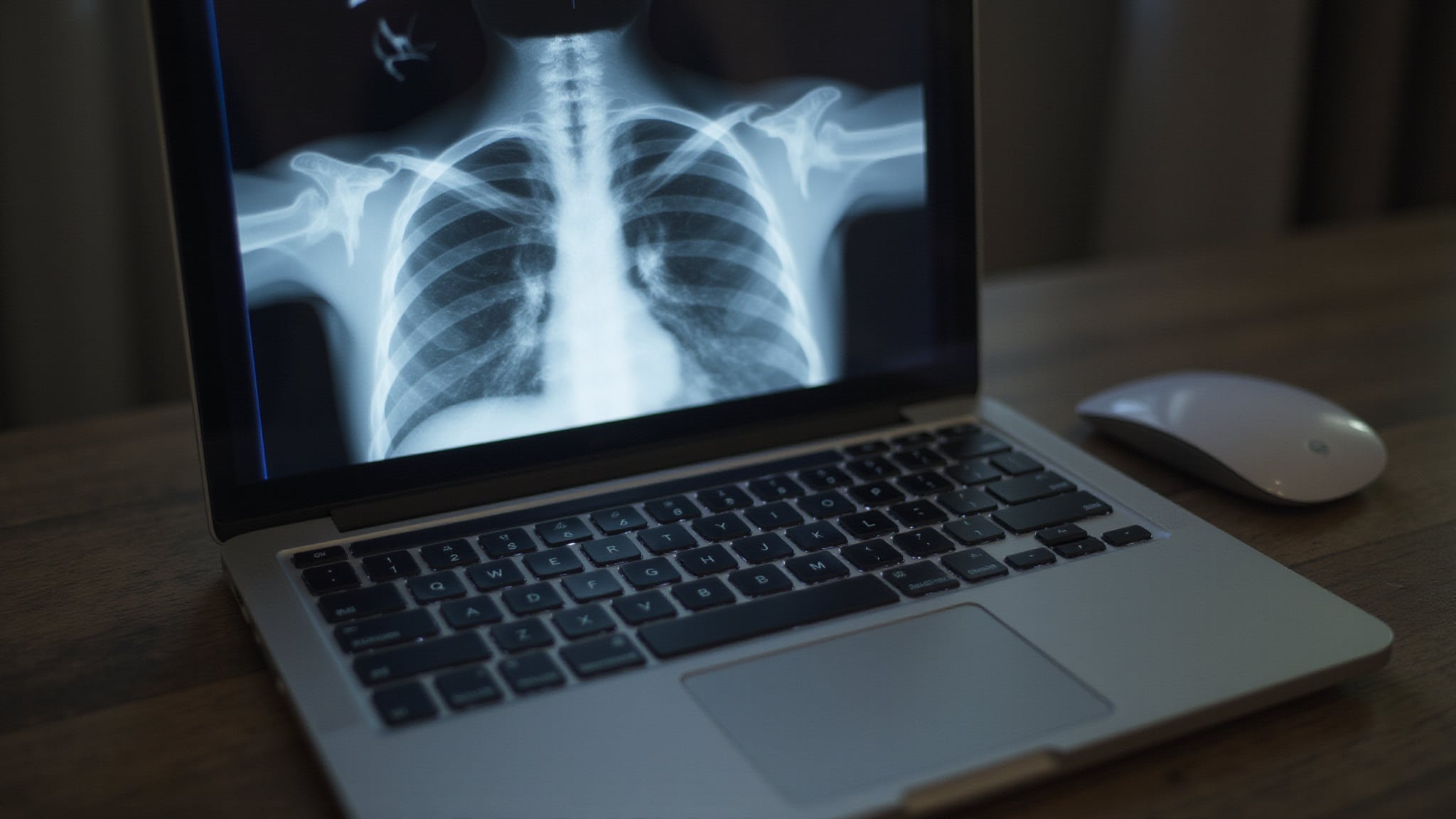
Doctors diagnose meth-related lung disease by combining your exposure history with imaging and functional testing. You’ll likely undergo a chest CT to detect interstitial fibrosis, emphysema, or hemorrhage. Pulmonary function tests measure reduced elasticity and gas exchange, while echocardiography or right-heart catheterization identifies pulmonary hypertension. Doctors also order bloodwork, arterial gases, and sometimes bronchoscopy or biopsy, ruling out infection and confirming structural damage that mimics other chronic lung conditions.
Does Combining Meth With Other Drugs Worsen Lung Damage?
Yes, combining meth with other drugs worsens your lung damage. When you smoke meth alongside tobacco, you compound airway inflammation and accelerate COPD progression and emphysema. Mixing it with opioids raises your risk of respiratory depression and non-cardiogenic pulmonary edema. Adding contaminants from improvised production or other inhaled substances intensifies chemical injury to your parenchyma. You’re also increasing vulnerability to pneumonia, alveolar hemorrhage, and pulmonary vascular remodeling driving hypertension.