Choose a calm, sober moment when you’re both free from distractions, and find a quiet, private space. Keep this first talk brief and gentle. Lead with care, not criticism. Use “I” statements like “I’ve felt worried lately,” and avoid labels such as “alcoholic.” Ground your concern in specific behaviors you’ve noticed. Ask open-ended questions, then listen without judgment. Stay patient if she reacts defensively. There’s more you’ll want to know before you begin.
Key Takeaways
- Choose a calm, sober moment in a private, quiet space, and keep the first conversation brief rather than confrontational.
- Lead with care using “I” statements like “I’ve felt worried lately,” avoiding labels such as “alcoholic” or blame.
- Ground your concern in specific, observable incidents rather than guesses, noting effects on health, mood, and daily responsibilities.
- Stay calm if denial or anger arises, acknowledge her feelings, and pause to revisit the talk when emotions cool.
- Offer practical support like finding counseling or attending appointments, presenting choices rather than ultimatums to preserve her sense of control.
How Do You Talk to Your Mother About Her Drinking Problem

Begin a conversation this delicate by choosing the right moment, when she’s sober, calm, and you’re both free from distractions. Pick a private, quiet space, and keep this first talk brief. Good communication isn’t about staging a dramatic intervention; it’s about opening a door. Prepare your key points ahead of time, and focus on specific behaviors rather than vague criticism. Use “I” statements to share your concern, and avoid labels like “alcoholic.” Ask open-ended questions so she can respond freely, and listen without judgment. Acknowledge any progress she’s already made. This conversation about alcohol may only be the beginning, so offer support and options instead of demands, and stay patient throughout the process. Dealing with guilt about a mother’s drinking can be incredibly challenging. It often leads to complicated feelings that can affect your relationship. Finding healthy ways to express these emotions and seeking professional help can be beneficial.
How Can You Be Sure It’s Really a Drinking Problem
You can be sure it’s really a drinking problem by paying attention to specific, observable patterns rather than guessing. Notice whether drinking affects her health, mood, relationships, or daily responsibilities. Does she drink more than she used to, or struggle to stop once she starts? Are there missed commitments, memory gaps, or growing tension at home?
Write down concrete incidents rather than relying on vague impressions. These examples ground your concern in reality, not assumption. You don’t need a formal diagnosis to feel worried, her well-being matters regardless of labels. If the effects you’re seeing keep repeating, that’s usually a clear enough sign to gently start talking.
Why Is Confronting a Parent So Hard
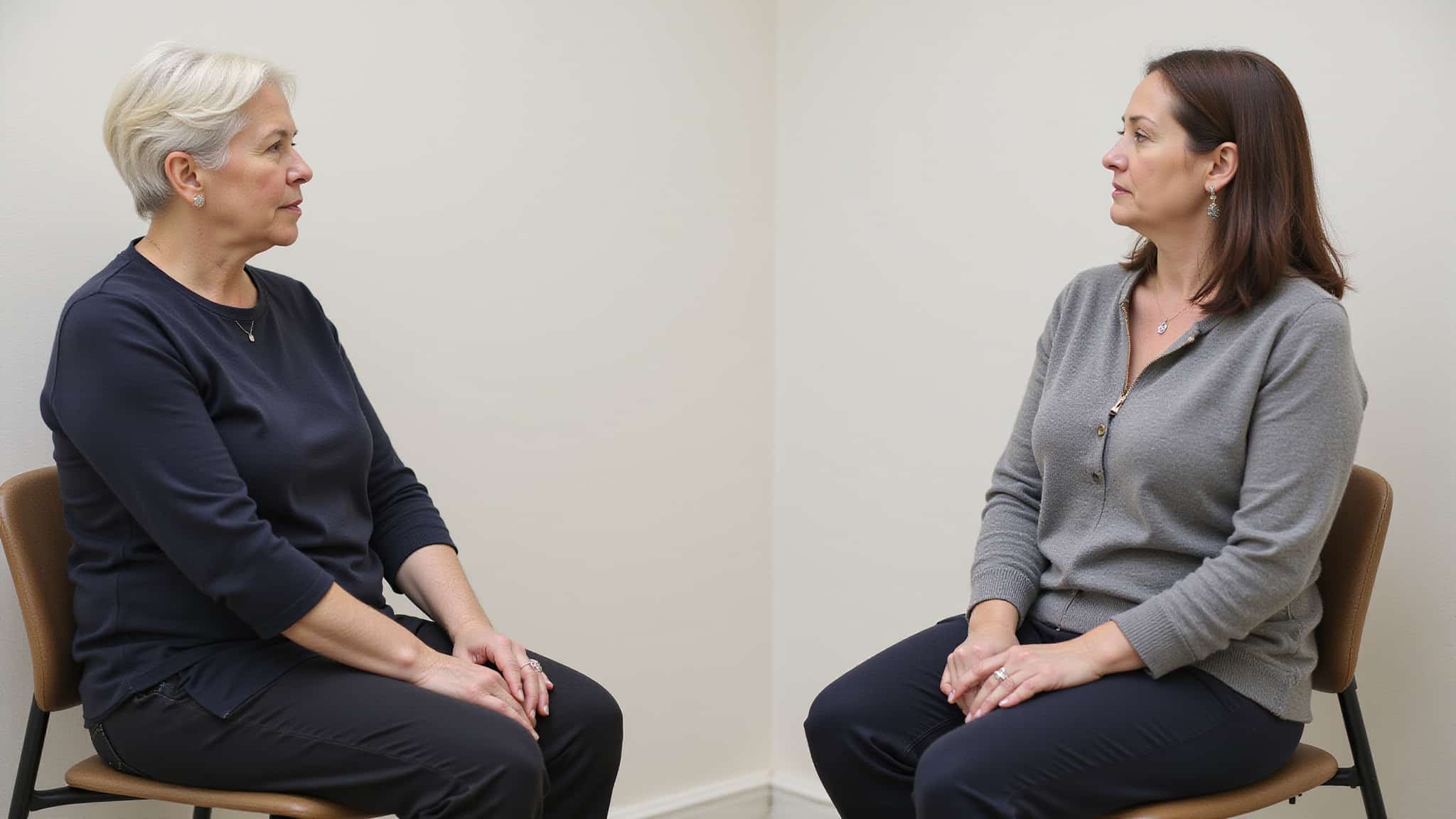
Confronting a parent about their drinking is hard because it flips a lifelong dynamic on its head. For years, your mother guided you, comforted you, and set the rules. Now you’re the one raising a concern, and that role reversal can feel deeply uncomfortable.
When you speak up about a parent’s drinking, the roles reverse, and that shift can feel deeply uncomfortable.
You might worry about disrespecting her, damaging your relationship, or triggering anger and denial. Fear of rejection runs strong, and you may doubt whether it’s even your place to speak up.
There’s also the emotional weight of loving someone while watching them struggle. You care about her, so the stakes feel high.
Recognizing these feelings doesn’t mean you should stay silent. Understanding why this is difficult helps you approach the conversation with patience, compassion, and realistic expectations.
What Should You Say and What Should You Avoid
What you should say leads with care, not criticism. The words you choose can make the difference between opening a door and slamming it shut. Use “I” statements that describe what you’ve noticed, and stay focused on one specific concern rather than a lifetime of grievances. Ask open-ended questions, then listen without rushing to fix everything at once.
| What to Say | What to Avoid |
|---|---|
| “I’ve felt worried lately.” | “You’re an alcoholic.” |
| “Can we talk about this?” | Threats, guilt, or pleading |
| “I’m here to help you.” | Lecturing or shaming |
| “How are you feeling?” | Blame and old arguments |
How Do You Handle Denial or Anger

Handle denial or anger by staying calm and acknowledging her feelings rather than arguing. Even when you lead with care, your mother might deny there’s a problem or react with anger, and that’s a common, even expected, response. Don’t take it as failure. Resist the urge to argue or prove your point, since that only fuels defensiveness. Avoid getting sidetracked by blame, old grievances, or a debate about whether a problem exists.
Instead, acknowledge her feelings and keep your tone steady. You might say, “I hear that this upsets you, and I’m only sharing because I care.” Give her room to feel uncertain or ambivalent.
If either of you becomes too upset, pause the conversation. This first talk may simply open the door. You can revisit it later when things feel calmer.
Why Is Drinking Especially Risky for Older Adults
Drinking is especially risky for older adults because aging bodies process alcohol more slowly, so even a couple of drinks can have a stronger effect. Your mother likely has less body water to dilute alcohol, meaning higher concentrations reach her bloodstream and brain.
As we age, our bodies process alcohol more slowly, so even a couple of drinks hit harder.
Alcohol can also interact dangerously with common medications, from blood pressure pills to sleep aids. It raises the risk of falls, memory problems, and worsening conditions like diabetes or heart disease.
You might notice she seems unsteady, confused, or more tired than usual. These aren’t just signs of aging. They can signal that drinking’s affecting her health.
Understanding these risks helps you approach her with genuine concern, not blame, when you’re ready to talk.
How to Find Help for Her and Support for Yourself
Finding real support starts with reaching out for both her and yourself. You don’t have to carry this alone, and neither does she. Offering options rather than demands makes it easier for her to accept help when she’s ready.
- Offer to help find medical care, addiction counseling, or treatment options that fit her needs.
- Offer to attend an appointment or provider conversation alongside her.
- Present choices, not ultimatums, so she keeps a sense of control.
- Combine practical support with emotional reassurance throughout the process.
- Suggest a follow-up conversation, since one talk rarely resolves everything.
For yourself, lean on support groups, a counselor, or trusted friends. Caring for her starts with caring for you too.
Conclusion
Talking to your mother about her drinking is rarely easy, but approaching her with honesty, compassion, and calm can open the door to real change. Choosing the right moment, using caring rather than accusatory language, and listening without judgment all make it more likely she will hear you. Change may not come after one conversation, and that is okay, since planting the seed matters. You do not have to guide her toward help alone. If your mother is ready to talk about her drinking, The Hope Institute in West Milford, NJ offers compassionate, family-centered support to help her take the first steps toward recovery.
You Don’t Have to Carry This Weight Alone
Watching a loved one struggle with alcohol addiction can leave you feeling helpless, but real support and care are within reach. At The Hope Institute in West Milford, NJ, our caring team offers compassionate outpatient Alcohol Addiction Treatment with warmth, patience, and family-centered support. Call +1 (855) 659-2310 today and let us walk with you toward healing.
Frequently Asked Questions
Should I Involve My Siblings or Other Family Members in This Conversation?
For a first talk, you’re often better off keeping it one-on-one. Bringing siblings in can feel like she’s being cornered or ganged up on, which raises defensiveness. Start privately, gently, and let that open the door. If she’s receptive, you might later include a trusted family member who shares your care and stays calm. Choose people who’ll listen without lecturing, not anyone who’ll turn it into blame or an argument.
How Often Should I Bring up Her Drinking After the First Talk?
Bring it up gently through follow-up conversations rather than daily reminders, which can feel like nagging and trigger defensiveness. Pick calm, private moments when she’s sober, and space these talks out so she has room to reflect. Watch for openings she creates herself. Acknowledge any progress she’s made, and keep each check-in brief. That first talk just opens the door, you’re planting seeds, not forcing an immediate decision.
What if My Mother Lives Alone and Far Away From Me?
Distance makes this harder, but you’ve still got options. Schedule a private video call when she’s sober and calm, so you can talk face-to-face. Keep it brief and focus on specific concerns you’ve noticed. Offer to help find local medical care or counseling near her, and suggest you attend an appointment by phone. If someone trustworthy lives closer, ask them to check in and support your follow-up conversations.
Can I Stage a Formal Intervention Instead of a One-On-One Talk?
Yes, you can, but consider timing carefully. A formal intervention often works best after gentler one-on-one talks haven’t opened the door. If you go this route, plan when she’s sober and calm, focus on specific behaviors, and present treatment options rather than demands. Keep the tone caring, not confronting, and avoid guilt or threats. Since she’s far away, you might arrange it during a visit and offer to attend appointments together.
How Do I Protect My Children From Her Drinking Behavior?
You can protect your children by setting clear, calm boundaries around when they’re with her. Don’t leave them in her care while she’s drinking, and arrange sober supervision or alternative childcare instead. Speak from a place of care, focusing on specific safety concerns rather than blame. Keep explanations age-appropriate and reassuring for your kids. You’re not punishing her, you’re safeguarding everyone’s well-being, and that’s a loving, responsible choice.