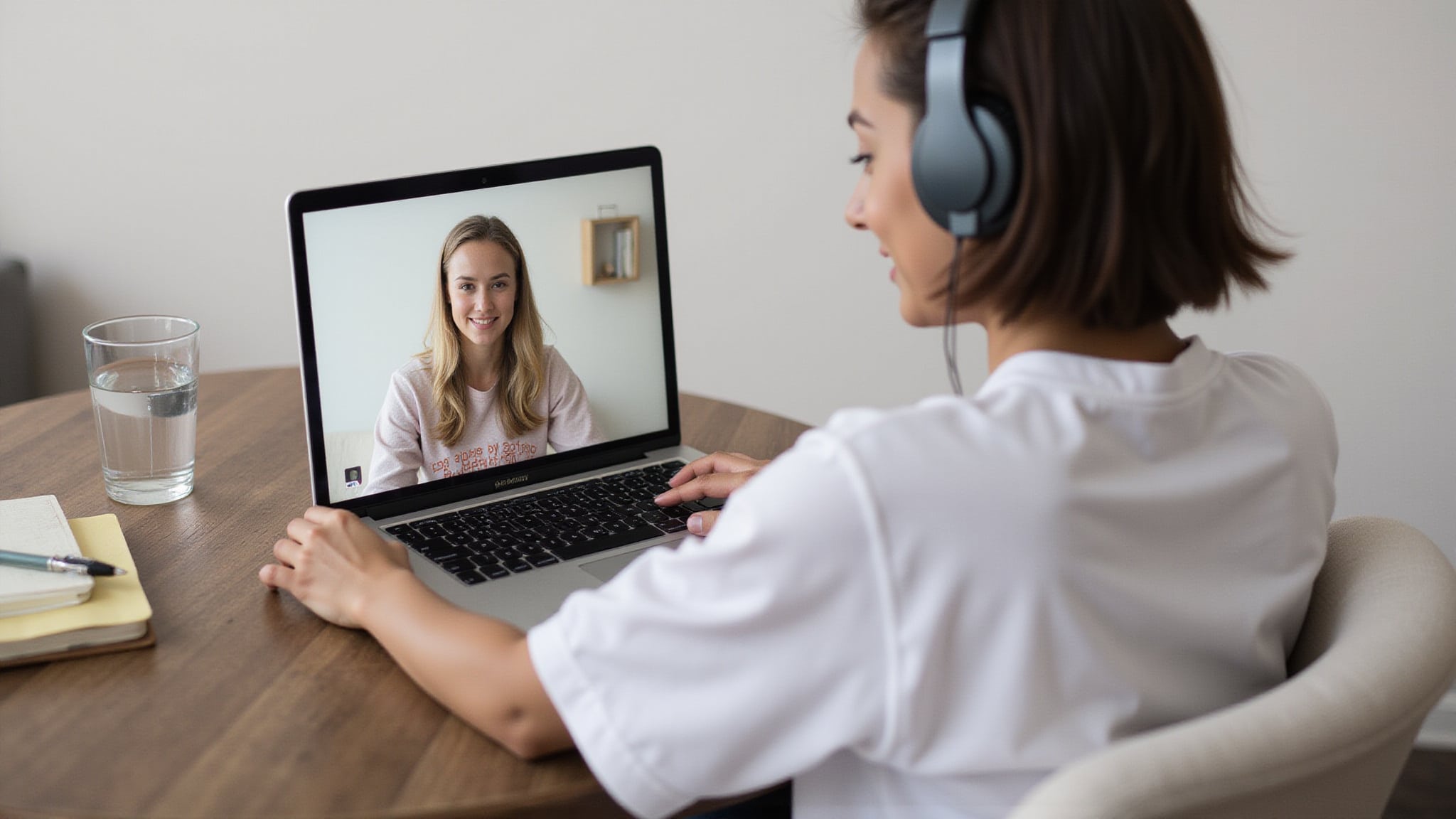
You can successfully treat opioid use disorder with Suboxone through telehealth services. Clinical studies confirm telehealth demonstrates efficacy comparable to in-person care, with no significant differences in treatment retention or opioid use rates. You’ll actually experience higher retention rates, reaching 60% at three months versus 50% for traditional settings. Telehealth removes transportation barriers, particularly benefiting rural and underserved populations. Safety monitoring remains effective through remote platforms when providers receive specialized training. The evidence supporting telehealth’s effectiveness continues to expand as implementation strategies evolve across diverse treatment settings. A suboxone plan for opioid recovery can further enhance treatment accessibility. Innovative approaches allow patients to engage in therapy without the stigma often associated with in-person visits.
Effectiveness and Clinical Efficacy of Telehealth Suboxone Treatment

Whether delivered via video or audio-only modalities, telehealth-based buprenorphine treatment demonstrates clinical efficacy comparable to traditional in-person care. Research shows no significant differences in treatment retention, opioid use rates, or positive toxicology results between telehealth and face-to-face settings. A VA study confirms telehealth is “likely as effective” as in-person care for opioid use disorder management.
Both initiation and ongoing medication management succeed through remote platforms, with stable population-based buprenorphine usage rates regardless of delivery method. However, providers should recognize that telehealth requires specialized training to address medication diversion concerns effectively. Provider training needs remain essential for ensuring proper patient assessment, secure prescribing protocols, and maintaining treatment integrity in remote settings. The SAMHSA waived requirements for initial in-person visits for buprenorphine, expanding access to treatment while maintaining clinical standards. Studies from rural treatment centers demonstrate that telemedicine partnerships can sustain continuous operation while achieving significant reductions in opioid use during treatment.
Telehealth reduces the burden of travel-related treatment disruptions for patients who cannot attend in-person appointments regularly.
Retention and Engagement Outcomes in Remote Settings
When you initiate Suboxone treatment via telehealth, you’re leveraging a model that consistently demonstrates higher retention rates, with some studies showing 90-day retention exceeding 60% compared to historical in-person rates around 50%. You’ll find that telehealth patients are twice as likely to maintain continuous care and secure follow-up prescriptions, driven by convenience, reduced stigma, and improved privacy that remote settings provide. Telehealth services are particularly beneficial for Medicaid enrollees facing transportation and social stability barriers that would otherwise prevent consistent treatment engagement. These expanded remote prescribing policies create opportunities to expand access beyond traditional brick-and-mortar treatment facilities. Research indicates that telehealth does not increase overdose risk, providing reassurance about the safety of remote treatment delivery. However, you must recognize that sustained long-term engagement depends on addressing digital inequity and tailoring hybrid models that accommodate varying technology access across your patient population.
Comparative Retention Rate Analysis
Telehealth consistently demonstrates superior retention outcomes compared to in-person Suboxone treatment across multiple time points and geographic regions. At three months, you’ll see telehealth retention reach 60% versus 50% for in-person settings. By six months, telehealth discontinuation rates drop to 3.8% compared to 9.7% for in-person groups. State-level data from Kentucky and Ohio shows telehealth maintaining advantages at 90 days, with retention rates of 48% and 32% respectively. These improvements reflect how telehealth reduces practical barriers like travel and time constraints. Rural patients particularly benefit from mobile treatment units bringing care approximately 6-7 miles closer to their communities. Provider support and continuity of care significantly influence these retention advantages by strengthening patient-provider relationships in virtual settings. Integrating team-based multidisciplinary approaches into telehealth models enhances clinical outcomes by coordinating care across providers and addressing complex client needs. Optimizing clinical workflow optimization and provider reimbursement structures can further strengthen these outcomes. The evidence suggests telehealth’s accessibility features directly translate to better patient engagement and sustained medication adherence throughout treatment.
Telehealth Engagement and Dropout Prevention
While retention rates reveal telehealth’s superiority over in-person Suboxone treatment, understanding how providers actively engage patients and prevent dropout requires examining the specific mechanisms that drive these outcomes. Your patient onboarding workflows benefit from structured telehealth protocols that establish clear expectations and technological competency from the start. Proactive outreach through text messaging and nurse-managed follow-ups maintains engagement between appointments, directly addressing discontinuation risks. Care coordination integration guarantees you’re delivering wrap-around resources, case management, behavioral health support, and social services, simultaneously within virtual platforms. You’ll identify vulnerable patients through digital assessment tools, addressing technology gaps before they precipitate dropout. Dedicated support specialists mitigate technical barriers that derail participation. Integrating telehealth services within community-based harm reduction settings enhances accessibility and creates a welcoming service environment that fosters trust and respect. Hybrid models combining in-person and flexible telehealth visits have emerged as the optimal approach for sustaining long-term engagement across diverse patient populations. Research demonstrates that OTPs with decades of experience as specialty providers have successfully implemented these engagement strategies across their 2,000+ treatment locations. These layered engagement strategies transform telehealth from merely convenient access into an all-encompassing retention intervention, substantially reducing patient attrition across diverse populations.
Long-Term Treatment Continuation Success
Because sustained medication adherence determines treatment efficacy in opioid use disorder, understanding how remote delivery models maintain patient engagement over extended periods becomes clinically essential. You’ll find that telehealth achieves 48.3% one-year engagement rates, substantially outperforming traditional in-person models.
Patient engagement strategies, including regular virtual check-ins, structured follow-up protocols, and tailored digital interventions, directly predict sustained success. Remote monitoring considerations require addressing adherence challenges; only one in eight Medicare telehealth patients maintain ideal medication schedules. Personalized medicine approaches through genetic testing can further optimize individual treatment protocols and enhance long-term engagement outcomes.
Hybrid models combining virtual and periodic in-person appointments elevate 90-day retention to 68%, demonstrating that integrated approaches optimize long-term treatment continuation.
| Timeframe | Telehealth Retention | In-Person Retention | Key Differentiator |
|---|---|---|---|
| 90 Days | 48-56% | 28-44% | Digital support infrastructure |
| 180 Days | 56.4% | Lower rates | Consistent monitoring |
| 1 Year | 48.3% | Unstated | Hybrid appointment models |
Safety Profile and Adverse Event Monitoring
Multiple clinical studies demonstrate that remote Suboxone treatment doesn’t compromise safety; in fact, it’s associated with a 33% lower overdose risk compared to in-person care, with no increase in nonfatal overdose events. Your telehealth provider implements robust monitoring through weekly check-ins, video-observed dosing, and at-home drug testing protocols. State PDMP tracking and digital assessment tools enable rapid intervention when concerns arise. During virtual follow-ups, clinicians adjust your medication based on side effect reporting and documented adverse reactions. Privacy protections guarantee confidential safety reviews on secure platforms, while virtual patient engagement enhances your consistent participation in monitoring. Patients receiving buprenorphine treatment experience lower risk of death, less illicit opioid use, and improved daily functioning. Research from Kentucky and Ohio shows that telehealth initiation improved treatment retention, with nearly half of patients in Kentucky remaining in continuous treatment for 90 days. Regular telehealth appointments also allow providers to assess both medication management and psychological/behavioral aspects of addiction recovery to ensure comprehensive care. This integrated approach, combining telehealth oversight with specialized clinical training, delivers safety standards that meet or exceed traditional in-person treatment.
Optimal Dosing Strategies for Telehealth Patients

You’ll find that ideal buprenorphine dosing in telehealth settings directly influences both your treatment retention and overdose risk reduction, with evidence supporting 16 mg daily as a threshold dose that retains more patients than lower regimens. Your adherence to prescribed dosing improves when you receive regular virtual monitoring and dose adjustments tailored to your withdrawal symptoms and cravings rather than fixed, one-size-fits-all approaches. Establishing the right dose early, through incremental titration during induction and frequent provider check-ins, maximizes your medication’s protective effects while minimizing misuse potential in remote care environments.
Dosage Thresholds and Survival
Ideal dosing strategies in telehealth-based Suboxone treatment directly correlate with patient survival outcomes and treatment retention. Research demonstrates that buprenorphine doses reaching 16, 24 mg daily profoundly reduce opioid-related mortality and emergency department visits compared to lower dosages. You’ll achieve better clinical outcomes when dosage adjustments are individualized rather than rigid, allowing titration to your specific needs and opioid tolerance. Patients receiving maintenance doses above 16 mg show substantially lower nonfatal overdose rates. If you’re on fentanyl or have severe dependence, you may require up to 32 mg daily for supreme stability. Your provider uses validated symptom scales during telehealth assessments to guide dosage adjustments carefully. Inadequate dosing increases relapse risk and associated mortality; reaching your effective dose through systematic titration remains critical for survival benefits.
Medication Adherence Benefits
When you’re engaged in telehealth-based Suboxone treatment, medication adherence directly translates to improved clinical outcomes and sustained recovery. Telehealth platforms facilitate regular virtual consultations enabling providers to adjust your dosing based on patient reported outcomes and real-time response monitoring. This collaborative care coordination model streamlines dose management without travel delays, reducing over- or under-medication risks. The benefits of suboxone therapy extend beyond just medication adherence. Patients often experience reduced cravings and withdrawal symptoms, leading to a more manageable recovery process.
Remote drug testing protocols and video-observed dosing support consistent adherence tracking. You’ll benefit from flexible scheduling that maintains regular dosing routines, particularly essential for employed or mobility-limited populations. Research demonstrates telehealth retention rates reach 60% at three months compared to 50% for clinic-based patients, with discontinuation dropping to 3.8% over six months. These metrics underscore how telehealth’s accessibility directly strengthens medication adherence and treatment sustainability.
Technology Infrastructure and Digital Health Tools
Successfully delivering Suboxone treatment through telehealth requires an extensive digital ecosystem that integrates robust IT infrastructure, reliable telecommunications equipment, and user-centered platforms. You’ll benefit from cloud-based systems that guarantee secure data storage and scalable infrastructure design, enabling your clinical operations to expand without compromising security or performance. Your telehealth setup includes HIPAA-compliant video conferencing, electronic health records integration, and e-prescribing modules that streamline workflows while protecting patient privacy. You access validated assessment tools embedded within digital platforms to guide clinical documentation for opioid use disorder evaluation. Technical support systems address your connectivity issues promptly, while digital literacy assessments identify gaps in your technical proficiency. These coordinated technological components collectively minimize downtime, enhance provider efficiency, and support consistent, secure delivery of controlled substance treatment.
Addressing Digital Inequities and Access Barriers

Despite telehealth’s promise to democratize Suboxone treatment access, significant digital and socioeconomic barriers prevent equitable delivery across populations. You’ll encounter digital literacy challenges that disproportionately affect older adults and underserved communities, requiring technology training support to maximize engagement.
| Barrier Category | Impact | Solution |
|---|---|---|
| Digital Literacy | Reduced telehealth platform navigation | Digital health navigators and tailored skills assessments |
| Broadband Access | Interrupted service in rural/low-income areas | Infrastructure investments and device subsidies |
| Pharmacy Integration | 32% experience gaps in medication access | Regulatory alignment and system interoperability |
Low-income patients face interrupted phone and internet service, while unstably housed individuals struggle with device access. Black patients remain 77% less likely to receive buprenorphine prescriptions despite telehealth expansion. You must prioritize culturally responsive care models and implement extensive digital divide policies to achieve treatment equity across all populations.
Regulatory Changes and Policy Evolution
As federal and state regulatory frameworks continue to evolve, you’ll need to stay informed about the shifting landscape governing Suboxone telehealth delivery. The DEA’s finalization of permanent telemedicine flexibilities as of January 2025 represents a significant policy shift, yet regulatory landscape challenges persist due to inconsistent state-level requirements. You’ll encounter varying licensure standards, practice protocols, and reimbursement policies across jurisdictions, complicating interstate service delivery. How much suboxone treatment costs can vary significantly based on location and healthcare provider.
The TREATS Act’s amendments to the Controlled Substances Act provide regulatory clarity and cost saving implications by enabling remote prescribing without mandatory in-person visits. However, you must navigate multiple compliance requirements, including special DEA registration and state-specific protocols. Expect ongoing updates through 2026 as federal agencies monitor clinical outcomes and gather regulatory feedback, requiring your continued adaptation to emerging guidelines.
Real-World Implementation in Rural and Underserved Communities
Telehealth’s capacity to bridge the treatment gap in rural and underserved areas hinges on demonstrable clinical outcomes and operational feasibility. You’ll find that 58-60% retention rates at three months match office-based programs, while six-month retention consistently exceeds 50%. Over 56% of rural counties lack buprenorphine prescribers; telehealth directly addresses this shortage through remote consultations. However, you must consider implementation barriers. Limited broadband infrastructure requires telephone-based alternatives and asynchronous communication strategies. Community navigators and liaisons prove essential for tech literacy training and infrastructure support, ensuring patients can access platforms despite connectivity challenges. Without addressing linguistic fluency requirements for diverse populations and establishing robust community partnerships, you’ll struggle to maximize uptake. Strategic investment in broadband expansion remains critical for scaling these services effectively.
Recovery Should Fit Into Your Real Life
Getting to appointments can feel like one more barrier when you are already stretched thin. Telehealth takes that hurdle away. The Hope Institute brings telehealth Suboxone treatment in New Jersey to people across New Jersey. Call (855) 659-2310 or contact us to begin.
Frequently Asked Questions
How Do I Know if Telehealth Suboxone Treatment Is Right for My Specific Situation?
You’ll benefit from telehealth Suboxone if you’ve got reliable internet access, digital literacy, and a private treatment space. Assess your opioid use severity, psychiatric stability, and housing security, telehealth works best for moderate-to-severe disorder without complex medical complications. Consider telehealth accessibility in your area and whether your insurance covers virtual addiction treatment. Verify patient confidentiality protections with providers. If you’re experiencing acute withdrawal or overdose risk, you’ll need in-person evaluation instead.
What Should I Do if I Experience Withdrawal Symptoms Between Telehealth Appointments?
If you’re experiencing withdrawal symptoms between telehealth appointments, you should immediately contact your provider or clinic’s hotline. Document your symptoms’ timing and intensity to share during communication. While you can take over-the-counter medications for minor aches, you must speak with a healthcare provider before self-treating. They’ll likely adjust your dosing schedule or advance your next appointment. Maintain hydration, consistent medication adherence, and avoid triggers. Seek emergency care if symptoms become severe or unmanageable.
Can I Switch From In-Person to Telehealth Suboxone Treatment Mid-Way Through My Program?
Yes, you can switch from in-person to telehealth Suboxone treatment mid-program if you’re clinically stable. Your provider will assess your digital literacy, housing stability, and technology access before approving the changeover. You’ll need to verify insurance coverage supports telehealth services and confirm provider availability in your region. Most states now permit this switch following initial in-person evaluation, though regulations vary. Your clinical team will establish remote monitoring protocols to guarantee continuity of care.
How Are Prescription Refills Handled if I Miss a Scheduled Telehealth Appointment?
When you miss a scheduled telehealth appointment, you’ll face delays in your prescription renewal procedures. Most clinics won’t issue Suboxone refills without a completed virtual visit due to DEA regulations requiring documented provider evaluation. Your clinic’s missed appointment policies typically involve prompt outreach to reschedule. While some providers offer limited emergency refills, they’re not guaranteed. You should contact your clinic immediately to avoid treatment gaps and prevent potential relapse risks.
What Happens to My Treatment if I Lose Internet Access During Telehealth Care?
If you lose internet access, your clinic will implement contingency protocols to maintain your treatment continuity. They’ll likely switch you to phone-only consultations, reschedule appointments, or arrange expedited in-person visits. Your provider will document the technical disruption and may temporarily extend your prescription to prevent medication gaps. While remote monitoring capabilities are temporarily suspended, your clinic’s backup processes guarantee you don’t experience treatment interruption. Data security remains protected throughout alternative communication methods.