When meth is smoked, you’ll notice a sweet yet sharply chemical odor. It’s often compared to burnt plastic, burning rubber, or nail polish remover. At first, the scent may seem faint, but it grows more bitter and acrid as inhalation continues. Some people detect ammonia-like or solvent tones, similar to acetone or window cleaner. The smell can sting your nose. Understanding these details can help you recognize the warning signs and find support.
Key Takeaways
- Meth smells sweet yet chemical when smoked, with a faint initial scent that turns more bitter or acrid.
- The odor is often compared to burnt plastic, burning rubber, or synthetic fumes.
- Some describe ammonia-like or solvent notes resembling acetone or window cleaner.
- The smoke is typically harsher and more nose-stinging than other drugs, leaving a faint metallic tone.
- Occasional sulfuric or cat urine tones may appear, though these link more to manufacturing.
What Does Meth Smell Like When Smoking

Meth smells like a sweet but chemical odor when it’s being smoked, rather than the heavy fumes tied to meth production. At first, the smell might seem faint, then it turns more bitter or acrid as you keep inhaling. Many people compare it to burnt plastic, burning rubber, or synthetic fumes, sometimes with a sharp, metallic tone. You may also catch ammonia-like or solvent notes, similar to acetone or window cleaner. Occasionally, harsher comparisons like sulfur or cat urine come up, though those tend to link more with manufacturing. Overall, the odor stings your nose and lingers, but it’s often subtler than you’d expect, easy to miss unless you’re close or exposed for a while. The long-term effects of smoking meth on the lungs can be severe, leading to chronic respiratory issues and resulting in a permanent decline in lung function.
Why Does It Smell Like Chemicals
Meth smells like chemicals because it is made from harsh industrial chemicals, and its smoke carries the odor of those same compounds as they burn. When you heat the drug, residual solvents like acetone, ammonia, and paint thinner vaporize, releasing sharp, chemical fumes. That’s why you might notice notes resembling burnt plastic, nail polish remover, or cleaning products rather than a natural smell.
These chemical signs come directly from how meth is produced and what remains in the final substance. The sweet-but-acrid odor reflects synthetic materials breaking down under heat, sometimes with a metallic or ammonia-like edge.
Understanding this helps with detection, though relying on smell alone is difficult unless you’re close. If you recognize these signs in someone you care about, approach them with compassion, not judgment.
How Can You Tell It Apart From Other Drugs
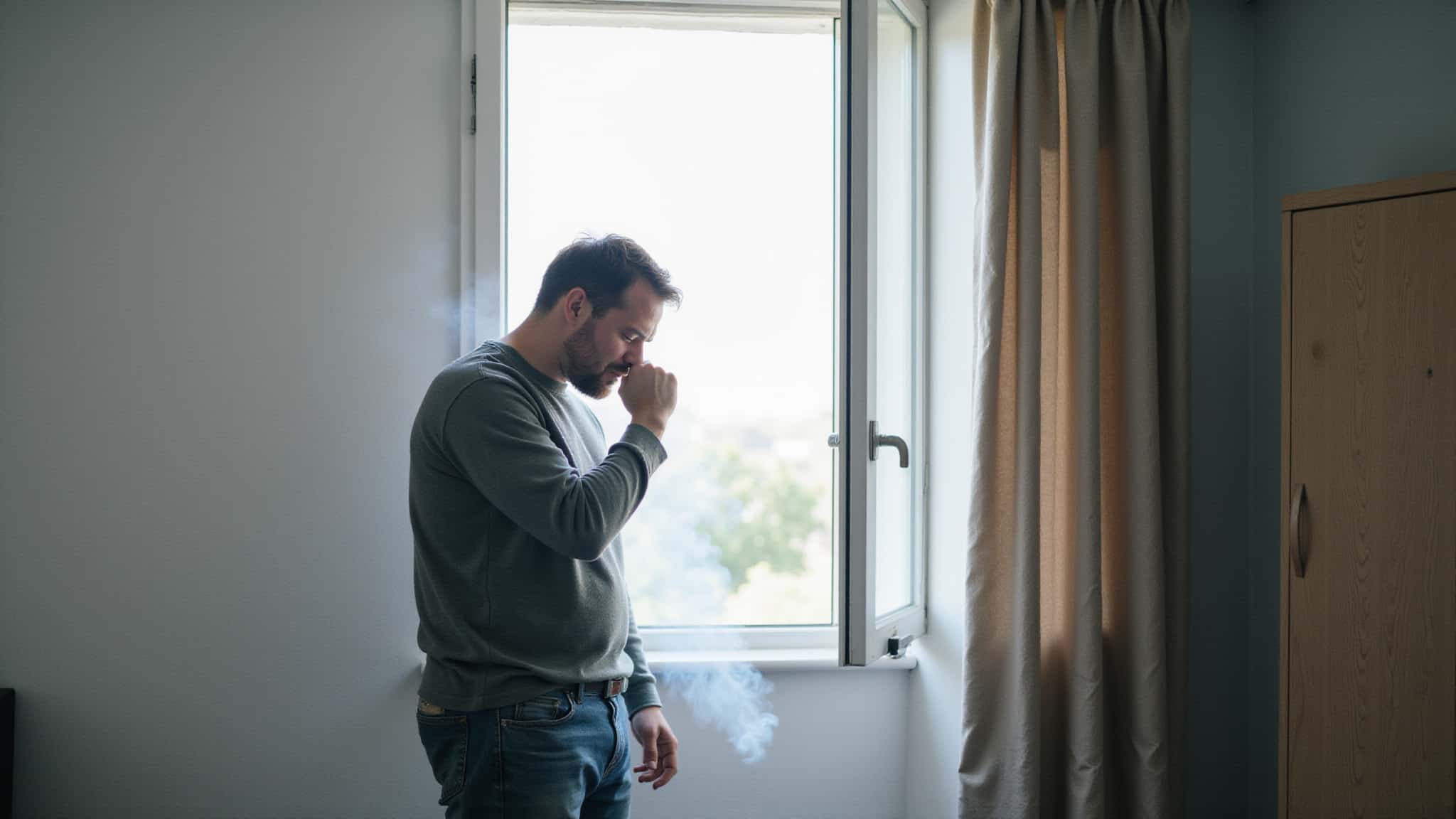
You can tell meth apart from other drugs by recognizing its distinct chemical signature. Unlike marijuana’s herbal, skunky smell or tobacco’s earthy burn, smoked meth carries a sweet yet chemical edge, often compared to burnt plastic or synthetic fumes. You’ll notice it’s harsher and more nose-stinging, with a faint metallic tone that lingers on surfaces.
| Drug | Typical Odor |
|---|---|
| Meth | Sweet, burnt plastic, chemical |
| Marijuana | Herbal, skunky, earthy |
| Tobacco | Earthy, smoky, dry |
| Crack | Burnt rubber, chemical |
| Heroin | Vinegar-like, acidic |
If you’re worried about someone you love, trust these subtle cues. The scent may be faint at first, but its acrid, chemical persistence sets meth apart when you’re paying close attention. Long-term meth use and personality changes can manifest in various ways, often leading to noticeable shifts in behavior. Understanding these signs can be crucial in identifying the need for help and support.
Does the Odor Linger on Breath, Clothes, and in Rooms
Yes, the odor lingers on breath, clothes, and in rooms. The sweet, chemical, plastic-like scent clings to clothing and fabrics, absorbing into carpets, upholstery, and walls. You might notice it lingering in the air for hours after the last hit, especially in enclosed spaces with poor ventilation. The smell can settle into furniture and hard surfaces, persisting long after someone’s finished smoking. On breath, the odor tends to be fainter and harder to detect than on fabrics, though close exposure may reveal a bitter, chemical trace. If you’re trying to identify recent use, you’ll often find the strongest clues embedded in clothing and room surfaces rather than on breath, since these hold the residue longest.
What Does a Meth Lab Smell Like
A meth lab’s smell differs from smoked meth in intensity and chemical profile. When you encounter a meth lab, you’ll notice a stronger, more overpowering odor than what smoked meth produces. Production releases harsh fumes tied to the chemicals used in manufacturing, so you’re more likely to smell ammonia, ether, or solvents like paint thinner and acetone.
You might also detect cat urine or rotten egg notes, which reflect sulfur-like byproducts of the process. These odors tend to be pungent and difficult to ignore, unlike the subtler, sweet-but-chemical scent of meth being smoked.
If you’re noticing these sharp, toxic-smelling fumes, it’s worth knowing they signal potential chemical exposure that can pose real health risks.
What Other Signs Suggest Someone Is Smoking Meth
Several behavioral and physical signs can indicate someone’s smoking meth. You might notice a sudden burst of energy, rapid speech, or restlessness that seems out of proportion to the situation. Physical changes often include dilated pupils, decreased appetite, and unusual weight loss over time. You may also observe skin sores or scratching, since meth use can trigger a sensation of crawling under the skin. How smoking meth affects the voice box can further reveal the extent of usage. Individuals may notice a raspy or hoarse quality to their voice, indicating potential damage to the vocal cords.
Watch for erratic sleep patterns, including staying awake for extended periods followed by prolonged crashes. Paranoia, irritability, and mood swings frequently appear. You might find drug paraphernalia, such as glass pipes or burnt foil, nearby.
If you recognize these signs, approach the person with compassion rather than judgment, and encourage professional support when they’re ready to accept help.
Conclusion
Smoked meth often gives off a sharp chemical odor, sometimes compared to cleaning products, ammonia, burnt plastic, or a faintly sweet chemical smell, though it can vary with how it is made. Recognizing that smell can be an important early clue that a loved one may be using. If you have noticed these signs, approaching the situation with concern rather than accusation opens the door to honest conversation. You do not have to face those worries alone. If you suspect meth use in someone you love, The Hope Institute in West Milford, NJ offers compassionate, family-centered support to help guide them toward recovery.
How to Find Help for a Loved One
Meth takes a serious toll on your body, but professional care can help you heal both physically and mentally. At The Hope Institute in Newfoundland, NJ, our caring team offers compassionate outpatient Meth Addiction Treatment with warmth, patience, and a real belief in your recovery. Call +1 (855) 659-2310 today and let us walk with you toward brighter days.
Frequently Asked Questions
Can Smoke Detectors or Air Monitors Detect Meth Smoke in a Home?
Standard smoke detectors won’t reliably catch meth smoke, since they’re built to sense combustion particles and heat, not specific chemical vapors. You might trigger one if there’s enough visible smoke, but that’s inconsistent. Specialized air monitors can detect methamphetamine residue, though these aren’t typical household devices. If you’re worried about exposure in your home, professional meth-residue testing gives you far more accurate answers than any detector you’d install yourself.
How Long Does the Meth Smell Take to Fully Disappear?
You won’t find a fixed timeline, since it depends on ventilation, surfaces, and how often smoking occurred. The airborne smell can linger for hours, but it clings to clothes, carpets, upholstery, and walls, where it may persist for days or longer. If you air out rooms, wash fabrics, and clean hard surfaces, you’ll speed things up. Without that effort, the odor can absorb deeply and remain noticeable much longer.
Are There Health Risks From Inhaling Secondhand Meth Smoke?
Yes, you can face real health risks from inhaling secondhand meth smoke. When you’re exposed, you may absorb methamphetamine and toxic chemicals, which can raise your heart rate, blood pressure, and cause anxiety or irritation. Children and people with heart conditions are especially vulnerable. Prolonged exposure can leave residue on surfaces you touch. If you’re worried about exposure, please reach out to a healthcare provider for guidance and support.
Does the Meth Smell Vary by Purity or Added Cutting Agents?
Yes, the smell can vary based on purity and cutting agents. When you’re around higher-purity meth, you’ll often notice a sweeter, more chemical or plastic-like odor. Added cutting agents can introduce sharper notes, ammonia, acetone, or solvent-like smells resembling cleaning products. Harsher production chemicals may lend sulfur, rotten egg, or cat urine tones. So what you smell often reflects both the drug’s quality and whatever’s been mixed in.
Can Professional Cleaning Fully Remove Meth Odor From a House?
Professional cleaning can substantially reduce meth odor, but complete removal isn’t always guaranteed. Since smoke clings to clothes, furniture, carpets, walls, and upholstery, you’ll often need deep remediation targeting porous surfaces. The sweet, burnt, plastic-like chemical smell can absorb deeply, sometimes requiring you to replace heavily contaminated materials. If odor lingers after cleaning, that may signal residue remains. You’re wise to seek specialized decontamination services for thorough, health-focused results.