For most people, the answer is yes: virtual IOP can be as effective as in-person treatment. Research comparing online and in-person care has generally found similar outcomes for conditions like addiction, anxiety, and depression, and many people find that attending from home makes it easier to show up consistently. That said, virtual IOP is not the right fit for everyone, and the honest trade-offs are worth understanding before you choose. Below is a clear, balanced look at how virtual IOP compares to in-person treatment, who it works best for, and how to decide which one fits your situation.
Key Takeaways
- For many people, virtual IOP is as effective as in-person treatment, based on how the two compare in research.
- Attending from home can improve consistency, because it removes travel, scheduling, and childcare barriers.
- The main trade-offs are less built-in accountability, more room for distraction, and no on-site drug testing.
- Virtual IOP works best for people with a stable, private space and enough support at home.
- In-person may fit better if you need more structure, feel isolated, or want the container of a physical room.
Is Virtual IOP as Effective as In-Person Treatment?

The evidence points to comparable results for most people. Studies comparing virtual and in-person care have generally found similar outcomes across substance use, anxiety, and depression, and clinicians who work in both formats often say the difference in results is small. What tends to matter more than the format is whether you attend consistently and engage honestly. For many people, being able to join from home is exactly what makes that consistency possible, which is part of why virtual care has held up so well.
Why Does Virtual IOP Work for So Many People?
Virtual IOP removes the practical barriers that cause people to drop out. There is no commute, no time lost to traffic, and no scramble for childcare or a day off, so the session is far easier to keep. Many people also feel safer opening up from their own space, which can deepen the work rather than dilute it. When treatment fits into your life instead of interrupting it, you are more likely to finish the program, and finishing is what drives recovery. First day expectations in IOP can vary significantly from person to person. It is important to approach the initial session with an open mind and a willingness to engage.
What Are the Trade-Offs of Virtual IOP?

The honest downsides are about structure, not quality of care. A physical room brings built-in accountability and fewer distractions, and it makes on-site drug testing simple, which some people in early recovery genuinely benefit from. At home, it takes more self-discipline to stay present with the camera on and the outside world one click away. None of this makes virtual care less clinically sound, but it does mean the format asks a bit more of you, and it is worth being honest with yourself about whether you can meet that.
Who Is Virtual IOP Best For?
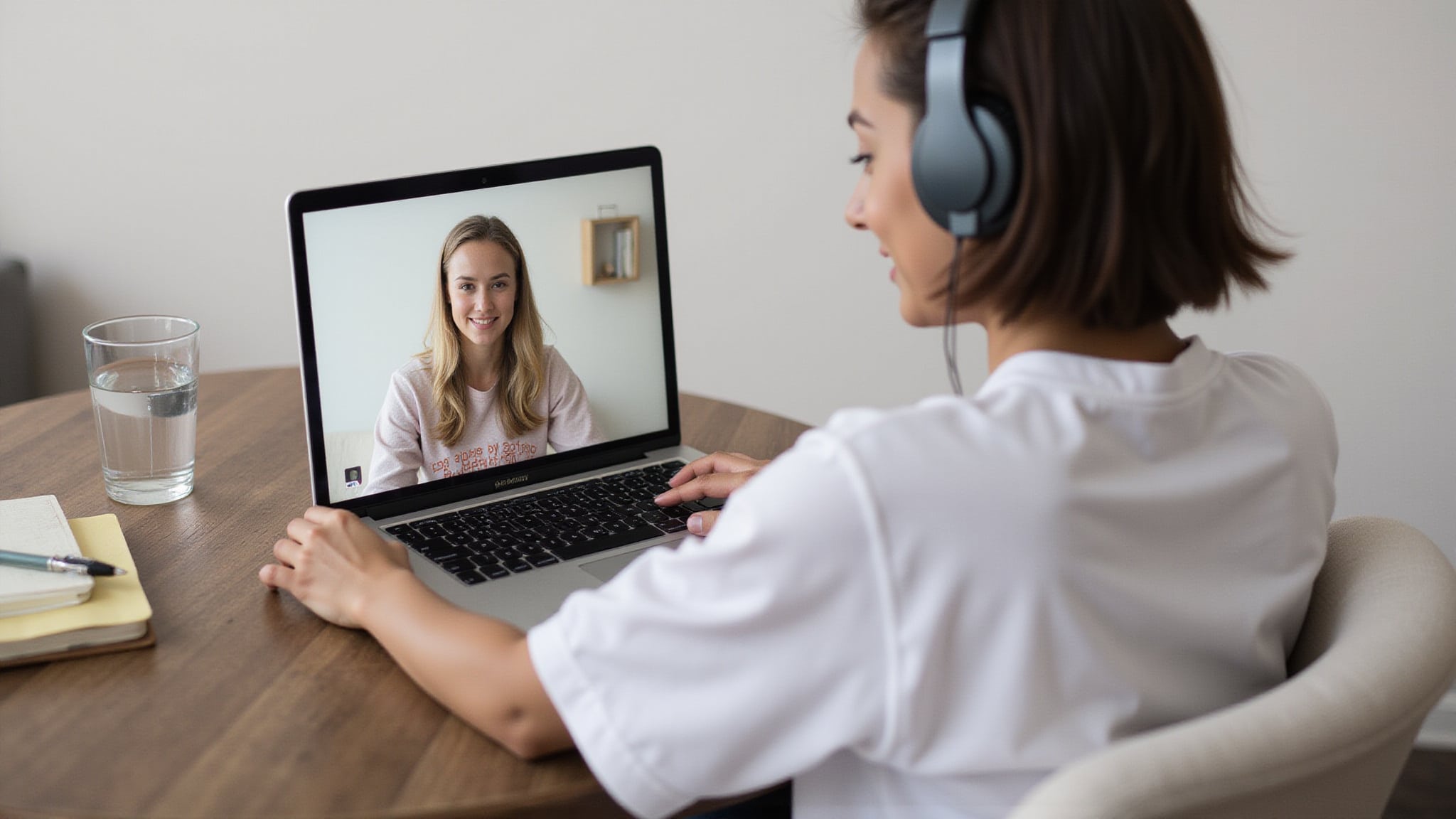
Virtual IOP fits people who have a stable, private place to attend and enough motivation to stay engaged. It is a strong option for working professionals, parents, students, and anyone facing transportation barriers, because it protects their schedule while still delivering real treatment. If you have a quiet room where you can speak freely, a reliable connection, and support at home, a virtual IOP can give you everything an in-person program does without the logistics.
Who Might Do Better With In-Person Treatment?
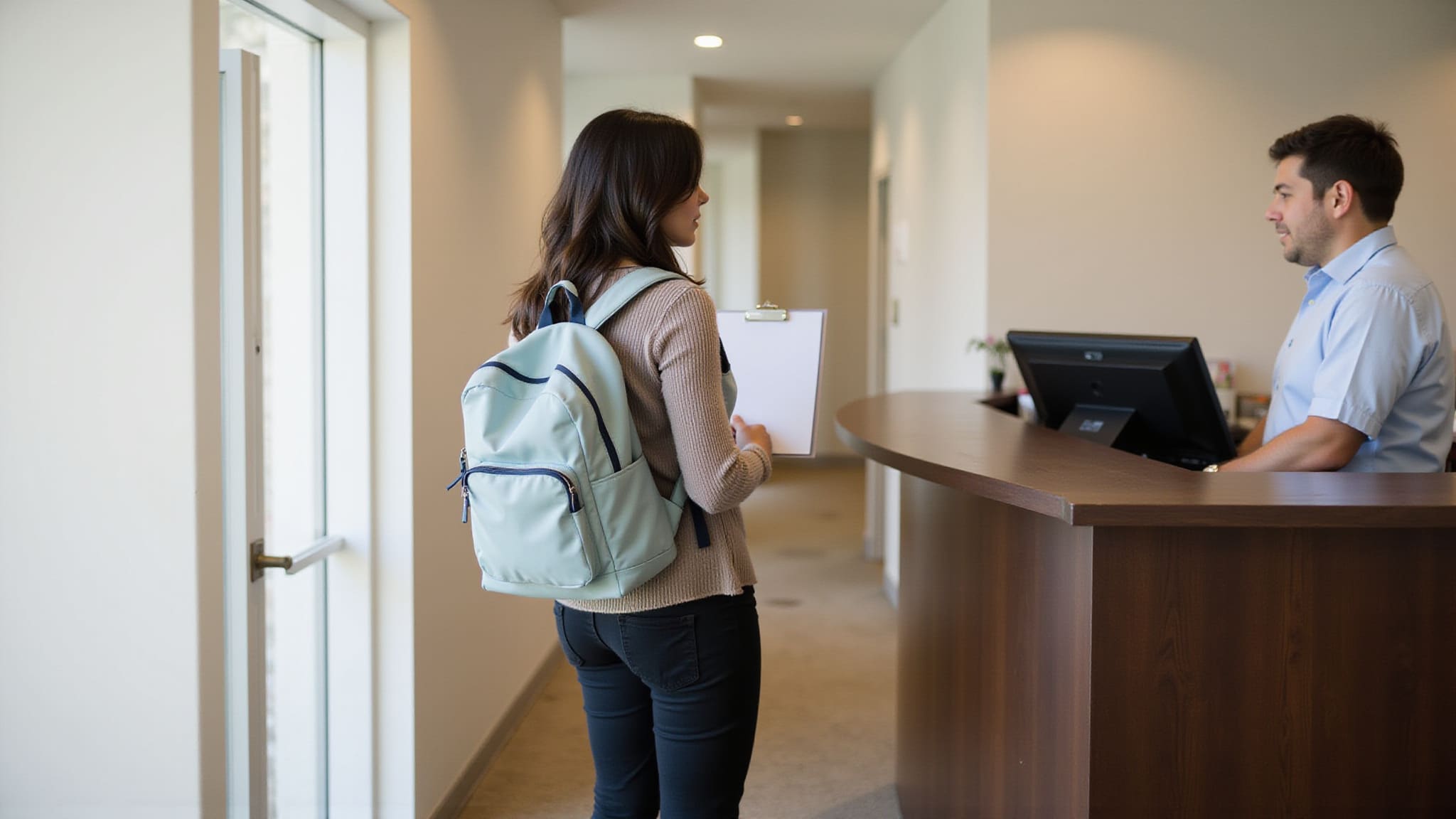
In-person treatment is often the better call when structure and connection are what you need most. If you feel isolated, live in an environment that is not private or supportive, or know you do more when you are physically in the room, the container of a clinic can be a real advantage. The same is true if you need medical monitoring or detox first. Choosing in-person in these cases is not a step backward, it is simply matching the format to what will actually help you succeed. Balancing job duties and recovery can be particularly challenging when you feel overwhelmed. It is crucial to create a schedule that allows time for both work obligations and personal well-being.
How Does a Virtual IOP Session Work?

A virtual IOP delivers the same clinical content as an in-person program, just over video. You join secure group sessions, meet individually with a therapist, and work through psychoeducation, coping skills, and relapse prevention from wherever you are. Sessions run on a private, HIPAA-compliant platform, and the structure and schedule mirror what you would get on site. The only real difference is the door you walk through to get there. The step by step admissions process for New Jersey can be completed entirely online, making it convenient for potential participants. From filling out the initial application to scheduling interviews, every aspect is designed to be user-friendly.
Virtual IOP vs In-Person IOP
| Factor | Virtual IOP | In-Person IOP |
|---|---|---|
| Clinical outcomes | Comparable for many people | Comparable for many people |
| Convenience | High, attend from home | Requires travel and scheduling |
| Accountability | More self-driven | Built into the room |
| Distractions | Depends on your space | Fewer, clinic setting |
| On-site drug testing | Arranged separately if needed | Available on site |
| Best for | Stable home, busy schedules | Those needing more structure |
The Bottom Line: The Best Program Is the One You Will Attend
Virtual and in-person IOP are closer in effectiveness than most people assume, so the real question is which one you will actually stick with. If attending from home is what keeps you showing up, that consistency matters far more than the format. If you know you need the structure of a room, choose that. Either way, the goal is the same, and the right choice is the one that gets you into treatment and keeps you there.
Start a Virtual or In-Person IOP in New Jersey
The best way to choose is to talk it through with a team that offers both. The Hope Institute provides a virtual IOP in New Jersey as well as an in-person intensive outpatient program, so you can match the format to your life. Call +1 (855) 659-2310 to talk through your options, or contact our admissions team to find the fit that will keep you moving forward.
Frequently Asked Questions
Is virtual IOP as effective as in-person treatment?
For many people, yes. Research comparing virtual and in-person care has generally found similar outcomes for addiction, anxiety, and depression. What matters most is attending consistently and engaging honestly, and for many people, attending from home makes that easier.
Does virtual IOP actually work, and is it worth it?
It does work for many people, and plenty who have done it say the flexibility made it more sustainable, not less serious. As with any program, the results come from showing up and doing the work, which a home setting can make easier to keep up.
What are the downsides of virtual IOP compared to in-person?
The main trade-offs are less built-in accountability, more potential for distraction at home, and no on-site drug testing. These relate to structure rather than the quality of care, so the format asks a little more self-discipline of you.
Who is virtual IOP best for?
It fits people with a stable, private space, a reliable connection, and enough motivation to stay engaged. Working professionals, parents, students, and anyone with transportation barriers often benefit most, because it protects their schedule while still delivering full treatment.
Who might do better with in-person treatment?
People who feel isolated, do not have a private or supportive home environment, or know they engage more in a physical room often do better in person. The same is true for anyone who needs medical monitoring or detox first.
How does a virtual IOP session work?
You join group and individual sessions over a secure, HIPAA-compliant video platform. The clinical content, structure, and schedule mirror an in-person program, including psychoeducation, coping skills, and relapse prevention. The main difference is simply where you attend from.
Why do some therapists prefer in-person over virtual?
Some prefer in-person for the added accountability, fewer distractions, and easier on-site drug testing, especially in early recovery. Those are real advantages of a physical setting, though they do not mean virtual care is less effective for people it suits.
Can you do drug testing and stay accountable in a virtual IOP?
Yes. Accountability comes from attendance, camera-on participation, and regular check-ins, and drug testing can be arranged separately when it is part of your plan. A good virtual program builds in structure so accountability does not depend on being in a room.