Telehealth addiction treatment uses secure video and phone sessions to deliver the same care people receive in a clinic: assessments, individual and group therapy, virtual intensive outpatient programs, medication management and aftercare. A 2023 study of 1,410 adults found that patients in virtual intensive outpatient treatment missed fewer sessions and completed treatment more often than patients attending in person. Below is how each part of telehealth for substance use disorder works, who it fits and how to get started.
Key Takeaways
- Telehealth is used for screening, therapy, intensive outpatient programs, medication for addiction and relapse prevention.
- Live video is the main format for addiction therapy, with phone sessions used for check-ins and some counseling.
- In a large 2023 study, virtual IOP patients had a 21.7% no-show rate compared with 30.9% for in-person patients.
- DEA telemedicine flexibilities let qualified prescribers start some controlled medications, including buprenorphine, by telehealth through December 31, 2026.
- Telehealth works best for adults who can safely live at home and have a private space for sessions.
What Telehealth Addiction Treatment Means
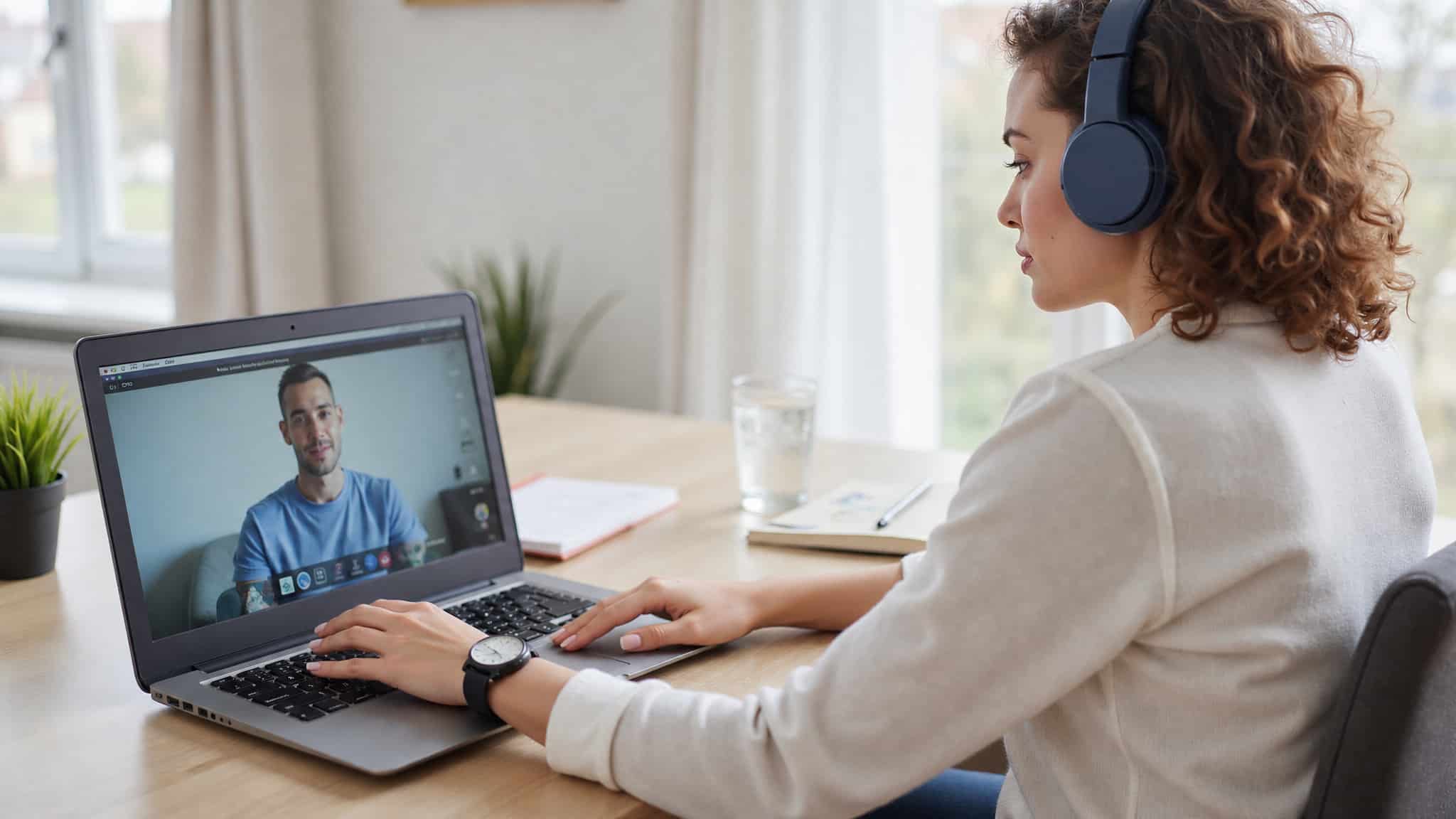
Telehealth addiction treatment, also called virtual addiction treatment or online addiction treatment, is any part of substance use disorder care delivered remotely by a licensed clinician. The clinical standards do not change. A virtual group still follows a treatment plan, uses evidence-based therapy and tracks progress the same way an in-person group does.
Healthcare uses four main types of telehealth, and addiction programs rely on two of them most:
| Type of telehealth | How it works | Use in addiction treatment |
|---|---|---|
| Live video (synchronous) | Real-time video between patient and clinician | Therapy, group sessions, IOP, assessments, medication visits |
| Audio-only | Real-time phone call | Check-ins, some counseling, medication follow-ups |
| Store-and-forward (asynchronous) | Records or messages sent and reviewed later | Sharing lab results and treatment records |
| Remote patient monitoring | Data collected at home and sent to the care team | Limited use, such as tracking sobriety goals or vitals |
How Telehealth Is Used at Each Stage of Addiction Treatment
Telehealth now covers almost every step of outpatient addiction care, from the first call to long-term recovery support.
Screening and Assessment
Most programs start with a video or phone assessment. A clinician asks about substance use history, physical and mental health, past treatment and your home setting. The goal is to match you to the right level of care, which may be standard outpatient counseling, an intensive outpatient program, partial care or medical detox.
Virtual Intensive Outpatient Programs
A virtual intensive outpatient program is the most form of telehealth addiction treatment. Adults attend about 9 or more hours of treatment a week, usually three to four sessions of about three hours, while living at home. Sessions combine group therapy, individual counseling and skills work, and many programs run day and evening tracks for people who work.
Individual and Group Therapy by Video
Telehealth counseling is talk therapy delivered by video or phone. Individual sessions focus on your own triggers, goals and treatment plan. Group sessions connect you with other adults in recovery, which builds the peer support that is a core part of addiction care. Clinicians use the same approaches online that they use in an office.
Medication for Opioid and Alcohol Use Disorder
Prescribers can evaluate patients and manage medication for addiction treatment by video. That includes buprenorphine and naltrexone for opioid use disorder, and naltrexone, acamprosate and disulfiram for alcohol use disorder. Lab work and some follow-up steps may still happen in person, depending on the medication and state rules.
Aftercare and Relapse Prevention
After an intensive program ends, telehealth makes it easier to stay connected. Weekly outpatient sessions, alumni groups and check-ins with a counselor help you keep using relapse prevention skills during the first year of recovery, when the risk of return to use is highest.
Evidence-Based Treatments Delivered Through Telehealth
The therapies with the strongest research support for substance use disorders all translate well to video:
- Cognitive behavioral therapy (CBT): identifies the thoughts and situations that lead to use and builds new coping skills.
- Motivational interviewing: helps you work through mixed feelings about change and set your own goals.
- Contingency management: uses tangible rewards for meeting treatment goals such as negative drug tests.
- Family therapy: involves partners or relatives so the people at home understand recovery and can support it.
- Medication for addiction treatment: combined with counseling, it reduces cravings and the risk of overdose.
Most people do best with a combination of behavioral therapy and, where appropriate, medication.
Does Telehealth Work for Substance Use Disorder?
Yes. A 2023 study of 1,410 adults compared virtual and in-person intensive outpatient treatment for substance use disorders and found that virtual patients attended more reliably and finished more often.
| Outcome | Virtual IOP | In-person IOP |
|---|---|---|
| No-show rate | 21.7% | 30.9% |
| Completed treatment with staff approval | 61% | 52.6% |
Attendance matters because recovery skills build session by session. Removing the commute removes one of the most common reasons people miss treatment, especially for adults balancing jobs, children and long drives.
Can a Telehealth Doctor Prescribe Controlled Substances for Addiction?
Yes, in many cases. The federal government extended its telemedicine flexibilities for controlled substances through December 31, 2026. Under these rules, a DEA-registered practitioner can prescribe controlled medications, including buprenorphine for opioid use disorder, by telehealth without first seeing the patient in person.
Methadone for opioid use disorder is still dispensed through federally certified opioid treatment programs. Non-controlled medications for alcohol use disorder, such as naltrexone and acamprosate, can be prescribed by telehealth under normal state rules.
Who Telehealth Addiction Treatment Fits Best
Telehealth for substance use disorder is a strong fit for adults who:
- Need treatment but can safely live at home
- Work full time and need evening sessions
- Care for children or relatives and cannot be away for hours
- Live far from a treatment center or rely on public transit
- Are stepping down from detox, residential care or partial care
- Value privacy and prefer not to be seen at a clinic
Adults who need medical detox or around-the-clock support start with a higher level of care, then move to telehealth treatment once they are stable.
Is Telehealth Addiction Treatment Covered by Insurance?

Most commercial health plans cover outpatient addiction treatment, and many cover telehealth on the same terms as in-person care. Federal parity law requires plans that offer substance use benefits to cover them on terms comparable to medical care, and many states, including New Jersey and New York, have telehealth coverage or payment parity laws. Medicaid programs in most states also cover telehealth for substance use disorders. Your copay, deductible and any pre-authorization depend on your plan, so verify benefits before your first session.
Telehealth Addiction Treatment in New Jersey and New York
Both states protect telehealth coverage for addiction care. New Jersey law requires state-regulated health plans to cover telehealth on the same basis as in-person care, and adults across the state can join a virtual IOP in New Jersey from home. New York requires commercial insurers to pay for covered telehealth at the same level as comparable in-person services, which supports virtual IOP in New York for adults from the Hudson Valley to Long Island.
How to Prepare for Your First Telehealth Session
- Choose a private room where others cannot hear your conversation.
- Use headphones if you share your home.
- Test your device, camera, microphone and internet connection the day before.
- Keep your phone charged as a backup if video drops.
- Have your medication list and insurance card ready for intake.
Conclusion
Telehealth is now a standard way to deliver addiction treatment, not a stopgap. It supports every stage of care, from assessment to medication management to aftercare, and research shows virtual intensive outpatient patients attend and complete treatment at rates that match or beat in-person care. For adults who can safely recover at home, it removes the travel, scheduling and privacy barriers that keep many people from starting treatment.
Start Telehealth Addiction Treatment at The Hope Institute
The Hope Institute offers telehealth addiction treatment through our virtual intensive outpatient program for adults in New Jersey and New York, with day and evening sessions led by licensed clinicians. Call +1 (855) 659-2310 to verify your insurance and start virtual IOP.
Frequently Asked Questions
How Does Telehealth Work for Therapy?
Telehealth therapy connects you with a licensed clinician by secure video or phone. You join from a private space using a computer, tablet or smartphone, and the session follows the same format, confidentiality rules and treatment plan as an in-person visit.
What Is Telehealth Mainly Used For?
Telehealth is mainly used for consultations, follow-up visits, mental health and addiction therapy, medication management and chronic condition monitoring. It works best for care that relies on conversation and assessment rather than a physical exam.
Can a Telehealth Doctor Prescribe a Controlled Substance?
Yes. Under federal telemedicine flexibilities extended through December 31, 2026, DEA-registered practitioners can prescribe many controlled substances by telehealth without a prior in-person visit, as long as state law and the standard of care allow it.
What Are the Four Types of Telehealth?
The four types are live video, audio-only phone calls, store-and-forward sharing of records or images, and remote patient monitoring. Live video is the main format used for addiction therapy and intensive outpatient programs.
What Are Some Evidence-Based Treatments for Substance Use Disorders?
Evidence-based treatments include cognitive behavioral therapy, motivational interviewing, contingency management, family therapy and FDA-approved medications such as buprenorphine, naltrexone and acamprosate. Most people do best with therapy combined with medication when it is appropriate.
What Is Telehealth Counseling?
Telehealth counseling is talk therapy delivered remotely by a licensed counselor, social worker or psychologist. It can be individual, group or family counseling and is used for substance use disorders, depression, anxiety and other conditions.