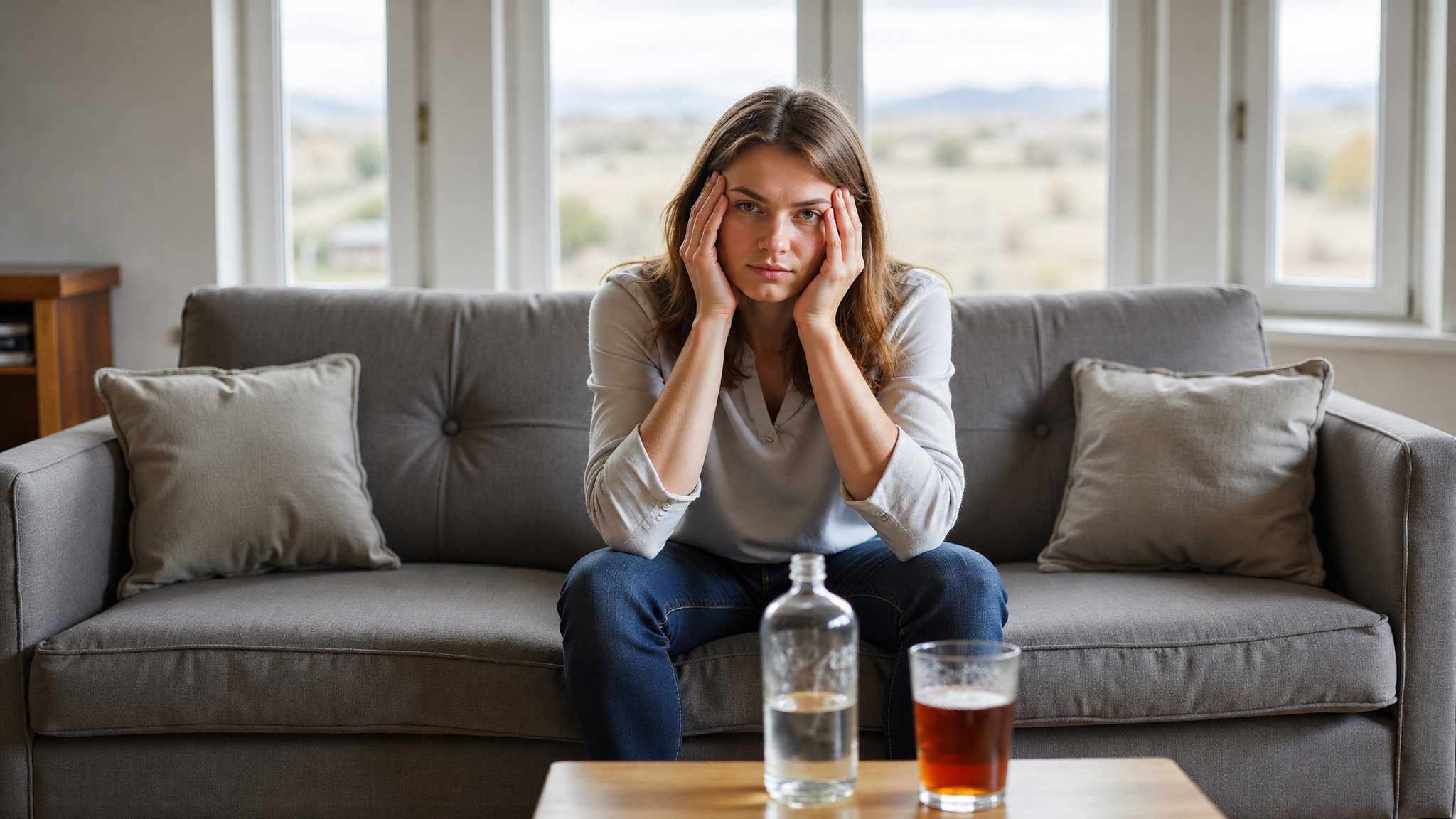
A fever after drinking alcohol is uncommon, because a normal hangover rarely raises your temperature to 100.4°F or higher. Alcohol triggers inflammation and dehydration, which can make you feel hot, sweaty, or chilled the next day. A true fever usually points to something else: an infection, alcohol withdrawal, or an alcohol-related problem with your liver or pancreas. Knowing the difference helps you decide when to rest it off and when to get medical care. Regular symptoms after drinking can also be an early sign that your body is struggling with how much you drink.
Key Takeaways
- A hangover can make you feel feverish, but it rarely causes a measured fever of 100.4°F or higher.
- Alcohol widens blood vessels near your skin, so you may feel warm while your core temperature is actually dropping.
- Real fever after drinking is more often linked to infection, alcohol withdrawal, alcoholic hepatitis, or pancreatitis.
- Fever with confusion, shaking, yellow skin, or severe stomach pain needs prompt medical care.
- Regular hangovers or symptoms when you cut back can be early signs of an alcohol use problem.
Can a Hangover Cause a Fever?
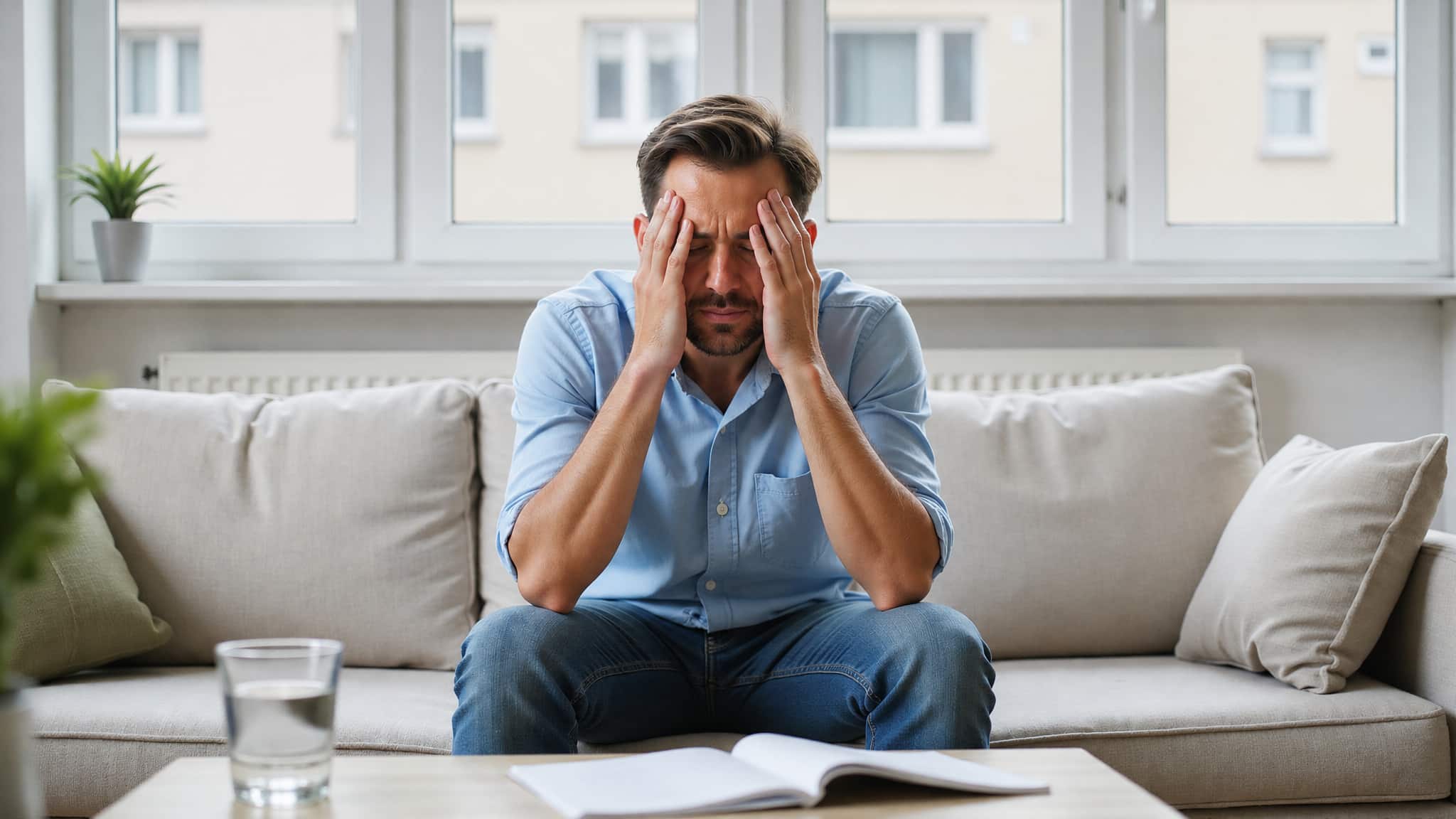
A hangover can make you feel feverish, but it rarely causes a true fever. As your body processes alcohol, it releases inflammatory chemicals called cytokines, the same ones your immune system uses when you are sick. That response can bring chills, sweating, aches, and a flushed, warm feeling, similar to coming down with the flu.
Dehydration adds to it. Alcohol makes you urinate more, and losing fluid makes it harder for your body to regulate temperature. Poor sleep and low blood sugar after a night of drinking pile on more fatigue and shakiness.
If you check your temperature and it reads 100.4°F (38°C) or higher, do not assume it is just a hangover. Something else is likely going on.
Why Do You Feel Hot After Drinking Alcohol?
Alcohol makes you feel hot because it widens the blood vessels near your skin. Warm blood rushes to the surface, so your face flushes and your skin feels warm. Meanwhile, your body is actually losing heat.
That is why heavy drinking in cold weather is dangerous. You feel warm while your core temperature drops. In cases of alcohol poisoning, body temperature can fall low enough to cause hypothermia, which is the opposite of a fever.
What Causes a Fever After Drinking Alcohol?
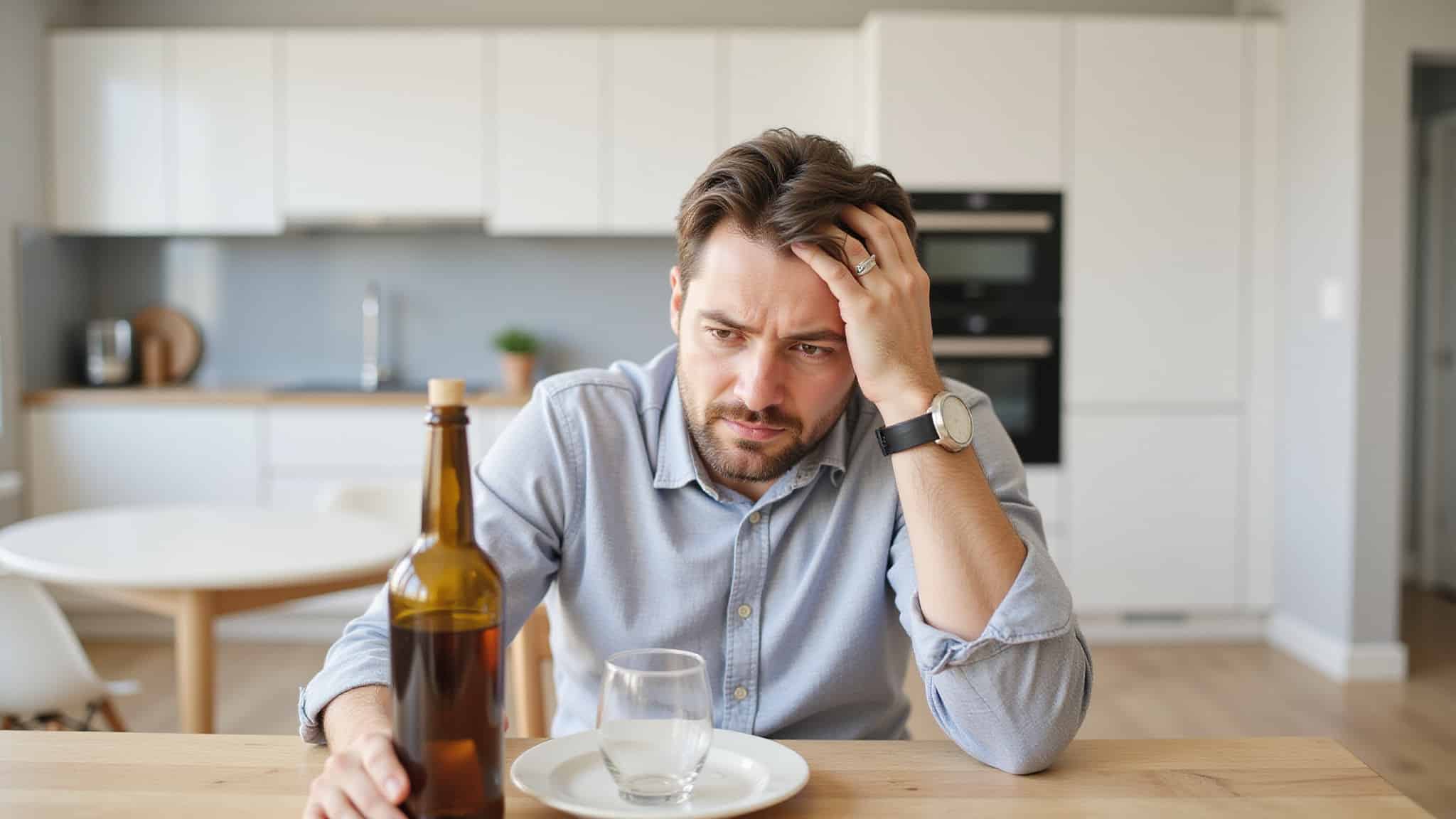
When a real fever shows up after drinking, these are the most common causes.
| Cause | Other Signs to Look For |
|---|---|
| Infection | Cough, sore throat, painful urination, or a fever that keeps climbing |
| Alcohol withdrawal | Shaking, sweating, racing heart, anxiety 6 to 48 hours after your last drink |
| Alcoholic hepatitis | Yellow skin or eyes, loss of appetite, tenderness under the right ribs |
| Acute pancreatitis | Severe upper stomach pain that spreads to the back, nausea, vomiting |
| Aspiration pneumonia | Cough, chest pain, or trouble breathing after vomiting while very drunk |
Infection
Heavy drinking weakens your immune system for about a day afterward, which makes it easier to catch a virus or bacterial infection. Long-term heavy drinking raises your risk of pneumonia and other serious infections even more. In some cases, the fever comes from an illness that had already started before you drank.
Alcohol Withdrawal
If you drink heavily most days and then stop or cut back, a raised temperature can be a sign of alcohol withdrawal. Fever is especially common in severe withdrawal and delirium tremens, which can also cause confusion, hallucinations, and seizures. This is a medical emergency, and it is the main reason alcohol withdrawal can become life-threatening.
Liver and Pancreas Problems
Years of heavy drinking can inflame the liver. Alcoholic hepatitis often causes a low-grade fever along with jaundice and stomach tenderness. Acute pancreatitis, frequently triggered by heavy drinking, causes intense upper abdominal pain and can come with fever.
Is It Alcohol Intolerance or a Fever?
Alcohol intolerance can feel like a fever, but it is a different reaction. If your body cannot break down alcohol efficiently, a toxic byproduct called acetaldehyde builds up. That causes facial flushing, warmth, a stuffy nose, nausea, and a fast heartbeat soon after you drink, sometimes after just a few sips.
Some people also react to ingredients in drinks, such as sulfites in wine or grains in beer, with hives or congestion. These reactions do not usually cause a true fever. If you flush or feel sick every time you drink, the safest choice is to avoid alcohol.
How Long Does a Fever After Drinking Last?
Hangover symptoms like feeling hot, chills, and sweating usually clear up within 24 hours. A fever that lasts longer than a day, or gets higher instead of better, is a sign of another cause such as an infection or an alcohol-related illness.
Fever during alcohol withdrawal follows a different timeline. It can appear within the first few days after stopping and needs medical monitoring rather than waiting it out.
What Should You Do If You Have a Fever After Drinking?

If your fever is mild and you feel otherwise stable, these steps help:
- Stop drinking and give your body time to recover
- Drink water or an electrolyte drink in small, frequent sips
- Rest and eat bland foods like toast, rice, or broth
- Check your temperature every few hours
Be careful with pain relievers. Mixing Tylenol and alcohol can strain your liver, so it is safer to avoid acetaminophen while alcohol is still in your system. Anti-inflammatory drugs like ibuprofen can irritate a stomach already upset by drinking.
When to Get Medical Help
Get medical care right away if your fever comes with any of these:
- A temperature of 103°F or higher, or a fever lasting more than two days
- Confusion, hallucinations, shaking, or a seizure
- Yellow skin or eyes
- Severe stomach or back pain
- Trouble breathing or chest pain
Can Frequent Symptoms After Drinking Signal a Bigger Problem?
Yes. Feeling sick, shaky, or feverish after drinking on a regular basis can be a sign that your body is struggling with how much you drink. Waking up with the shakes, sweating, or anxiety that eases once you have a drink is an early sign of physical dependence.
Other warning signs include drinking more than you planned, needing more to feel the same effect, and continuing to drink even though it causes health or family problems. Learning how to spot a drinking problem early can help you act before the health effects become serious.
Conclusion
A fever after drinking alcohol is rarely a simple hangover. Alcohol can make you feel hot, shaky, and sick, but a real temperature of 100.4°F or higher usually means an infection, withdrawal, or an alcohol-related illness is involved. Rest and fluids help with mild symptoms, while confusion, shaking, yellow skin, or severe pain need medical care right away. If symptoms after drinking keep coming back, it may be time to look honestly at your drinking and get support.
Get Alcohol Addiction Treatment in New Jersey
If drinking keeps leaving you sick, shaky, or worried about your health, help is close by. At The Hope Institute in West Milford, NJ, our team offers outpatient alcohol addiction treatment in New Jersey with medical support and therapy you can attend while living at home. Call +1 (855) 659-2310 today to talk with our admissions team.
Frequently Asked Questions
What Are 5 Signs of Alcohol Poisoning?
Five signs of alcohol poisoning are confusion, vomiting, seizures, slow or irregular breathing, and pale or bluish skin with a low body temperature. Someone who passes out and cannot be woken up is also in danger. Call 911 right away and do not leave the person alone.
How Do I Know If My Body Is Rejecting Alcohol?
Your body may be rejecting alcohol if you get red, warm skin, a stuffy nose, nausea, hives, or a racing heart soon after drinking. These are signs of alcohol intolerance or a reaction to an ingredient in the drink. If it happens every time you drink, avoid alcohol and talk to a doctor.
What Are the First Signs of Alcoholic Hepatitis?
The first signs of alcoholic hepatitis are often loss of appetite, nausea, tiredness, and tenderness in the upper right side of the stomach. Many people also have a low-grade fever. Yellowing of the skin or eyes is a key warning sign that needs medical attention.
How Can I Get Rid of Feeling Sick After Drinking Alcohol?
Feeling sick after drinking usually improves with water or electrolyte drinks, rest, and bland food. Avoid more alcohol, since drinking again only delays recovery. If vomiting will not stop, you cannot keep fluids down, or you develop a high fever, get medical care.
Is It Safe to Drink Alcohol When You Have a Fever?
It is not a good idea to drink alcohol when you have a fever. Alcohol dehydrates you, weakens your immune response, and can interact with cold and flu medicines. It can also make it harder to tell whether you are getting better or worse.