Yes. Online alcohol addiction treatment is available through licensed programs that deliver therapy, group support and medication by secure video. For most adults with alcohol use disorder who do not need medical detox, a virtual intensive outpatient program offers the same care as in-person treatment, with evening sessions that fit around work. In 2024, 28.0 million Americans had alcohol use disorder, yet only 7.6% received any treatment. Online care is one of the most practical ways to close that gap.
Key Takeaways
- Online alcohol treatment includes assessments, individual and group therapy, virtual IOP, medication and aftercare.
- The most successful approach combines behavioral therapy with FDA-approved medication when appropriate.
- Naltrexone and acamprosate can be prescribed through telehealth.
- Adults at risk of severe withdrawal start with medical detox, then move to online treatment.
- Families can help a loved one who refuses treatment using CRAFT, which led about two in three loved ones into care in clinical studies.
How Online Alcohol Addiction Treatment Works
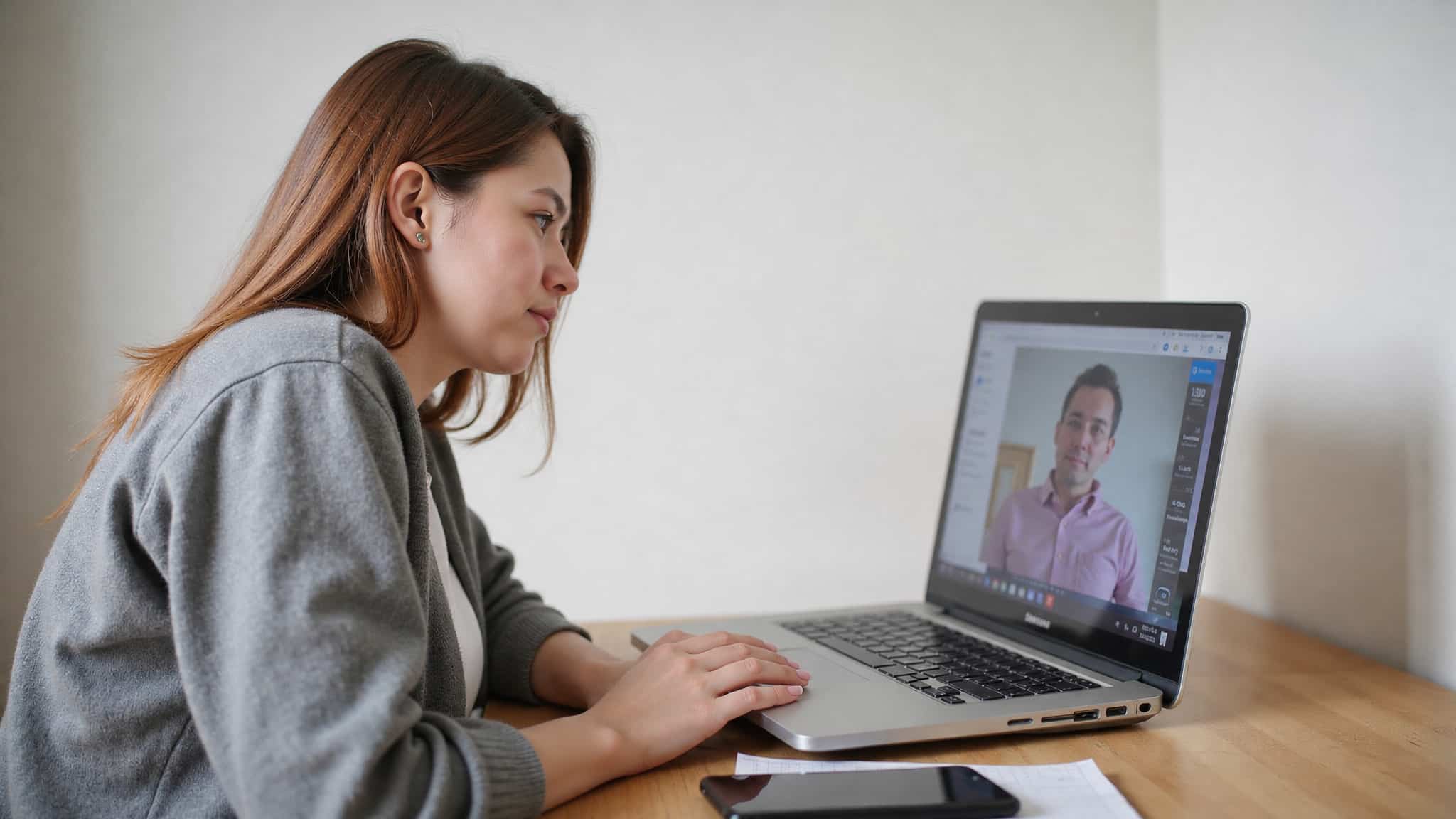
Online alcohol treatment, sometimes called virtual alcohol rehab, follows the same steps as in-person alcohol use disorder treatment. Each step happens by video or phone instead of in an office.
Assessment
A clinician reviews how much and how often you drink, past attempts to stop, withdrawal symptoms, physical health and mental health. This decides whether you start with detox, a virtual intensive outpatient program or weekly counseling.
Therapy and Group Support
Therapy sessions focus on why you drink, what triggers cravings and how to handle high-risk situations such as work events, holidays and stress at home. Group sessions add peer support from other adults working on the same goal.
Medication Management
A prescriber can evaluate you by video and start medication for alcohol use disorder if it fits your plan. Follow-up visits track side effects, cravings and progress.
Aftercare
Once the intensive phase ends, you step down to weekly sessions, alumni groups and mutual support meetings such as AA or SMART Recovery, many of which also meet online.
Signs of Alcohol Use Disorder

Clinicians diagnose alcohol use disorder using 11 criteria from the DSM-5. Common signs include drinking more or longer than intended, trying and failing to cut back, strong cravings, continuing to drink despite problems at work or home, needing more alcohol to feel the same effect, and withdrawal symptoms such as shakiness, sweating or anxiety when you stop.
| Severity | Criteria met in the past year |
|---|---|
| Mild alcohol use disorder | 2 to 3 |
| Moderate alcohol use disorder | 4 to 5 |
| Severe alcohol use disorder | 6 or more |
People at every severity level can benefit from treatment. Severity mainly shapes the starting level of care.
What Is the Most Successful Treatment for Alcohol Addiction?
The strongest results come from combining behavioral therapy with medication for alcohol use disorder, supported by peer and family involvement. The National Institute on Alcohol Abuse and Alcoholism lists both behavioral treatments and medications as effective, professionally led options.
- Cognitive behavioral therapy builds skills to manage triggers and cravings.
- Motivational enhancement therapy strengthens your own reasons to change.
- Couples and family therapy improves support at home.
- Medication reduces cravings or the reward from drinking.
Medications for Alcohol Use Disorder You Can Get Through Telehealth

Three medications are FDA-approved for alcohol use disorder. None of them is a controlled substance, so a licensed prescriber can start them by telehealth under normal state rules.
| Medication | How it helps |
|---|---|
| Naltrexone (daily pill or monthly injection) | Reduces cravings and the rewarding effect of alcohol |
| Acamprosate | Eases ongoing discomfort after you stop drinking, supporting abstinence |
| Disulfiram | Causes an unpleasant reaction if you drink, reinforcing a commitment not to |
Medication remains underused. According to NIAAA data from the 2024 national survey, only 2.5% of people with alcohol use disorder received medication for it.
Does Online Alcohol Treatment Work?
Research on virtual intensive outpatient care is encouraging. A 2023 study of 1,410 adults in substance use treatment found that patients in virtual IOP had a 21.7% no-show rate, compared with 30.9% for in-person patients, and 61% completed treatment with staff approval, compared with 52.6%.
For alcohol use disorder, steady attendance matters. Cravings and triggers often show up in daily routines, and online treatment lets you practice new skills in the same home and work settings where you will use them.
What a Week of Online Alcohol Treatment Looks Like
In a virtual intensive outpatient program, treatment fills about 9 to 12 hours of your week. A typical evening-track schedule looks like this:
| Day | Session | Focus |
|---|---|---|
| Monday | 3-hour group | Cravings, triggers and coping skills |
| Tuesday | Individual counseling | Your treatment plan and progress |
| Wednesday | 3-hour group | Cognitive behavioral therapy skills |
| Thursday | 3-hour group | Relapse prevention and stress management |
| Weekend | Mutual support meetings | AA, SMART Recovery or alumni groups |
Most adults attend this level of care for 8 to 12 weeks, then step down to weekly counseling.
Setting Up Your Home for Recovery
Because online alcohol treatment happens where you live, small changes at home support the work you do in sessions:
- Remove alcohol from the house, or ask the people you live with to store it out of sight.
- Plan your high-risk times. If you usually drink after work, schedule your sessions, a walk or a call with a support person for that hour.
- Tell one trusted person that you are in treatment so you have someone to call during a craving.
- Keep a routine for sleep, meals and exercise, which helps stabilize mood in early recovery.
- Protect your session time with a closed door and headphones.
Does Insurance Cover Online Alcohol Treatment?
Most commercial health plans cover outpatient treatment for alcohol use disorder, and many cover it by telehealth on the same terms as in-person care. Federal parity law requires plans that cover substance use treatment to do so on terms comparable to medical care. Your exact copay and deductible depend on your plan, so verify benefits before you start.
When to Start With Medical Detox
Alcohol withdrawal can become medically serious for heavy, long-term drinkers. Signs that you need supervised detox before online care include past seizures or delirium tremens during withdrawal, drinking heavily every day for weeks or months, shaking or sweating within hours of your last drink, and serious medical conditions. After detox, most adults move into an intensive outpatient program to continue treatment.
The Four Stages of Alcoholism
The classic Jellinek model describes four stages that many clinicians still use to explain how alcohol use progresses:
- Pre-alcoholic stage: drinking to relax or cope, with tolerance starting to build.
- Early-stage alcoholism: blackouts, drinking in secret and thinking about alcohol more often.
- Middle-stage alcoholism: missed work or responsibilities, visible effects and loss of control.
- End-stage alcoholism: daily heavy drinking and serious health effects.
Treatment works at any stage, and starting early makes recovery easier.
How Families Can Help a Loved One Who Refuses Treatment
One of the best-studied approaches for families is Community Reinforcement and Family Training (CRAFT), which teaches family members to reward sober behavior, step back from rescuing and pick the right moments to suggest treatment. According to the American Psychological Association, CRAFT led 64% to 67% of loved ones into treatment in clinical trials, compared with 29% to 37% for families who used Al-Anon or Nar-Anon.
Online Alcohol Treatment in New Jersey and New York City
Adults across New Jersey can attend a virtual IOP in New Jersey from home, and New Jersey law requires state-regulated plans to cover telehealth on the same basis as in-person care. In the five boroughs, our IOP program in NYC offers outpatient alcohol rehab by video with evening sessions for people who work long days.
Conclusion
You can get effective alcohol addiction treatment online. Therapy, group support, medication and aftercare all work by video, and research shows virtual intensive outpatient patients attend and complete treatment at strong rates. If you need detox first, that step comes before online care, and the rest of your recovery can happen from home.
Get Online Alcohol Addiction Treatment at The Hope Institute
The Hope Institute’s virtual intensive outpatient program offers online alcohol addiction treatment for adults in New Jersey and New York, with day and evening sessions, licensed clinicians and medication support. Call +1 (855) 659-2310 to verify your insurance and start treatment.
Frequently Asked Questions
What Is the Most Successful Treatment for Alcohol Addiction?
The most successful treatment combines behavioral therapy, such as cognitive behavioral therapy, with FDA-approved medication like naltrexone or acamprosate when appropriate. Peer support and family involvement improve long-term results.
What Are the Four Stages of Alcoholism?
The four stages in the Jellinek model are the pre-alcoholic stage, early-stage alcoholism, middle-stage alcoholism and end-stage alcoholism. They describe a progression from drinking to cope toward daily heavy drinking and serious health effects.
Can You Help an Alcoholic Who Does Not Want Help?
Yes. Community Reinforcement and Family Training (CRAFT) teaches families to encourage treatment without confrontation. In clinical trials, about two in three loved ones entered treatment after their families used CRAFT.
Can a Doctor Prescribe Naltrexone Online?
Yes. Naltrexone is not a controlled substance, so a licensed prescriber can evaluate you and prescribe it by telehealth. Acamprosate and disulfiram can also be prescribed online under normal state rules.
Is Online Alcohol Treatment Safe If I Have Withdrawal Symptoms?
Mild withdrawal symptoms can be managed with medical oversight, but a history of seizures, delirium tremens or heavy daily drinking calls for supervised detox first. Online treatment then continues your care after detox.