You avoid seeking help because your training rewards toughness and self-reliance, not vulnerability. Firehouse culture normalizes heavy drinking while stigmatizing anyone who admits they’re struggling. You’re afraid a positive test or treatment disclosure could cost you your assignment, your reputation, or your career. With 58% of firefighters identifying stigma as a major barrier, you’re far from alone in staying silent. Understanding what’s keeping you stuck is the first step toward breaking through it. Corrections officers avoiding addiction help often face similar pressures within their own environments. Like firefighters, they may feel that vulnerability is a sign of weakness, leading to a cycle of silence and unresolved issues.
Why Firefighter Addiction Stays Hidden
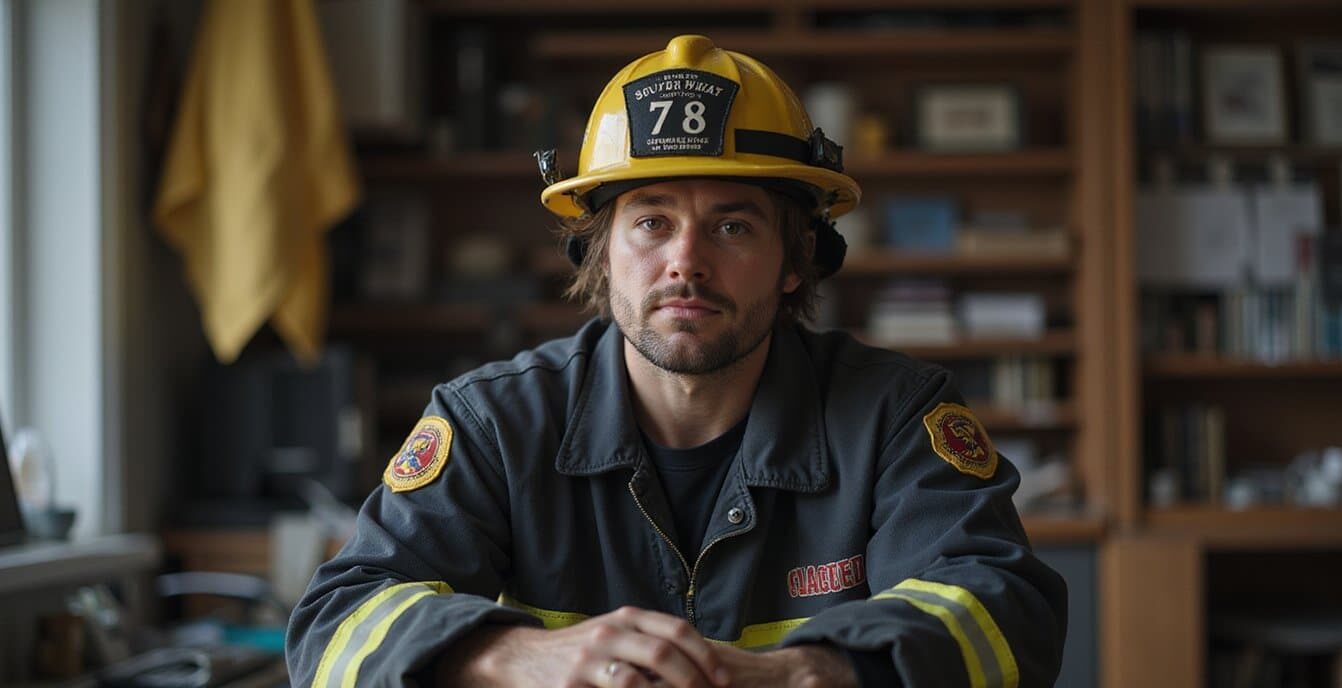
When the job demands that you stay strong for others, admitting you’re struggling with substances can feel like a contradiction. The same toughness that keeps you effective on calls can silence you off duty. Addiction stigma runs deep in fire service culture, where self-reliance is expected and vulnerability feels career-threatening. Why officers don’t seek help for addiction is often tied to the fear of judgment from peers. This hesitation can lead to a cycle of isolation that exacerbates their struggles.
Many firefighters avoid seeking help because the signs of substance misuse mirror job-related exhaustion, sleep loss, and irritability. Drinking after shifts looks normal when everyone participates. These barriers to treatment firefighters face aren’t just personal, they’re structural, built into station routines and peer norms that reward endurance over honesty.
Confidentiality fears add another layer. You may stay silent when disclosure feels riskier than the problem itself. Recognizing these patterns is the first step toward change. Annual confidential behavioral health screenings can help identify struggles early, before they deepen into full dependency.
How Stigma Keeps Firefighters From Getting Help
Stigma doesn’t just discourage firefighters from getting help, it actively reshapes how they interpret their own symptoms. When firehouse culture ties your worth to toughness and reliability, admitting dependence can feel like confirming you’re broken. Self-stigma turns a treatable condition into a private shame, and you may reach for substances precisely because formal support feels socially riskier than silence.
The fear of being unfit for duty isn’t abstract, it touches assignments, promotions, and how your crew sees you. Men in the fire service face especially sharp pressure, with research showing they’re more stigmatized than women for seeking behavioral health care. Fire station culture further compounds the problem, as environments that promote binge drinking normalize substance use while simultaneously punishing those who acknowledge they need support.
But stigma is modifiable. Peer-led programs have measurably reduced internalized shame in firefighters, proving that getting help and staying on the job aren’t mutually exclusive.
The “Tough It Out” Culture Inside the Firehouse

When your crew hands you a drink after a brutal call, saying no can feel like stepping outside the circle. That post-shift ritual may look like bonding, but over time it can quietly replace healthier ways of processing what you’ve seen. The same culture that expects you to push through pain on the job can make it nearly impossible to admit that your coping has become its own problem. Research shows that roughly half of firefighters binge drink, with some even reporting driving under the influence.
Drinking As Team Bonding
Firehouse culture treats camaraderie as a core value, and drinking often serves as the glue that holds it together. Shared meals, post-call wind-downs, and station traditions can blur the line between socializing and dependence. When alcohol is tied to belonging, declining a drink can feel like stepping away from your crew.
You may not even recognize the shift from casual use to reliance, because the behavior looks identical to what everyone else is doing. Peers rarely flag it when the pattern mirrors their own. Some volunteer stations have open bars, making access frictionless and risk invisible.
None of this makes you weak, it makes the environment powerful. Confidential treatment options exist that respect your role and let you address the problem without sacrificing the career you’ve built.
Endurance Over Emotional Health
The same grit that keeps you moving through a structure fire can work against you when the threat is internal. When stoicism defines competence, admitting pain can feel like professional failure. That mindset turns a treatable health issue into a private shame.
Fire service culture reinforces this pattern in specific ways:
- Emotional control is treated as a marker of fitness for duty, making vulnerability feel incompatible with the role.
- Identity fusion with the firefighter persona intensifies pressure to appear resilient at all times.
- “Comparative suffering” minimizes your struggles because others seemingly have it worse.
- Department norms implicitly reward endurance and self-reliance over honest self-assessment.
You’re trained to push through. But endurance without emotional honesty isn’t strength, it’s delayed harm.
How Trauma and PTSD Drive Self-Medication
When you’ve witnessed enough suffering on the job, your brain doesn’t simply file those images away, it replays them during quiet moments, in your sleep, and on calls that echo past emergencies. Alcohol or pills can seem like the fastest way to turn down that volume, giving you a few hours of relief from hyperarousal, insomnia, and intrusive memories that won’t quit. But that short-term numbing doesn’t resolve the underlying trauma; it builds a cycle where you need more of the substance to get the same escape, while both the PTSD and the dependence grow harder to treat.
Numbing Painful Memories
Because firefighters face death, injury, and suffering on a regular basis, trauma can build up in ways that don’t announce themselves clearly. You may reach for alcohol or other substances not to celebrate but to quiet what won’t stop replaying in your mind.
Substances can temporarily blunt distress by:
- Silencing intrusive thoughts and mental replays of critical incidents
- Dulling emotional pain that surfaces without warning
- Relieving hyperarousal and sleep disruption after difficult calls
- Creating numbness when feelings become overwhelming or absent
This relief doesn’t last. Each use reinforces avoidance rather than processing, and the cycle tightens, trauma symptoms intensify, driving heavier use. Over time, what started as coping becomes dependence. Recognizing this pattern isn’t weakness; it’s the first step toward breaking it.
Coping With Chronic Stress
Numbing painful memories is one part of the picture, but chronic stress operates on a broader scale, it reshapes how your body and mind respond to pressure over time. Repeated traumatic calls, long shifts, and emotional exhaustion create allostatic load, prolonged strain on your stress-regulation systems. That burden shows up as hypervigilance, irritability, sleep disruption, and emotional exhaustion.
When your nervous system stays locked in that heightened state, alcohol or prescription medications can feel like the only off-switch available. The relief is real but temporary, and repeated use builds dependence before you recognize the pattern. A scoping review identified traumatic events and job stress as leading predictors of PTSD in firefighters, confirming that the operational tempo itself is a risk factor, not a personal failing. Your stress deserves a clinical response, not a chemical one.
Why Firefighters Fear Career Fallout for Speaking Up
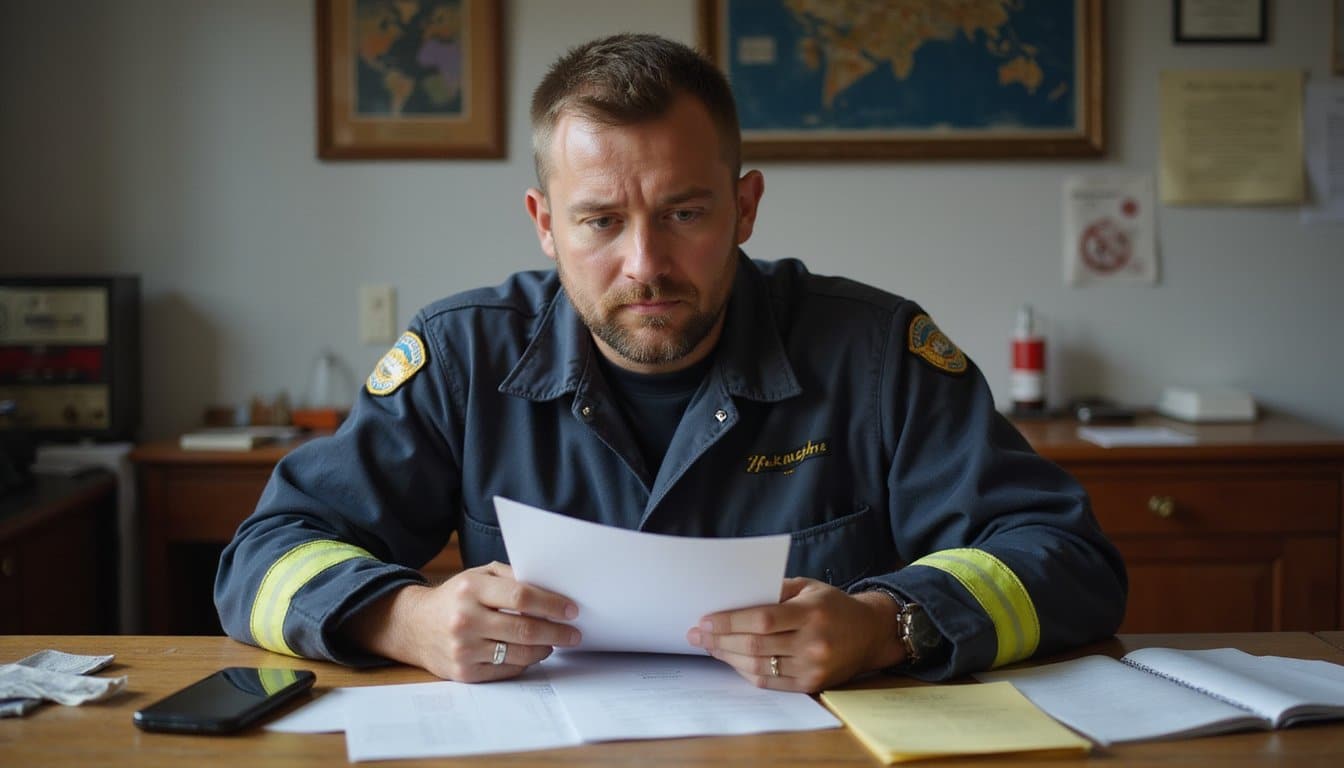
Even though most firefighters recognize when substance use has become a problem, the decision to speak up carries real professional risk, and that fear isn’t irrational. Department policies can treat a positive test or policy violation as grounds for termination, making silence feel safer than disclosure.
The fears that keep firefighters quiet tend to cluster around four areas:
- Job loss, fitness-for-duty standards can frame addiction as a career-ending issue
- Stigma, 58% of firefighters identify stigma as a significant barrier to treatment
- Reputation damage, disclosure can change how supervisors and crew members view your reliability
- Confidentiality breaches, in tight-knit stations, personal information can spread quickly
These concerns are valid, but confidential treatment options exist that respect your career and your duty to your crew.
Binge Drinking, Sleep Loss, and Normalized Substance Use
After a 24-hour shift leaves you wired and exhausted, a few drinks can feel like the fastest way to shut your brain off and sleep. You’re not alone, 71% of firefighters report trouble sleeping, and many turn to alcohol to force their bodies into a normal rest cycle on days off.
That pattern feeds into something bigger. Studies show 56% of career firefighters report past-month binge drinking, and career firefighters drink roughly 10 days per month. Because drinking is woven into how crews bond and decompress, higher-risk consumption can look ordinary. When everyone around you drinks the same way, there’s no obvious line between unwinding and dependence.
Binge drinking carries the steepest health risks in the fire service, yet the culture rarely flags it as a problem.
Why Standard Treatment Programs Don’t Feel Safe
When you’ve spent your career proving you can handle anything, walking into a standard rehab clinic can feel like the most dangerous call you’ve ever made. Generic programs weren’t built for the realities you carry, and that mismatch creates real barriers:
- Confidentiality feels uncertain. You can’t risk being recognized or having records reach your department when privacy isn’t explicitly guaranteed.
- Stigma hits harder. With 58% of firefighters identifying stigma as a significant obstacle, standard settings that frame addiction as personal failure feel unsafe.
- Job consequences loom. Admission could trigger duty restrictions, scheduling changes, or promotion delays.
- Trauma goes unaddressed. Standard programs often separate substance use from PTSD, leaving your cumulative occupational exposure untreated.
You deserve care that understands the weight behind the badge.
What First Responder-Specific Addiction Programs Do Differently
Because the fire service shapes how you experience both trauma and substance use, first responder-specific programs treat them as one connected problem rather than splitting them apart. Integrated care, using evidence-based therapies like CBT, EMDR, CPT, and DBT, addresses PTSD and addiction simultaneously, which research consistently shows is superior to treating either alone.
You’re placed alongside peers who’ve worked the same calls and carried the same weight. That shared context means you don’t have to justify why a particular incident still follows you. Trust builds faster, and conversations cut deeper.
Programs offer the full continuum, detox, residential, PHP, IOP, and outpatient, matched to your severity and schedule. Family therapy, individualized planning, and relapse prevention are standard, built around the reality that you intend to return to duty.
Trusted Recovery for Those on the Front Lines
The trauma firefighters carry doesn’t end when the shift does, and the right care can make all the difference in long-term wellness. At The Hope Institute in West Milford, NJ, our caring professionals provide thoughtful Addiction Treatment with understanding and a plan shaped around you. Call (866) 311-0124 today and take the first step toward lasting recovery.
Frequently Asked Questions
Can a Firefighter Be Forced Into Treatment if a Colleague Reports Them?
A colleague’s report doesn’t automatically force you into treatment. What happens next depends on your department’s policies, labor agreements, and local regulations. If there’s a safety or performance concern, your department may require a fitness-for-duty evaluation, and that process could lead to mandated treatment. It’s worth knowing that many departments handle these situations through EAPs or union support channels that prioritize confidentiality and keeping you in your career.
Do Firefighters Lose Their Pension if They Enter Addiction Rehab?
Entering rehab doesn’t automatically cost you your pension. Most pension systems base eligibility on service time and retirement rules, not on whether you’ve sought treatment. That said, every plan and jurisdiction is different, so specifics matter. Fear of losing benefits keeps many firefighters from getting help they’ve earned the right to receive. You can contact your pension administrator or union rep confidentially to confirm your plan’s protections before making a decision.
How Can Families Encourage a Firefighter to Seek Help Without Causing Conflict?
You’ll get further by describing specific changes you’ve noticed, sleep, mood, drinking patterns, rather than using labels. Keep the conversation calm, private, and away from moments of active use. Frame treatment as protecting the job and the crew, not as failure. Offer concrete next steps like contacting an EAP or a fire-service-informed counselor. When you lead with concern instead of blame, you’re more likely to lower defensiveness and open a real conversation.
Are Volunteer Firefighters at the Same Addiction Risk as Career Firefighters?
Yes, available data suggest you face meaningful addiction risk whether you’re volunteer or career. Studies show binge drinking is common in both groups, and volunteer firefighters actually reported slightly more drinking days per month. The research base remains limited, but current evidence doesn’t support the idea that either group is risk-free. If you’re serving in any capacity, you’re exposed to trauma and stress that can drive substance use, and you deserve support.
What Substances Besides Alcohol Are Most Commonly Misused by Firefighters?
You’ll most commonly see prescription opioids topping the list, work injuries create a direct pathway from legitimate pain relief to dependence. Benzodiazepines like Xanax follow closely, often started for sleep disruption or anxiety tied to shift work and trauma. Tobacco and smokeless tobacco remain widespread, with roughly 18% of firefighters using smokeless products. Cocaine, methamphetamine, and heroin also appear, though they’re less prevalent than alcohol and prescription medications.