Modern alcohol dependence treatment combines traditional and cutting-edge approaches tailored to your recovery journey. You’ll find evidence-based options including gene therapy, focused ultrasound stimulation, and digital CBT platforms alongside established medications like naltrexone. Virtual reality therapy and telehealth services make treatment more accessible, while holistic methods address your physical and emotional well-being. From medical detox to ongoing support, inclusive treatment pathways now offer more effective solutions than ever before. Top alcohol recovery options should be explored to find the right fit for your needs. Many individuals benefit from personalized treatment plans that incorporate various methods.
Groundbreaking Therapeutic Approaches in Recovery
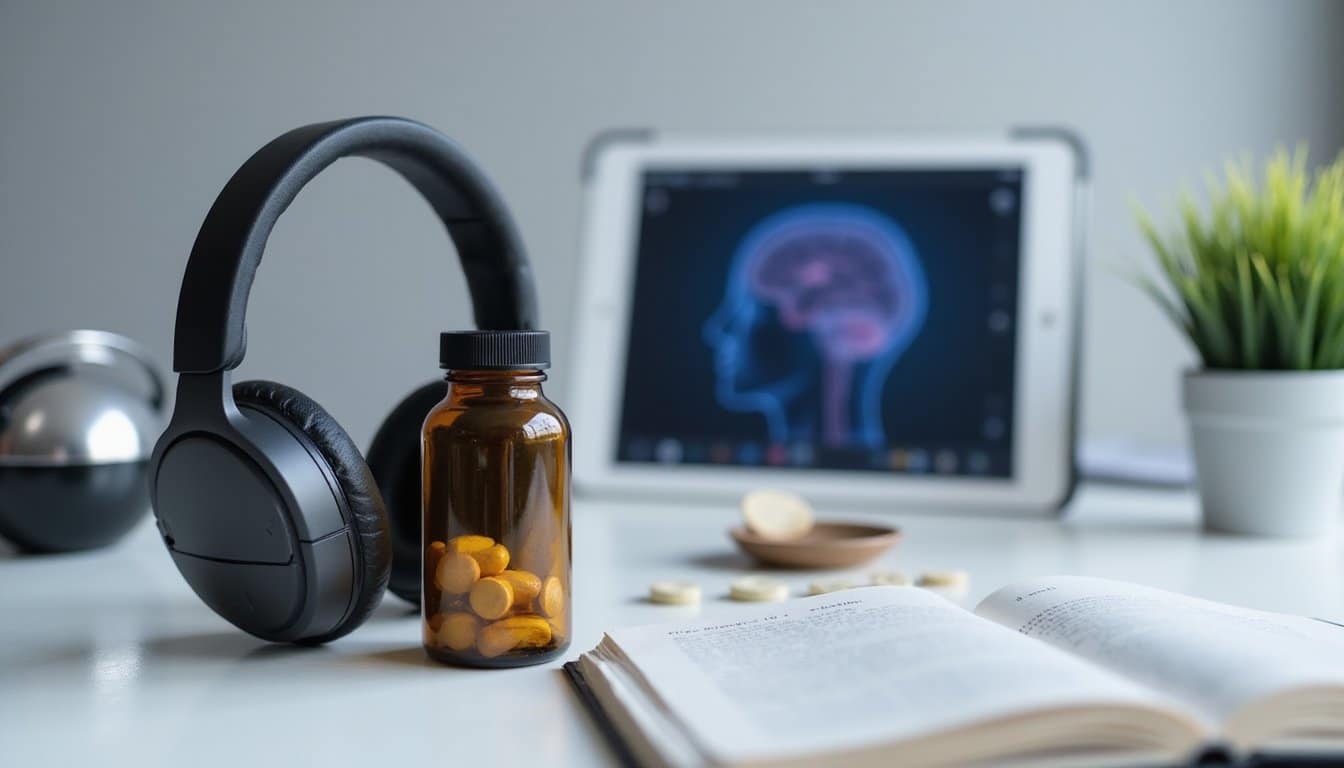
While traditional addiction treatments have relied heavily on behavioral therapy and support groups, recent breakthroughs in therapeutic approaches are revolutionizing alcohol dependence recovery. Recent research demonstrates that gene therapy interventions could provide one-time treatments for alcohol use disorder. You’ll find cutting-edge options like focused ultrasound brain stimulation that precisely targets craving-related neural circuits, offering new hope for persistent urges that haven’t responded to conventional treatments. Digital health solutions now provide 24/7 virtual support for individuals unable to access in-person treatment. Many healthcare providers are integrating psychedelic therapy into their treatment programs for addressing deep-rooted trauma.
Trauma awareness has become central to modern recovery programs, as research clearly links past trauma to alcohol dependence. You’re now likely to encounter treatment protocols that combine innovative technologies with trauma-informed care. These might include transcranial magnetic stimulation (TMS) to enhance self-control mechanisms while addressing underlying psychological wounds. The integration of these approaches reflects a deeper understanding of addiction’s complexity, moving beyond simple willpower-based models to thorough neurobiological and psychological interventions.
Digital Solutions Transforming Treatment Delivery
As healthcare systems embrace digital transformation, revolutionary technologies are reshaping alcohol dependence treatment delivery. You’ll find digital therapy options like CBT platforms demonstrating faster reduction in risky drinking levels compared to traditional face-to-face sessions, with platforms like reSET-O achieving higher retention and abstinence rates. Research shows that mobile CBT programs allow patients to receive effective treatment without requiring hospital visits. Treatment outcomes have improved significantly as digital health solutions become essential for addressing substance use disorders.
Virtual support networks now enable continuous engagement through WhatsApp groups and online communities, while VR exposure therapy allows you to practice coping strategies in simulated trigger environments. You can access telehealth services from home, eliminating traditional barriers like transportation and scheduling conflicts. Real-time monitoring through wearable devices tracks your progress and alerts providers to potential relapses. Vital sign monitoring enables nursing staff to respond immediately to withdrawal symptoms. These digital solutions are making treatment more accessible, affordable, and effective while maintaining the quality of care you need for recovery.
Psychedelic-Assisted Therapy: The New Frontier

Recent breakthroughs in psychedelic-assisted therapy represent a paradigm shift in alcohol dependence treatment. Clinical trials demonstrate psilocybin efficacy as the leading psychedelic intervention, with significant reductions in alcohol consumption when combined with structured psychotherapy sessions. The comprehensive review analyzed 37 psychedelic treatment studies involving over 2,000 participants worldwide. A recent Swiss trial showed no significant differences between psilocybin and placebo groups in preventing alcohol use relapse. The University of Iowa will begin their groundbreaking trial with its first human volunteer in spring 2025.
You’ll find MDMA therapy showing remarkable results, with response rates reaching 86.5% compared to 69.0% for placebo groups. The treatment protocol typically involves a single dose administration alongside five specialized psychotherapy sessions in controlled medical settings. What’s particularly promising is the durability of effects, lasting months after just one treatment.
Research continues to expand through major institutions, with the University of Iowa leading Midwest initiatives. While early results are encouraging, you should note that larger trials are needed to confirm these findings for widespread clinical application.
Advanced Pharmacological Treatment Options
Modern pharmacological interventions offer proven, evidence-based solutions for alcohol dependence treatment, complementing emerging psychedelic therapies with established FDA-approved medications. Today’s novel medications target specific neural pathways, allowing for more personalized treatment approaches based on your individual needs and circumstances. The AUDIT screening tool remains the gold standard for initial patient assessment in primary care settings. Despite their proven effectiveness, pharmacologic treatments are severely underutilized, with only 1.3% of Medicare patients receiving medication post-hospitalization. Primary care physicians can now take a leading role in treatment, as outpatient settings have become the primary venue for delivering AUD care.
- First-line treatments include naltrexone and acamprosate, with comparable effectiveness (NNT of 18 and 11, respectively) and excellent tolerability profiles
- Naltrexone blocks alcohol’s pleasurable effects through opioid antagonism, available in both daily oral and monthly injectable forms for treatment flexibility
- Acamprosate works on the glutamatergic system to reduce withdrawal symptoms, though it requires more complex dosing than naltrexone
For patients with specific needs, off-label options like gabapentin offer additional treatment pathways, particularly beneficial for those with withdrawal histories.
Holistic Methods for Sustainable Recovery

While traditional treatment methods focus primarily on physiological dependence, holistic approaches to alcohol recovery integrate mind, body, and spirit components to create sustainable, long-term solutions. You’ll experience extensive healing through evidence-based modalities like equine therapy, yoga, and mindfulness practices, which work synergistically to address addiction’s underlying causes. A multidisciplinary team provides comprehensive support throughout every stage of recovery. Studies show that acupuncture therapy effectively manages withdrawal symptoms during detoxification.
The five core elements, physical, emotional, social, spiritual, and intellectual health, form the foundation of your recovery journey. These components work together to strengthen your emotional regulation, reduce cravings, and build resilience. Research from the National Institutes of Health confirms that mindfulness-based interventions greatly improve self-regulation and reduce relapse risks. Through structured programs incorporating meditation, art therapy, and nutritional planning, you’ll develop healthy coping mechanisms while restoring both physical and mental well-being. Progressive treatment centers like SCRC now offer trauma-focused therapies that directly address the root causes of addiction.
Evidence-Based Traditional Treatment Models
Modern medical detoxification protocols have evolved to effectively manage withdrawal symptoms through carefully monitored medication regimens and 24-hour clinical supervision. You’ll find that evidence-based counseling approaches, including CBT and MET, demonstrate measurable success in helping patients develop essential coping skills and maintain long-term sobriety. Treatment outcomes show that combining medically supervised detox with structured behavioral interventions yields the highest rates of sustained recovery. Patients typically require 2 to 7 days to complete the detoxification process under medical supervision.
Medical Detox Protocols Evolve
Traditional medical detoxification protocols have evolved into an extensive three-phase framework that addresses both the immediate physical dangers of alcohol withdrawal and the changeover to long-term recovery. Today’s personalized detox approaches incorporate targeted medication strategies and essential nutrition support while carefully evaluating individual risk factors. Choosing the right path in recovery is crucial for long-term success. How to choose an alcohol treatment program involves assessing multiple factors, including the type of support systems available and the specific needs of the individual.
Modern protocols prioritize:
- Systematic evaluation through blood alcohol testing and liver function monitoring to determine appropriate care settings
- Medication-assisted withdrawal management using evidence-based benzodiazepine protocols tailored to patient age and health status
- Thorough vitamin and nutritional restoration, particularly thiamine supplementation, to prevent severe neurological complications
Whether you’re receiving treatment through inpatient or ambulatory services, medical supervision spans 2-7 days with ongoing essential sign monitoring and risk evaluation. This medicalized approach serves as a critical bridge to long-term recovery programs.
Counseling Approaches Show Results
Evidence-based counseling approaches have revolutionized alcohol dependence treatment by integrating multiple therapeutic modalities that target behavioral, cognitive, and emotional aspects of addiction. These evidence-based interventions combine Cognitive Behavioral Therapy, Dialectical Behavior Therapy, and Motivational Interviewing to address the complex nature of alcohol dependence. Treatment options for alcohol use disorder can also include medications that help reduce cravings and improve outcomes.
You’ll find that modern psychosocial strategies emphasize personalized treatment plans, incorporating trauma-informed care and holistic counseling methods. Research shows these approaches markedly improve treatment outcomes by addressing both the addiction and any co-occurring mental health conditions. Treatment providers now utilize structured assessment tools to match clients with the most effective therapeutic combinations, while maintaining flexibility to adjust interventions based on individual progress and needs throughout the recovery journey.
Breaking Free From Alcohol Is Possible
When drinking becomes something you rely on, quitting can feel out of reach. With the right methods and support, it is not. In Oakland, NJ, the Hope Institute provides alcohol dependence treatment in New Jersey. Call us at (855) 659-2310 or contact us to learn more.
Frequently Asked Questions
How Long Does It Typically Take to Overcome Alcohol Dependence Completely?
You’ll find that overcoming alcohol dependence is a long-term process with varying duration factors affecting your recovery milestones. While physical withdrawal symptoms peak within 3-7 days, complete recovery typically spans several years. You’re at highest risk of relapse in the first 6 months, but your chances of maintaining sobriety increase considerably after 5 years. The average journey takes about 22 years from the onset of problematic use to sustained recovery.
What Percentage of People Maintain Sobriety After Completing Treatment Programs?
Based on sobriety statistics, you’ll find that roughly 50% of people experience relapse within the first 3 months after treatment. Treatment success rates show that 30-35% maintain sobriety through their first year. However, if you’re able to achieve 2 years of continuous sobriety, your chances of long-term recovery increase considerably to 60%. After 5 years of sustained sobriety, your risk of relapse drops to less than 15%.
Are There Genetic Tests Available to Determine the Best Treatment Approach?
Yes, genetic tests are now available to help determine your ideal treatment approach. You can access platforms like CARES that analyze genetic markers through a simple saliva sample. These tests examine specific genetic variations associated with addiction risk and treatment response. By identifying your unique genetic profile, healthcare providers can develop personalized treatment plans, including selecting medications that’ll work best for you based on your genetic makeup.
How Much Do Modern Alcohol Dependence Treatments Typically Cost?
You’ll find treatment costs vary considerably based on your chosen care level. For inpatient programs, you’re looking at $5,000-$30,000 for a standard 30-day stay, while outpatient options offer better treatment affordability at $1,400-$10,000 per month. In a cost comparison, detoxification ranges from $500-$3,000, and medication-assisted treatment adds $1,000-$5,000 monthly. Your insurance coverage can greatly reduce these expenses, though only 42% of providers accept Medicare.
Can Alcohol Addiction Treatments Be Covered by Health Insurance?
Yes, your health insurance can cover alcohol addiction treatments. Under the Affordable Care Act, insurance providers must cover substance use disorder services as an essential health benefit. You’ll find thorough insurance coverage for various treatment options, including inpatient rehab, outpatient programs, counseling, and medication-assisted treatments. Medicare provides free annual alcohol screenings, while Medicaid offers extensive coverage, including support services. However, specific coverage details and copayments vary by plan.