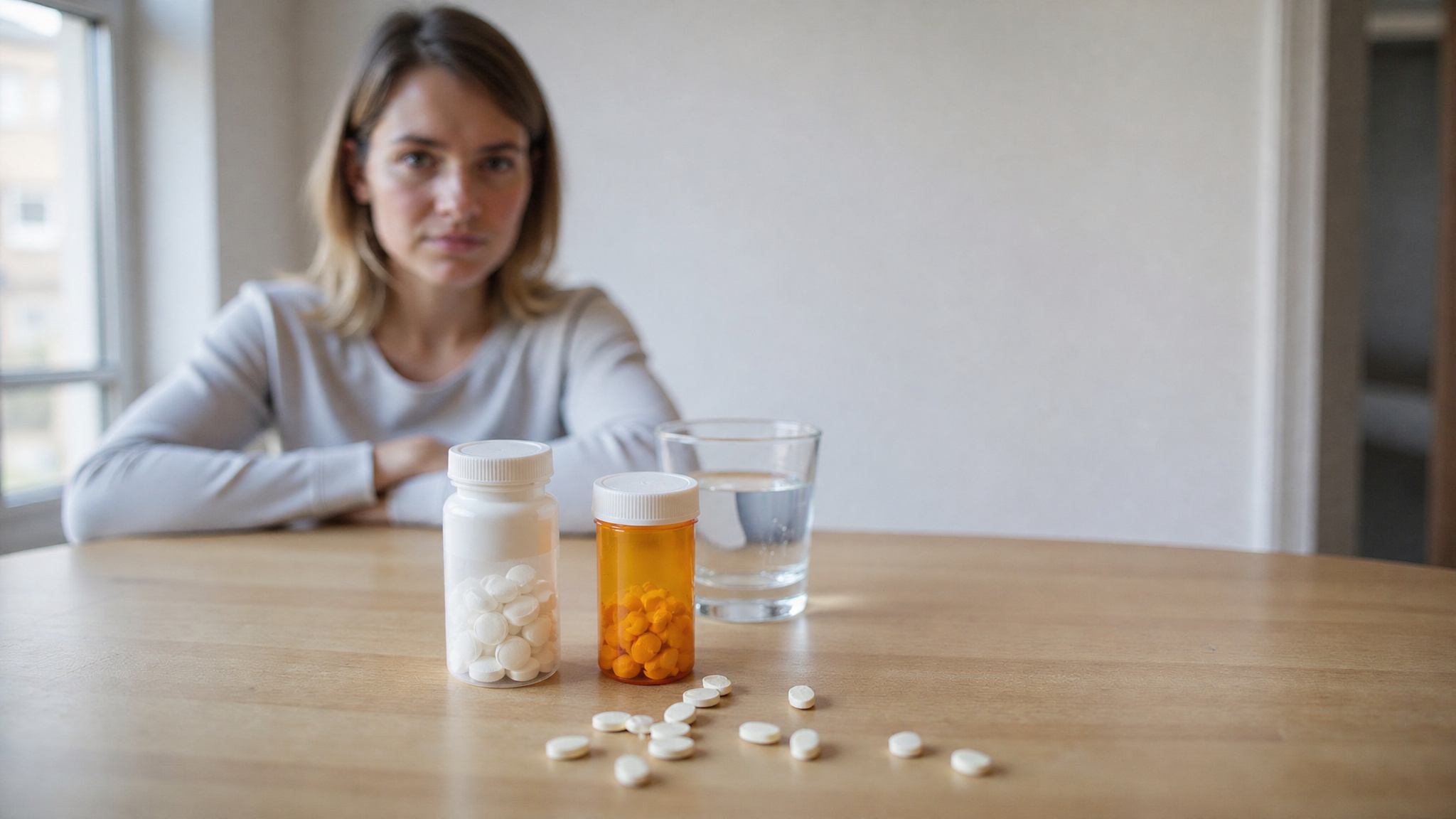
When choosing an alcohol treatment program, you’ll need to evaluate several key factors to find the best fit. Start by determining whether you need outpatient, partial hospitalization, or residential care based on your situation. Look for facilities with proper accreditation (JCAHO or CARF) that offer evidence-based treatments combining medications and behavioral therapy. Consider programs that provide thorough assessments and strong aftercare support. The following guide will help you navigate your options for successful recovery. Effective alcohol treatment options are crucial for achieving lasting recovery. Many programs also incorporate holistic approaches, such as mindfulness and exercise, to enhance the healing process.
Understanding Different Types of Alcohol Treatment Programs

When seeking help for alcohol addiction, understanding the different levels of treatment available is essential for making an informed decision about care. Treatment programs range from outpatient options to intensive inpatient services, each designed to meet specific recovery needs. Quality facilities emphasize evidence-based practices rather than luxury amenities. Research shows that patients who maintain active participation in their chosen program achieve more positive outcomes.
Modern treatment typically combines talk therapy and medications to create individualized recovery plans based on patient needs. Outpatient options offer flexibility, allowing you to maintain daily responsibilities while receiving up to 20 hours of weekly treatment through standard programs or intensive outpatient care. For more thorough support, partial hospitalization provides 20+ hours of structured weekly treatment while you still live at home.
Residential programs offer 24-hour care in specialized facilities, ranging from one month to one year. These programs typically include multiple treatment phases and provide the highest level of support. For severe cases requiring medical supervision, intensive inpatient services deliver around-the-clock monitoring and withdrawal management in hospital settings. Outpatient alcohol treatment benefits can be a valuable option for individuals who do not require the intense structure of a residential program.
Key Factors to Consider When Selecting a Treatment Facility
Selecting an effective alcohol treatment facility requires careful evaluation of several critical factors that directly impact recovery outcomes. You’ll want to verify the facility’s accreditation from recognized organizations like JCAHO or CARF, as these credentials guarantee adherence to quality standards of care. Additionally, examine staff qualifications, confirming that clinicians hold appropriate licenses and certifications, preferably at the master’s level or higher. Evidence-based treatment methods such as Cognitive Behavioral Therapy and Twelve-Step Facilitation should be core components of the program.
The facility should prioritize a clean and professional environment that helps patients regain their dignity during treatment. Consider the facility’s assessment processes; they should provide thorough screening for co-occurring conditions and evaluate your social support system. The program must also match your specific needs through detailed evaluation of medical stability, substance use history, and environmental factors. A comprehensive program should include 24/7 medical support to ensure successful recovery and stabilization. Ascertain the facility conducts proper medical assessments before admission and maintains clear documentation of treatment protocols and completion requirements.
Evidence-Based Treatment Methods and Success Rates

Effective alcohol treatment programs rely on a thorough array of evidence-based methods that combine FDA-approved medications with behavioral interventions. Medication efficacy studies show that naltrexone and acamprosate can substantially reduce drinking episodes, with number-needed-to-treat statistics of 18 and 11, respectively. You’ll find various therapy modalities proven to support recovery, including cognitive-behavioral therapy, motivational enhancement, and mindfulness-based interventions. Research shows that AA participation spans across 180 countries with over 2 million members seeking sobriety support.
Treatment professionals emphasize that treatment duration in months, not days or weeks, is typical for achieving lasting recovery outcomes. Research demonstrates that Alcoholics Anonymous often outperforms traditional psychotherapy for maintaining abstinence, while offering cost-effective support through peer interaction. When selecting a treatment program, you’ll want to take into account that combination approaches tend to yield the best outcomes. The annual economic burden of alcohol use disorder exceeds $249 billion in the United States. Programs may incorporate FDA-approved medications, behavioral treatments, and support groups in varying intensities to match your specific needs and recovery goals.
The Role of Support Systems and Aftercare Planning
Successful recovery from alcohol dependence hinges critically on a robust aftercare plan and support system following initial treatment. Research shows that structured aftercare strategies markedly improve long-term outcomes, with patients receiving thorough support networks showing twice the likelihood of maintaining sobriety compared to those without formal aftercare plans. Studies have shown that cognitive behavioral therapy remains one of the most effective continuing care approaches. Experts emphasize that mindfulness practices combined with CBT can lead to lower relapse rates and fewer substance use days over 12 months. Many patients benefit from accessing treatment research through open access journals that provide the latest evidence-based recovery strategies.
The T.E.A.M. approach provides a systematic framework for your continuing care, encompassing Therapy, Environment, Association, and Medication components. You’ll find that well-implemented aftercare strategies, including regular outpatient visits and social reinforcement, can double your attendance rates and strengthen your recovery journey. When selecting a treatment program, prioritize those offering detailed aftercare planning that includes care management, support group integration, and relapse prevention strategies. Your success rates improve considerably when you’re connected to structured, evidence-based continuing care programs. Treating alcohol dependence requires a multifaceted approach tailored to individual needs. It is essential to incorporate behavioral therapies, lifestyle changes, and ongoing support systems to promote lasting recovery.
Making Your Decision: Assessment Tools and Resources

How do you objectively evaluate your need for alcohol treatment? Professional screening tools provide assessment accuracy and help determine the appropriate level of care you require. The most widely-used instruments offer screening efficiency while measuring various aspects of alcohol use and its impact on your life. The CAGE Assessment provides a quick four-question evaluation to identify potential alcohol abuse. Due to increasing online security concerns, many treatment resources now implement security protocols to protect sensitive assessment data. Women seeking treatment often receive evaluations through initial screenings at locations like emergency rooms and social service agencies.
| Assessment Tool | Key Features |
|---|---|
| AUDIT | Scores 0-40; evaluates drinking patterns and consequences |
| AUDIT-C | Quick 3-question version for consumption screening |
| ASI | Thorough evaluation across 7 life domains |
| CIWA-Ar | Measures withdrawal severity for treatment planning |
You’ll want to complete these assessments with a qualified healthcare provider who can interpret the results and recommend appropriate treatment options. These evidence-based tools help guarantee you’re matched with the right level of care, from brief interventions to extensive treatment programs, based on your specific needs and circumstances.
The Best Program Is the One You Will Stay With
Comparing alcohol programs can feel like too much when you just want to feel better. What matters most is care that fits your real life. The Hope Institute delivers an alcohol treatment program in New Jersey to the Bloomingdale, NJ area. Call us today at (855) 659-2310 or contact us.
Frequently Asked Questions
Can I Keep My Job While Attending Alcohol Treatment Programs?
Yes, you can keep your job while getting treatment for alcohol use. Many outpatient programs are specifically designed to maintain work-life balance, offering evening or weekend sessions. Most employers support treatment through Employee Assistance Programs and must legally provide reasonable accommodations. Statistics show that 70% of people with alcohol use disorders are employed, and those who maintain employment during treatment often have better recovery outcomes.
What Happens if My Insurance Doesn’t Cover the Full Treatment Cost?
If your insurance doesn’t cover full treatment costs, you’ll have several payment options available. Many treatment centers offer sliding-scale fees based on your income, payment plans, or financial assistance programs. You can also explore private healthcare loans, credit cards specifically for medical expenses, or crowdfunding platforms. Don’t let cost deter you; treatment facilities often work with you to make care accessible through manageable monthly payments or scholarships for qualifying individuals.
How Do I Explain My Absence to Friends and Colleagues?
You’ll need to develop a strategic communication plan that aligns with your comfort level. You can simply state you’re taking time off for health reasons or personal matters without providing specifics. Share more details only with trusted friends who can provide emotional support during recovery. Remember, you’re not obligated to disclose private medical information to colleagues. If asked directly, keep responses brief and redirect conversations back to work-related topics.
Will My Medical Records Show That I Attended Alcohol Treatment?
Yes, your medical records will show alcohol treatment, but strict confidentiality laws protect this information from being shared. Your treatment records are kept separate from general medical files and can’t be disclosed without your explicit consent. Federal regulations like 42 CFR Part 2 provide enhanced privacy protection for substance abuse treatment records. You don’t need to worry about treatment disclosure to employers, as these records won’t appear on background checks or employment screenings.
Can I Use My Phone and Laptop During Residential Treatment?
Technology policies vary by facility, but most residential treatment centers restrict phone usage and electronic devices, especially during early recovery. You’ll likely have limited or no access to your phone and laptop during the first few weeks. Some centers offer supervised computer access for essential tasks and may gradually increase technology privileges as you progress in treatment. You can check specific policies with your chosen facility before admission.