Drinking alcohol while taking metformin raises your risk of two serious complications. First, alcohol reduces your liver’s ability to clear lactate, which can trigger lactic acidosis, a rare but life-threatening condition with a 30%, 50% mortality rate. Second, alcohol suppresses glucose release, causing delayed hypoglycemia, especially if you drink without food. Watch for rapid breathing, severe weakness, confusion, sweating, or tremor. Understanding how these risks develop can help you stay safer.
Key Takeaways
- Alcohol combined with metformin raises the risk of lactic acidosis, a rare but serious condition with 30%, 50% mortality.
- Drinking suppresses your liver’s glucose release, potentially causing delayed and dangerous hypoglycemia, especially when drinking without food.
- Alcohol can mask hypoglycemia symptoms like confusion, sweating, and tremor, delaying your response to low blood sugar.
- Watch for warning signs like rapid breathing, severe weakness, muscle pain, nausea, or confusion, and seek emergency care if they appear.
- Moderate drinking may be acceptable with normal kidney and liver function, but avoid heavy or binge drinking and consult your clinician.
What Happens if You Drink Alcohol While Taking Metformin
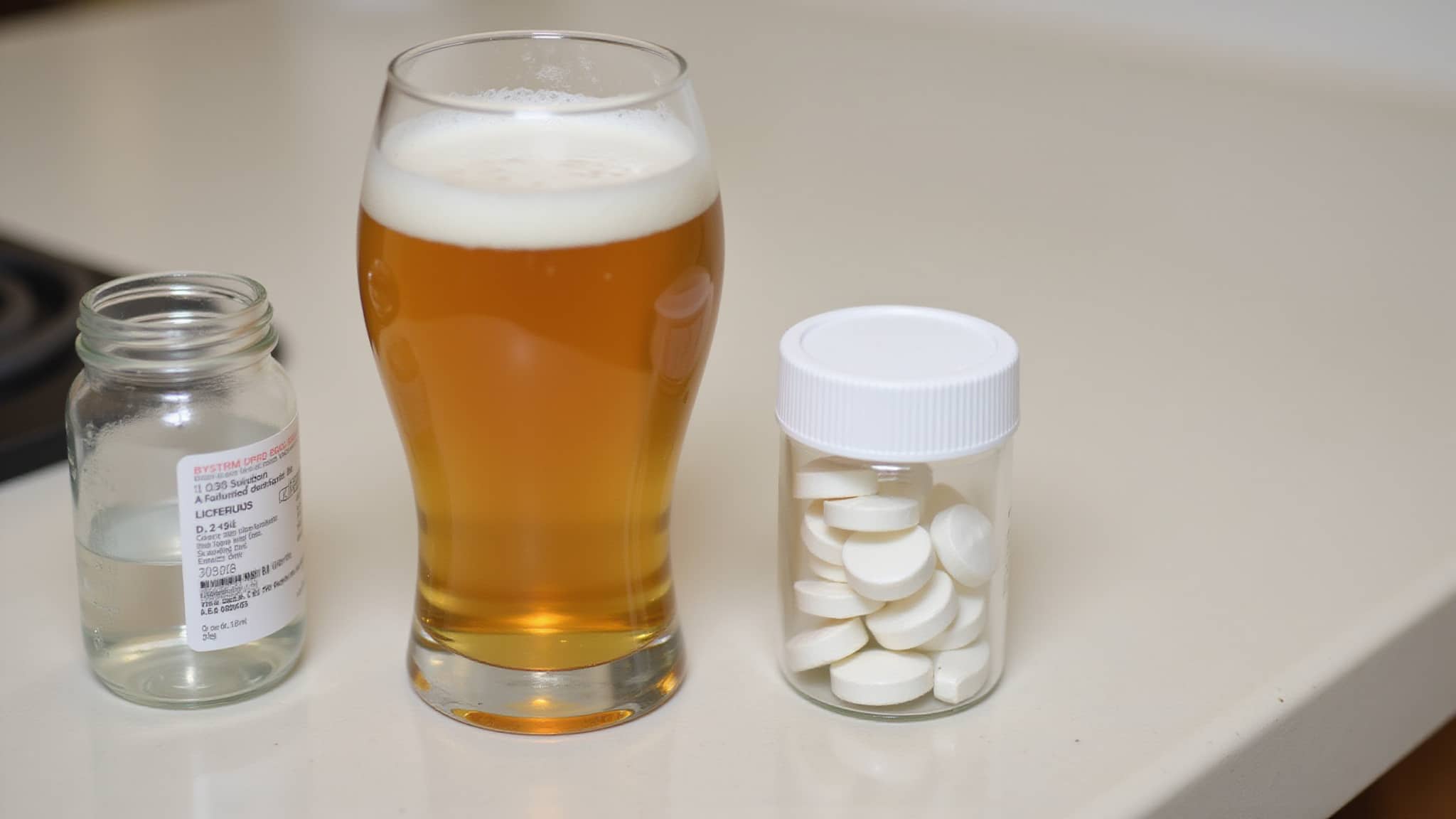
Mixing alcohol with metformin raises concern because the interaction affects two systems at once: your lactate metabolism and your blood sugar control. Alcohol reduces your liver’s ability to clear lactate, which can amplify metformin’s effect and raise your risk of lactic acidosis, a rare but serious condition with reported mortality of 30% to 50%. At the same time, alcohol suppresses your liver’s glucose release, so you can develop delayed hypoglycemia, especially if you drink without food.
Both risks complicate your diabetes management. Alcohol makes your blood glucose harder to predict, causing swings that destabilize control. It can also mask hypoglycemia symptoms like confusion, sweating, and tremor. Heavy or binge drinking magnifies every risk, while moderate intake may be tolerated depending on your health. Why alcohol makes it hard to sleep can exacerbate these challenges, leading to increased fatigue and irritability. This disruption in sleep patterns can further impair your ability to manage diabetes effectively.
What Is Lactic Acidosis and Why Is It the Biggest Danger
Lactic acidosis is a dangerous buildup of lactate in your blood, and it’s the most serious concern when you combine alcohol with metformin. Metformin affects how your body handles lactate, and alcohol compounds the problem by reducing your liver’s ability to clear it. When lactate accumulates faster than you can eliminate it, your blood becomes acidic, which can be life-threatening.
Although this condition is rare, fewer than 10 events per 100,000 patient-years in one review, it carries a reported mortality of 30% to 50%. That high fatality rate is why you can’t ignore it.
Binge drinking and acute intoxication repeatedly show up as higher-risk situations. Watch for warning signs like rapid breathing, severe fatigue, weakness, nausea, and confusion, and seek medical care immediately. Early signs of a drinking problem can often be overlooked amidst the chaos of daily life. Individuals may dismiss them as mere stress or fatigue rather than acknowledging the underlying issues.
Can Mixing Alcohol With Metformin Cause Severe Low Blood Sugar

Yes, mixing alcohol with metformin can trigger severe low blood sugar, though the mechanism differs from lactic acidosis. Alcohol suppresses your liver’s release of stored glucose, so your blood sugar can drop hours after you drink, a delayed effect that’s especially likely when you drink without food. Watch for confusion, sweating, tremor, palpitations, and irritability, since these signal hypoglycemia. Your risk climbs if you’re combining metformin with other glucose-lowering medicines like insulin or sulfonylureas. Alcohol complicates recognition too, because it can mask hypoglycemia’s warning symptoms, delaying your response when you need it most. To reduce your risk, drink with food, avoid heavy intake, and monitor closely. If you take additional diabetes medications, talk to your clinician before drinking at all.
What Warning Symptoms Mean You Need Medical Help
Warning symptoms that mean you need medical help include rapid breathing, severe weakness, confusion, and palpitations, which can signal serious complications like lactic acidosis or severe hypoglycemia. When you drink alcohol on metformin, you need to distinguish between mild discomfort and signs of these serious complications. Certain symptoms require immediate medical attention, not watchful waiting. Alcohol and next-day heart palpitations can be indicative of an adverse reaction. It is crucial to monitor how your body responds after consuming alcohol, especially if you are on medication like metformin.
| Symptom Category | Warning Signs Requiring Help |
|---|---|
| Lactic acidosis | Rapid breathing, severe weakness, muscle pain, nausea |
| Low blood sugar | Confusion, sweating, tremor, palpitations, irritability |
If you experience dizziness, severe fatigue, or vomiting, don’t dismiss them, as these can signal escalating danger. Because alcohol masks hypoglycemia symptoms, you might not recognize low blood sugar until it’s advanced. Seek emergency care promptly if any of these develop, especially after heavy drinking.
Is Moderate Drinking Ever Safe on Metformin
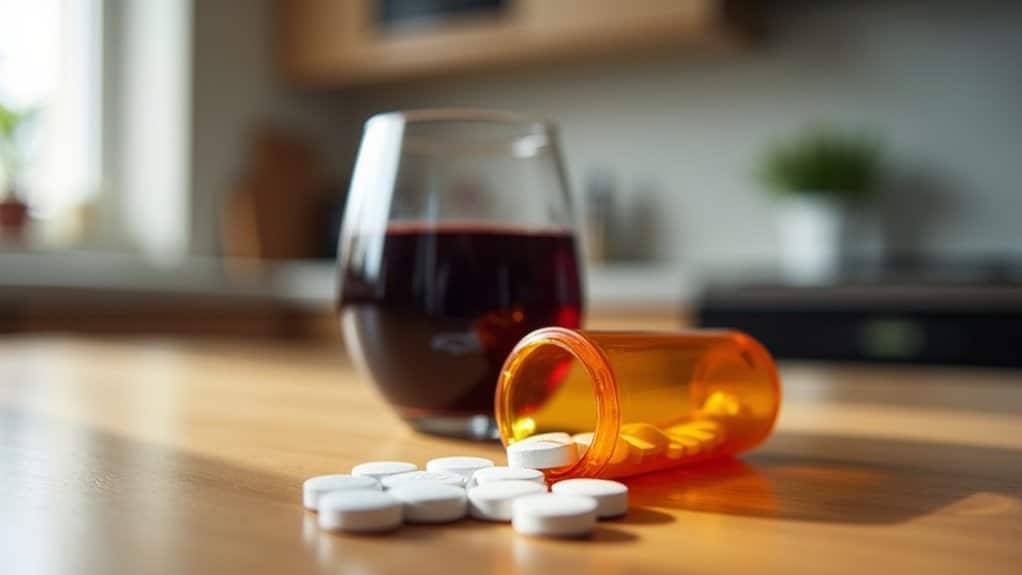
Moderate drinking can be safe on metformin if your kidney and liver function are normal, though caution still applies. Even then, moderate drinking isn’t risk-free, because alcohol can still contribute to hypoglycemia and destabilize your blood sugar control. To lower your risk, drink with food rather than on an empty stomach, since this reduces the chance of delayed low blood sugar. Avoid heavy or binge drinking entirely, as these patterns raise your risk of lactic acidosis. If you have kidney impairment, liver disease, heart or lung problems, or a history of lactic acidosis, moderate drinking carries added danger. Talk with your doctor before drinking to assess your individual risk factors.
How Does Heavy Drinking Undermine Diabetes Management
Heavy drinking undermines your diabetes management on several fronts. Heavy alcohol intake makes your blood glucose harder to predict, triggering both immediate and delayed swings rather than one consistent effect. It suppresses your liver’s release of stored glucose, raising your risk of delayed hypoglycemia, especially if you drink without food. Heavy drinking also disrupts the routines that keep your diabetes controlled.
- Adherence: Heavy drinking impairs your medication timing, dietary choices, and glucose monitoring.
- Side effects: Alcohol increases the odds of metformin-related complications, including lactic acidosis and hypoglycemia.
- Recognition: Intoxication can mask hypoglycemia symptoms, delaying your response.
Repeated or large-volume drinking compounds these effects, making poor blood sugar control increasingly likely over time.
Conclusion
Drinking alcohol while taking metformin can be risky, because the combination raises the chance of low blood sugar and a rare but serious condition called lactic acidosis. Occasional moderate drinking may be okay for some people, but heavy or binge drinking is especially dangerous and should be avoided. Talking with your doctor, drinking with food if you do drink, and watching for warning signs all help keep you safe. If alcohol has become hard to manage alongside your health, The Hope Institute in West Milford, NJ offers compassionate support to help you protect both your health and your future.
How to Find Support if You’re Struggling to Stop Drinking
Whether alcohol is affecting your sleep, your health, or your peace of mind, the right care team makes lasting recovery possible. At The Hope Institute in Butler, NJ, our compassionate team walks beside you through outpatient Alcohol Addiction Treatment with genuine care and safe, medically supported recovery. Call +1 (855) 659-2310 today and give yourself the fresh start you deserve.
Frequently Asked Questions
How Long After Drinking Should I Wait to Take Metformin?
There is no single official waiting time, so the safest guidance is to ask your doctor or pharmacist about your situation. As a general rule, avoid heavy or binge drinking with metformin, since alcohol raises the risk of lactic acidosis and low blood sugar. If you do drink, keep it moderate, have it with food, and space it out rather than taking metformin and alcohol together in large amounts. Watch for warning signs like nausea, dizziness, a rapid heartbeat, or extreme fatigue, and seek medical help if they appear.
Does the Type of Alcohol Affect Metformin Interaction Risks?
The amount of alcohol matters more than the type. What drives your risk is how much ethanol you consume, how often, and whether you drink on an empty stomach, not whether you choose beer, wine, or spirits. Heavy or binge drinking raises your lactic acidosis and hypoglycemia risk regardless of source. Sugary mixers can also complicate blood sugar control. Focus on limiting total intake and pairing drinks with food.
Can I Drink Alcohol on Metformin During Pregnancy?
You shouldn’t drink alcohol during pregnancy, regardless of metformin use. There’s no known safe amount of alcohol in pregnancy, since it raises risks of fetal harm, including developmental problems. Combining alcohol with metformin adds concerns like hypoglycemia and lactic acidosis, and it can destabilize your blood sugar control. Talk with your healthcare provider about managing your diabetes safely while pregnant, and avoid alcohol entirely to protect both you and your baby.
Should I Skip My Metformin Dose if I’m Drinking?
Don’t skip your metformin dose on your own just because you’re drinking. Stopping abruptly can worsen your blood sugar control, and self-adjusting isn’t a substitute for limiting alcohol. Instead, avoid heavy or binge drinking, eat with any alcohol you consume, and monitor for warning symptoms. If you’re unsure about timing your dose around alcohol, talk with your doctor first, especially if you have kidney disease, liver disease, or other complications.
Does Long-Term Alcohol Use Affect How Metformin Works?
Yes, long-term alcohol use can affect how metformin works. Heavy or frequent drinking damages your liver and kidneys, and since both organs handle metformin and lactate clearance, chronic use raises your risk of lactic acidosis. It also destabilizes your blood sugar control, making glucose harder to predict, and worsens adherence to diet, medication timing, and monitoring. If you’re a heavy drinker, talk with your doctor about safer options.