Yes, meth can cause urinary problems. It raises norepinephrine and stimulates alpha-adrenergic receptors, tightening your bladder neck and urethral sphincter. This can cause retention, urgency, frequency, and overflow leakage. Bowel incontinence isn’t well established as a direct effect, though meth’s impact on your autonomic system might alter bowel control. If you’re noticing changes, other causes deserve evaluation too. Understanding how these effects develop, and whether they’ll reverse, can help you make informed decisions ahead.
Key Takeaways
- Meth stimulates alpha-adrenergic receptors, tightening the bladder neck and urethral sphincter, causing urinary retention and overflow leakage.
- Common urinary symptoms include frequency, urgency, acute retention needing catheterization, and neurogenic bladder with chronic use.
- Bowel incontinence is not well established as a direct meth effect, though autonomic dysfunction could theoretically alter bowel control.
- Early cessation often reverses mild symptoms, but prolonged use risks lasting bladder dysfunction and kidney complications.
- Meth can also cause kidney injury, infection from incomplete emptying, constipation, and dehydration, warranting prompt medical evaluation.
Can Meth Cause Urinary and Bowel Incontinence
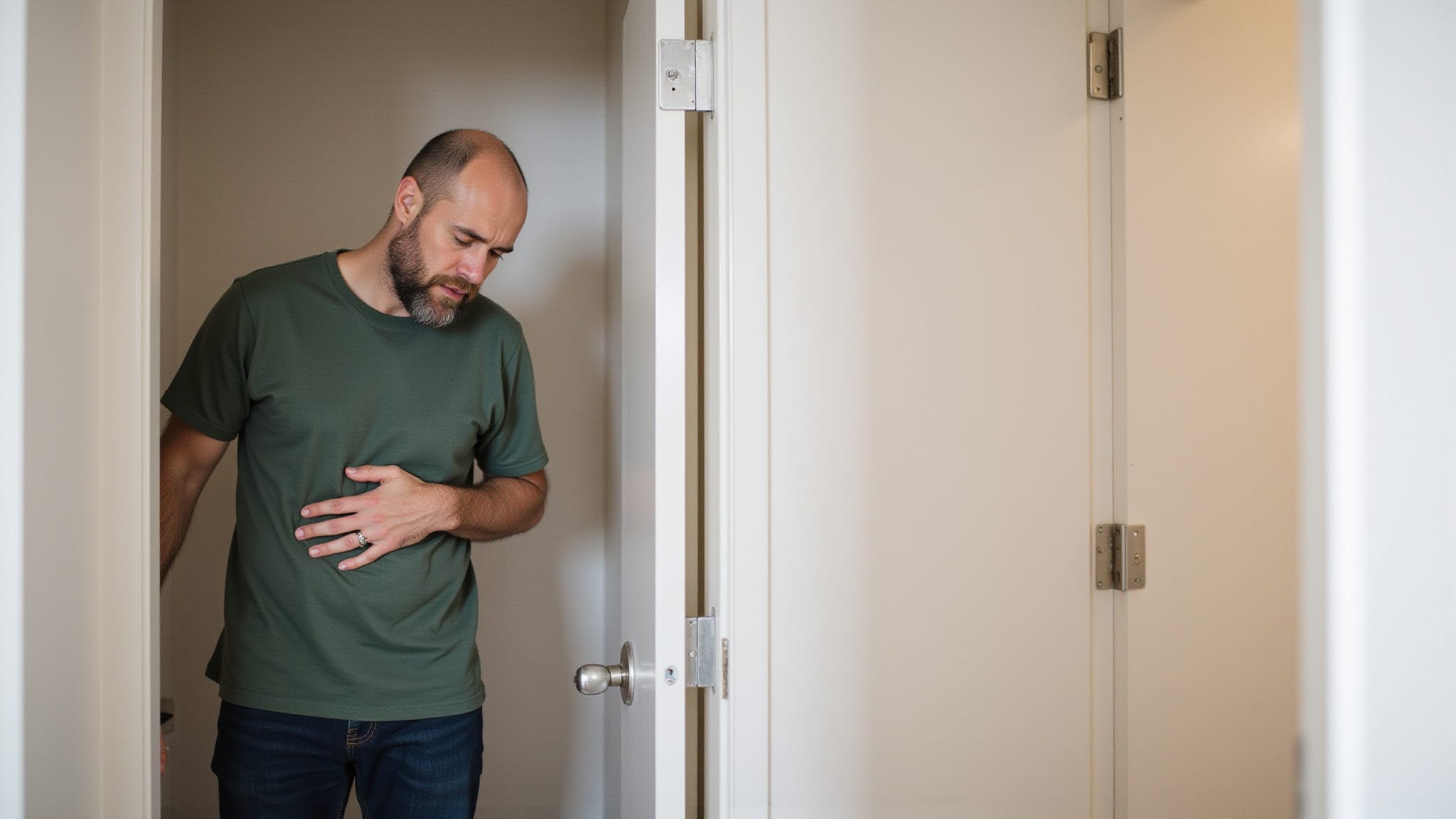
Meth can cause urinary incontinence, but bowel incontinence isn’t well established as a direct effect. Meth raises norepinephrine and stimulates alpha-adrenergic receptors, tightening your bladder neck and urethral sphincter. This can trigger urinary retention, where your bladder doesn’t empty fully, leaving residual urine behind. When your bladder overfills, overflow leakage may follow, so incontinence can appear even though the real problem is poor emptying.
You might also notice lower urinary tract symptoms like frequency, urgency, and voiding difficulty. Chronic use has been linked to neurogenic bladder and ongoing retention.
Bowel incontinence isn’t well established as a direct meth effect. The evidence points strongly toward urinary problems, so any bowel control issues deserve evaluation for other causes. Meth effects on dental plaque can lead to significant oral health issues. Studies have shown that individuals using meth may experience increased plaque accumulation and tooth decay.
How Does Meth Disrupt Bladder Control
Meth disrupts bladder control by flooding your system with norepinephrine and dopamine, triggering sympathomimetic effects that reach your bladder. This overstimulates your autonomic nervous system, and the excess norepinephrine activates alpha-1 receptors at your internal urethral sphincter. That stimulation tightens your bladder neck and sphincter, raising resistance to urine flow.
When your detrusor muscle can’t coordinate with sphincter relaxation, normal voiding breaks down, and you develop urinary retention with residual urine left behind. Over time, this bladder dysfunction can lead to overflow leakage, since an overfilled bladder eventually spills.
Chronic stimulant exposure may also contribute to neurogenic bladder and pathological dopaminergic effects on voiding. These mechanisms explain why meth disrupts your bladder control and when you’ll need evaluation. The effects of meth on the brain continue to be a topic of significant research and discussion. Studies indicate that chronic use of meth does meth cause brain damage, leading to cognitive impairments and emotional instability.
Why Does It Interfere With Bowel Function

Meth interferes with bowel function primarily through its effects on your nervous system, though this link is less well established than its effect on the bladder. Meth clearly disrupts the urinary tract, but it is a less common, less direct cause of bowel incontinence. Because meth affects your nervous system, broader autonomic dysfunction stays biologically plausible. Here’s what you should keep in mind:
- The strongest evidence links meth to urinary tract dysfunction, not bowel problems.
- No reviewed epidemiologic source flagged bowel incontinence as a meth-specific outcome.
- Autonomic dysfunction could theoretically alter bowel control, but direct data are limited.
- Any bowel control problem warrants assessment for other causes, neurologic disease, infection, intoxication, or co-occurring substance use.
Which Effects Are Reversible and Which Can Become Permanent
Some effects reverse and others become permanent depending largely on how early you stop and how much damage has already occurred. When you quit early, many lower urinary tract symptoms, urgency, frequency, and mild voiding difficulty, often improve as sympathetic overstimulation settles. Acute urinary retention, once relieved with catheterization, can resolve if you haven’t overstretched the bladder repeatedly.
| Often Reversible | Can Become Permanent |
|---|---|
| Early LUTS | Neurogenic bladder |
| Acute urinary retention | Chronic incomplete emptying |
| Mild storage symptoms | Bladder overdistension damage |
| Sphincter tone changes | Kidney complications |
Prolonged use is different. Repeated overdistension and nerve involvement can lead to neurogenic bladder and lasting dysfunction. Getting evaluated sooner gives you the best chance at recovery, so please don’t wait to seek help.
What Other Kidney and Digestive Problems Are Linked to Heavy Use

Heavy meth use can strain your kidneys and disrupt your digestive tract, though the evidence varies in strength. When urinary retention goes untreated, urine can back up and threaten your kidneys, raising your risk of serious complications. Meth use and foot swelling can also be indicative of underlying health issues that may require urgent attention. Users might experience fluid retention, leading to increased discomfort and risk of infection.
Here’s what heavy use can trigger:
- Kidney injury, when chronic urinary dysfunction and bladder overdistension impair drainage and blood flow.
- Infection, since incomplete emptying lets bacteria multiply and travel upward.
- Digestive slowing, as meth’s effect on your autonomic nervous system reduces gut motility and causes constipation.
- Appetite loss and dehydration, which concentrate urine and further stress your kidneys.
If you notice flank pain, fever, or reduced urination, seek prompt evaluation. These signs warrant attention before lasting damage develops.
When Should You See a Doctor
See a doctor when you notice lower urinary tract symptoms like frequency, urgency, voiding difficulty, or leakage. Don’t wait to seek care. These signs warrant evaluation for bladder dysfunction, especially if you’re using meth.
Notice frequency, urgency, or leakage? Don’t wait, these symptoms warrant evaluation for bladder dysfunction, especially if you’re using meth.
Urinary retention is a red flag. If you can’t empty your bladder, feel painful fullness, or produce little urine despite the urge, you need urgent medical assessment. Acute retention may require catheterization to relieve your bladder and prevent overdistension, infection, or kidney damage.
Certain symptoms demand immediate attention: incontinence paired with weakness, numbness, severe pain, fever, or confusion. These could signal neurologic or systemic problems beyond meth’s effects.
You deserve care without judgment. Reaching out early protects your bladder, kidneys, and overall health.
How to Find Treatment for Meth Addiction
Finding treatment for meth addiction starts with recognizing that you don’t have to navigate recovery alone. Effective care addresses both the addiction and its physical consequences, including urinary incontinence and other bladder complications linked to methamphetamine use. When you’re ready to seek help, consider these steps:
- Consult a physician who can screen for LUTS, urinary retention, and other treatment options for bladder dysfunction.
- Contact addiction specialists or a certified treatment center for medically supervised support.
- Explore behavioral therapies, such as cognitive-behavioral therapy and contingency management, shown to reduce stimulant use.
- Build a support network, including peer groups and family involvement.
Combining medical evaluation with structured addiction treatment gives you the best chance at lasting recovery and improved bladder health.
Conclusion
Meth use can lead to urinary and bowel incontinence, as the drug disrupts the nervous system, muscle control, and the body’s normal signals. These effects can be distressing and embarrassing, but they are a sign of the real physical toll meth takes, and they often improve as the body heals in recovery. Because incontinence can also stem from other conditions, a medical evaluation is important. You do not have to face these changes alone. If meth is harming your health, The Hope Institute in West Milford, NJ offers compassionate, whole-person treatment to help you reclaim control and wellbeing.
Reclaim Your Health From Meth Addiction
Meth takes a serious toll on your body, but professional care can help you heal both physically and mentally. At The Hope Institute in Newfoundland, NJ, our caring team offers compassionate outpatient Meth Addiction Treatment with warmth, patience, and a real belief in your recovery. Call +1 (855) 659-2310 today and let us walk with you toward brighter days.
Frequently Asked Questions
Can Prescription Stimulants Like Adderall Cause Similar Bladder Problems as Meth?
Yes, prescription stimulants like Adderall can potentially cause similar bladder problems, though typically to a milder degree than meth. They share the same mechanism, boosting norepinephrine and stimulating alpha-adrenergic receptors, which tightens your bladder neck and sphincter. This can lead to urinary retention, difficulty emptying, or urgency. If you’re experiencing these symptoms, don’t ignore them. Talk with your prescriber, since dose adjustments or additional evaluation may help relieve your discomfort.
Are Certain Age Groups More Prone to Meth-Related Bladder Issues?
Meth-related bladder problems are driven mainly by meth use itself rather than by age, so anyone who uses meth is at higher risk. Studies suggest meth users face roughly a four-fold higher risk of lower urinary tract symptoms. That said, older adults may notice these problems more, since age can already bring prostate changes in men, weaker pelvic-floor support in women, and other health conditions that add to bladder issues. Whatever your age, symptoms like frequency, urgency, retention, or leakage deserve prompt medical evaluation, and they often improve as meth use stops and the body heals.
Can Quitting Meth Cold Turkey Worsen Incontinence Temporarily?
It can for some people, at least for a short time. As the body readjusts its nervous system and dopamine activity after stopping meth, bladder control can shift, and symptoms like urgency, leakage, or retention may flare before they settle. For most people these effects ease as the body heals, but they should never simply be written off as withdrawal. If leakage, retention, or urgency appear or worsen after you quit, get evaluated, since persistent problems deserve proper care. Support for both recovery and any lingering urinary symptoms makes the transition easier.
Do Meth-Related Urinary Problems Affect Men and Women Differently?
There are some differences, though meth harms the urinary system in both men and women. Meth tightens the muscles that control the bladder, which can lead to urgency, retention, and leakage in anyone who uses it. Men may notice these effects layered on top of prostate-related issues, while women, who have shorter urethras and weaker pelvic-floor support after childbirth, can be more prone to urinary tract infections and stress leakage. Anatomy, hormones, and overall pelvic health all shape how symptoms appear. If you have frequency, urgency, or leakage, see a provider who can tailor care to you.