Yes, meth can leave your feet swollen and aching sharply. The drug constricts your blood vessels, cutting circulation to your extremities and letting fluid pool in your feet and ankles. This swelling often reflects deeper strain on your heart, kidneys, or liver, not just a local problem. Injection-site infections can worsen it, too. New or worsening swelling deserves prompt attention. Understanding what’s driving your symptoms can help you take the right next steps.
Key Takeaways
- Meth constricts blood vessels, reducing circulation and causing fluid to accumulate as painful swelling in the feet and ankles.
- Meth-related heart strain weakens pumping, backing fluid into the limbs and causing swelling alongside fatigue or shortness of breath.
- Meth can damage kidneys, impairing fluid filtration and leading to fluid buildup and swelling in the feet and legs.
- Vein injections may introduce bacteria, causing cellulitis or abscess with sharp pain, redness, warmth, and swelling.
- Seek emergency care for chest pain, breathlessness, spreading redness, fever, or dark urine with intense muscle pain.
Can Meth Cause Your Feet to Swell
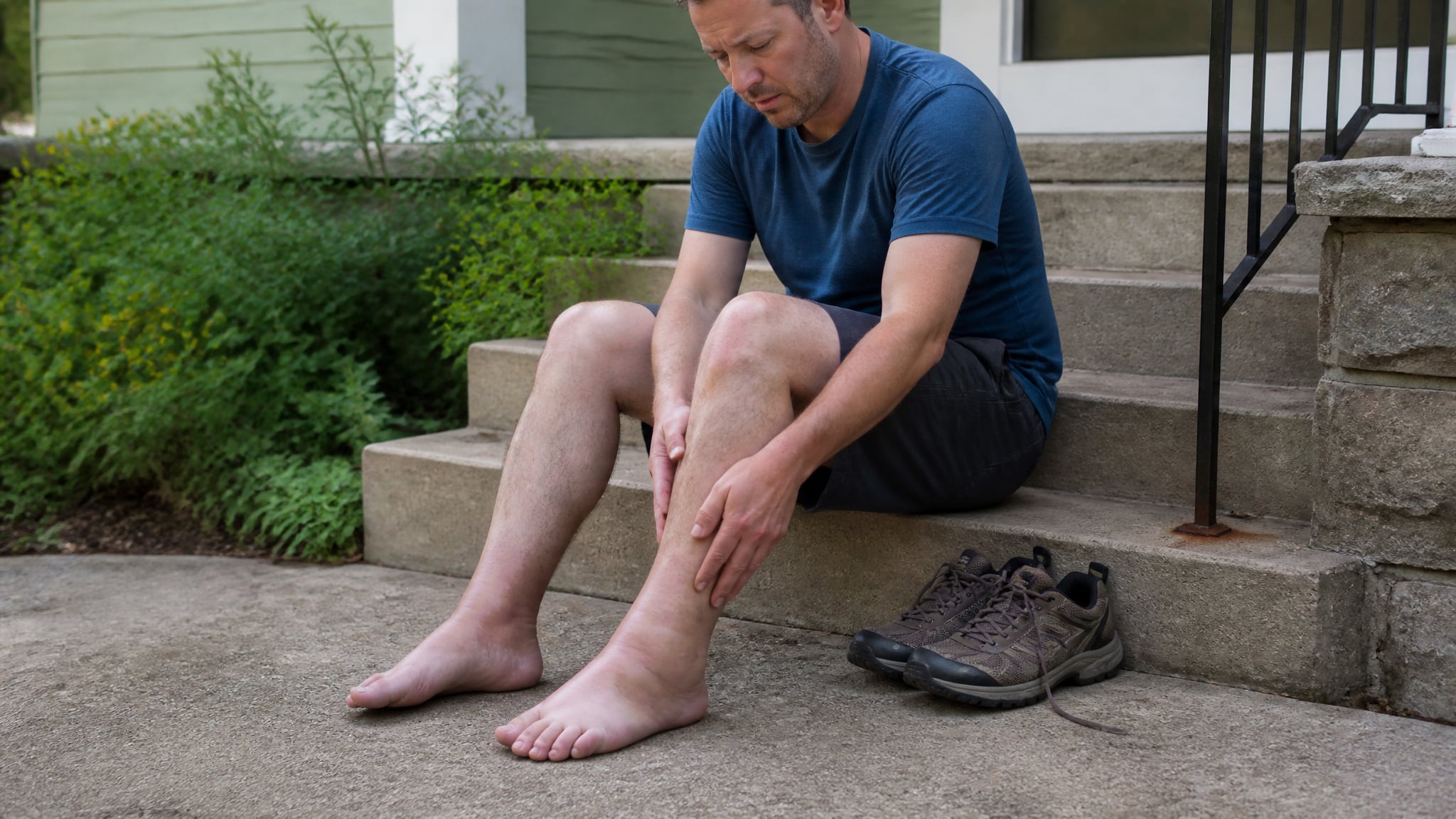
Yes, meth can cause your feet to swell, though the swelling isn’t always a simple side effect. Methamphetamine constricts your blood vessels, reducing circulation to your extremities, which can trap fluid and lead to peripheral edema in your ankles, feet, and legs. Sometimes this swelling reflects a foot-specific problem, but often it signals something deeper. Meth can strain your heart, kidneys, and liver, and swollen feet may point to systemic fluid overload rather than a localized issue. In serious cases, meth-related heart failure causes fluid to pool in your lower extremities. That’s why new, substantial, or worsening swelling deserves attention. Your body might be telling you that meth is affecting more than just your feet. It could be affecting vital organs too.
How Does Heart Damage From Meth Lead to Swelling
Heart damage from meth leads to swelling because the weakened heart can’t pump blood efficiently, causing fluid to back up and settle in your feet. Meth’s cardiovascular effects strain your heart muscle, and over time that stress can weaken how well it pumps blood. When your heart can’t move blood efficiently, fluid backs up and settles in your feet, ankles, and legs, driven by higher pressure in your veins. That’s why you might notice new or worsening swelling, sometimes with fatigue or shortness of breath. Meth is also linked to heart failure and pulmonary arterial hypertension, both of which push fluid into your lower extremities. If you’re seeing swollen feet alongside breathing trouble or sudden weight gain, don’t wait, these signs point to your heart needing urgent medical attention.
Can Kidney Problems From Use Cause Fluid Retention

Kidney problems from meth use can absolutely cause fluid retention, and the mechanism is closely tied to how your kidneys regulate fluid balance. When meth damages your kidneys, they can’t filter and excrete fluid efficiently, so excess fluid builds up in your tissues. This often shows up as swelling in your feet, ankles, and legs. Severe meth toxicity can trigger kidney failure, sometimes alongside rhabdomyolysis, where muscle breakdown releases proteins that overwhelm your kidneys and darken your urine. As fluid accumulates, hydrostatic pressure rises, pushing more fluid into your lower extremities. If you’re noticing persistent swelling, aching, or changes in your urine, don’t wait, these signs point to systemic involvement that needs prompt medical evaluation to protect your kidney function and overall health.
Can Injection-Site Infections Play a Role
Yes, injection-site infections can play a role in swollen, aching feet, especially if you’ve been injecting meth into veins in your lower extremities. When you inject, you can introduce bacteria through the skin, setting the stage for cellulitis, abscesses, or deeper soft tissue infections. Poor circulation from meth’s vessel-constricting effects makes it harder for your body to fight these infections and heal damaged skin.
Watch for redness, warmth, tenderness, pus, or fever alongside the swelling. These signal an active infection that needs prompt care. In severe cases, an untreated infection can progress to necrotizing fasciitis, a life-threatening emergency. If you notice worsening pain, spreading redness, or systemic symptoms like fever, don’t wait. Getting evaluated quickly protects your feet and your overall health.
When Is Swelling in the Feet or Legs an Emergency

Swelling in the feet or legs becomes a medical emergency when it points to something systemic or infectious. If your feet swell alongside shortness of breath, chest discomfort, fatigue, or sudden weight gain, your heart or lungs may be involved, seek care immediately. Redness, warmth, fever, or skin breakdown suggests cellulitis or a deeper infection, and severe pain with rapidly spreading swelling can signal necrotizing fasciitis, a life-threatening emergency. Dark urine with intense muscle pain and weakness may indicate rhabdomyolysis, which can damage your kidneys. Don’t wait when swelling appears suddenly, worsens quickly, or affects both legs. These overlapping causes are dangerous, and getting evaluated promptly can protect your circulation, organs, and life.
How Long Do Your Feet Take to Recover After Quitting
Your feet can recover in days to weeks after quitting, though it depends on what’s actually driving your foot swelling and pain. If poor circulation from vessel constriction is the cause, you may notice improvement within days to weeks as blood flow normalizes. Deeper damage takes longer, and some complications need ongoing treatment.
| Underlying Cause | Typical Recovery Window | What Helps |
|---|---|---|
| Vessel constriction | Days to weeks | Abstinence, hydration |
| Peripheral edema | Weeks to months | Elevation, medical care |
| Skin sores/ulcers | Weeks to months | Wound care, infection control |
| Heart/kidney damage | Months or ongoing | Specialist management |
| Nerve tingling | Weeks to months | Time, monitoring |
Be patient with yourself. Healing isn’t always linear, and if your symptoms don’t improve or worsen, you’ll need a medical evaluation to rule out lasting organ damage.
Conclusion
Meth use can leave your feet swollen and aching, often because the drug narrows blood vessels, strains circulation, and puts stress on the heart and body. This kind of pain and swelling can be an early warning that meth is harming your health in ways that reach far beyond the moment. Because swelling can also point to other medical problems, it is worth having a doctor evaluate it. The body can recover once meth use stops and proper care begins. If meth is affecting your health, The Hope Institute in West Milford, NJ offers compassionate treatment to help you heal.
How to Find Treatment for Meth Addiction
Meth takes a serious toll on your body, but professional care can help you heal both physically and mentally. At The Hope Institute in Newfoundland, NJ, our caring team offers compassionate outpatient Meth Addiction Treatment with warmth, patience, and a real belief in your recovery. Call +1 (855) 659-2310 today and let us walk with you toward brighter days.
Frequently Asked Questions
Can Dehydration From Meth Use Worsen Foot Swelling and Pain?
Yes, dehydration can worsen your foot swelling and pain. When you’re dehydrated, your body may retain fluid and shift it into tissues, which can increase swelling in your feet and ankles. Dehydration also strains your circulation and kidneys, making pain and discomfort feel sharper. If meth use has left you dehydrated with worsening swelling, please seek medical care, since several serious causes can overlap and need urgent evaluation.
Does the Type of Meth Affect Foot Symptoms?
The type of meth you use isn’t the main driver of your foot symptoms, the underlying mechanisms matter more. Whether you smoke, inject, or snort, meth constricts blood vessels, reduces circulation, and can trigger edema regardless of form. Injecting does add extra risk, though, since it can directly damage veins and introduce infection. If your swelling and pain are worsening or sharp, please get evaluated, several dangerous causes overlap here.
Are Compression Socks Safe to Use for Meth-Related Swelling?
Compression socks can help mild swelling, but they aren’t automatically safe for you. If your swelling comes with poor circulation, skin breakdown, ulcers, or possible infection, compression might worsen tissue damage or trap infection. They’re also risky if heart, kidney, or circulatory problems are driving the swelling. Please get evaluated first, a clinician can check your circulation and skin, then tell you whether compression’s appropriate for your specific situation.
Can Foot Swelling From Meth Cause Permanent Nerve Damage?
Yes, it’s possible. When swelling and poor circulation persist, they can compress or starve your nerves, potentially leading to lasting damage. You might notice tingling, numbness, or burning in your toes, warning signs worth taking seriously. Meth-related vessel constriction and fluid buildup both threaten nerve health over time. Don’t wait it out; getting evaluated early gives you the best chance to protect sensation and prevent permanent harm. You deserve that care.
Does Quitting Alcohol Alongside Meth Improve Foot Swelling Faster?
Quitting both can help your foot swelling improve faster, since alcohol contributes to fluid retention and can strain your heart, liver, and kidneys, the same organs meth damages. When you stop both, you’re reducing the combined burden causing edema. Still, you’ll want medical evaluation, because swelling that’s severe, one-sided, or paired with breathing trouble may signal something dangerous. Recovery’s rarely instant, but removing these stressors genuinely gives your body a real chance to heal.