No, meth can’t eat plaque off your teeth. What you’re seeing isn’t cleaning, it’s enamel erosion and rapid decay. Meth reduces your salivary flow (xerostomia), which strips away your mouth’s natural cleansing and buffering action. Add neglected hygiene, sugary drinks, and jaw grinding, and your teeth deteriorate fast. That smoother or “cleaner” appearance is actually demineralization, not plaque removal. Understanding how this destruction really unfolds reveals why “meth mouth” progresses so quickly.
Key Takeaways
- No, meth does not eat or dissolve plaque; it accelerates enamel erosion, decay, and tooth loss instead.
- The apparent “cleaning” effect is actually demineralization and enamel breakdown, not plaque removal.
- Meth mouth is a rapid deterioration syndrome causing blackened, crumbling teeth and advanced gum disease.
- Reduced saliva (xerostomia), neglected hygiene, and sugary drinks drive the severe, fast decay.
- Damage progresses over weeks to months, but early dental care can repair much of it.
Can Meth Eat Plaque Away on Your Teeth
Meth doesn’t eat plaque off your teeth in any beneficial or cleansing way. Plaque is a soft, sticky bacterial film that accumulates on your teeth and hardens into tartar when you don’t remove it. Meth doesn’t dissolve this film. Instead, it creates conditions that let plaque-related disease worsen. During prolonged intoxication, you’re likely to neglect brushing and flossing, so plaque and sugary residue stay on your teeth longer. What you might perceive as material being “eaten” away is actually enamel erosion and dental decay, not plaque dissolution. The pattern known as meth mouth reflects a deterioration syndrome, not a cleaning effect. The evidence points to rapid damage, decay, erosion, and tooth loss, rather than any plaque removal.
Where Did This Myth Come From
The myth came from observers confusing demineralization with a scrubbing action, since meth’s stimulant properties can trigger compulsive behaviors like jaw grinding. You’ve probably seen the misinterpretation firsthand. When enamel erosion and rapid decay strip away tooth structure, the surface can temporarily look different, sometimes mistaken for a “cleaning” effect. In reality, you’re witnessing active dental damage, not plaque removal. Some users report a “smooth” sensation, but that’s eroded enamel, not improved oral health. Anecdotal reports circulated online amplified this misunderstanding, framing destruction as benefit. Clinically, the evidence contradicts the claim entirely: meth accelerates decay through xerostomia and neglected hygiene. You’re seeing deterioration, not maintenance, and the distinction matters.
What Is Meth Mouth
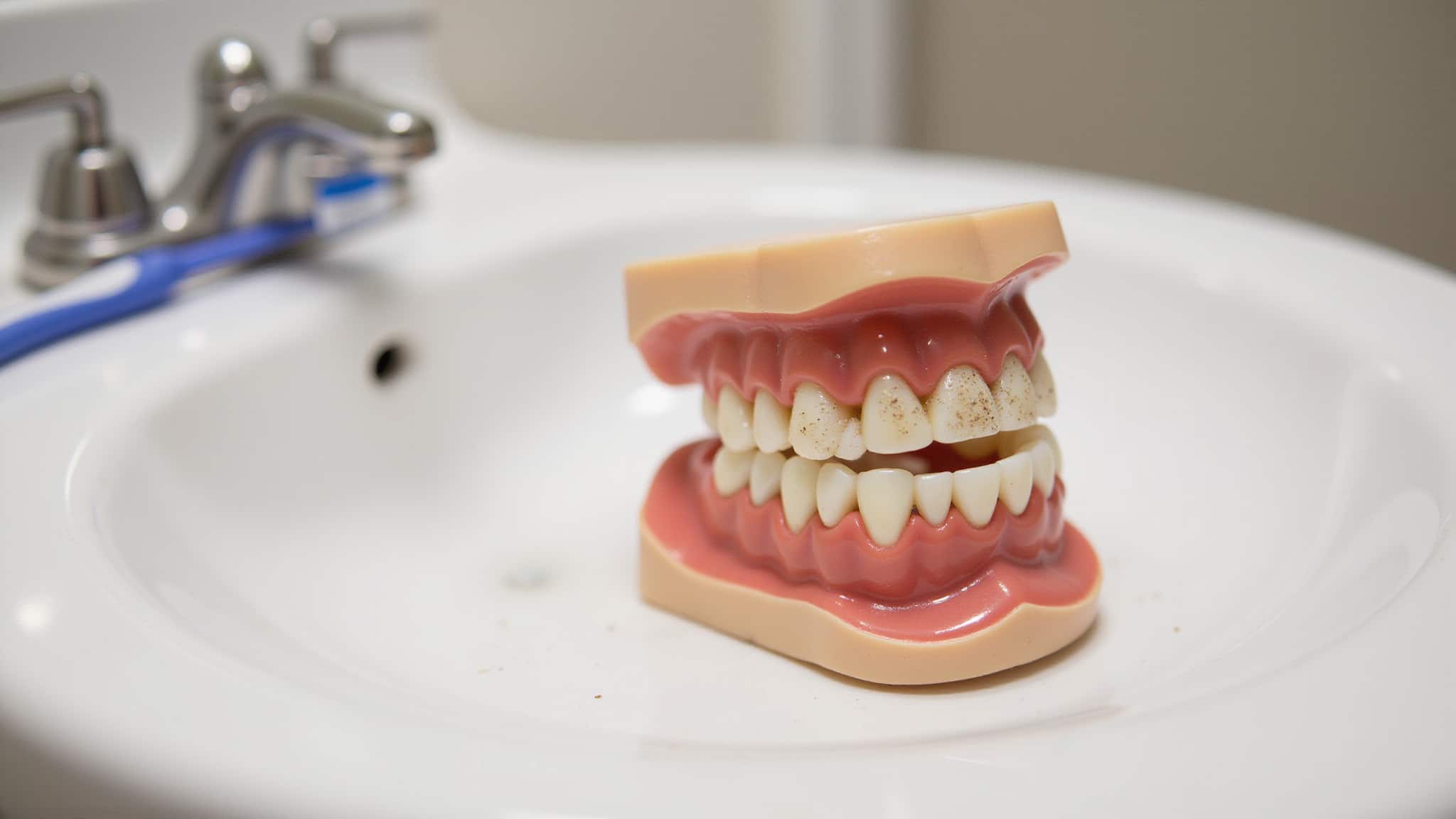
Meth mouth is a dental deterioration syndrome that develops in methamphetamine users, characterized by rapid tooth decay, enamel erosion, gum disease, and eventual tooth loss. Notice that this term describes destruction, not cleaning. When you use meth, you don’t strip plaque from your teeth, you accumulate it. The drug decreases salivary flow, producing xerostomia that eliminates your mouth’s natural buffering and cleansing action. Combined with neglected oral hygiene, frequent sugary or carbonated beverages, and bruxism, this creates conditions where plaque-related disease accelerates. You’ll typically see blackened, crumbling teeth and advanced periodontal disease rather than clean enamel. The ADA attributes meth mouth to drug-induced psychological and physiological changes acting together. So the syndrome represents multifactorial decay progression, directly contradicting any notion that meth dissolves plaque beneficially. Meth-related brain damage can also impact a user’s ability to maintain proper oral hygiene. Cognitive impairments may lead to neglecting regular dental care, further exacerbating the deterioration noted in meth mouth.
What Actually Causes the Severe Tooth Decay
Severe tooth decay in meth users is driven by behavioral factors, not direct chemical action. Methamphetamine reduces salivary flow, causing xerostomia that strips your mouth of its natural buffering and cleansing action. Without adequate saliva, you lose protection against acids, and decay accelerates. Compounding this, you often neglect brushing and flossing during highs lasting several hours to 12 hours, letting plaque and sugars linger. Cravings for sugary or carbonated beverages introduce acids that demineralize enamel. Bruxism, or teeth grinding, adds mechanical damage. A published review found that mode of intake and frequency matter less than these behaviors, contradicting claims that smoke exposure alone explains the severity. The ADA attributes meth mouth to combined psychological and physiological changes, confirming a multifactorial, behavior-driven cause. Severe skin issues also plague meth users, as the drug significantly alters skin health. Why meth causes skin sores is linked to reduced blood flow and poor hygiene, which are common during usage.
What Are the Stages of Damage Over Time

Meth mouth progresses rapidly, with deterioration accelerating within weeks, not years, as reduced salivary flow and neglected hygiene compound damage. The progression follows predictable stages driven by xerostomia, sugary intake, and bruxism rather than any plaque-dissolving mechanism. Urinary and bowel problems from meth can lead to additional health complications, further complicating recovery efforts. Addressing these issues is crucial for a comprehensive treatment plan that supports overall well-being.
| Stage | Timeframe | Clinical Findings |
|---|---|---|
| Early | Weeks | Dry mouth, plaque accumulation |
| Moderate | 1 to 3 months | Enamel demineralization, initial cavities |
| Advanced | 3 to 6 months | Blackened teeth, gum disease |
| Severe | 6 to 12 months | Crumbling teeth, abscesses |
| End-stage | 1 to 2 years | Multiple missing teeth |
Your progression rate depends on use frequency, diet, oral hygiene, and dental access. Injecting users often show the most severe damage, though route matters less than behavioral factors. Early intervention slows this cascade significantly.
Can a Dentist Repair the Damage
Yes, a dentist can repair much of the damage, but the treatment’s scope depends on how far the deterioration has progressed. If you catch it early, you’re looking at fluoride applications, remineralizing treatments, and professional cleanings that control decay before it spreads. As cavities form, you’ll need fillings or crowns to restore compromised teeth. Once decay reaches the pulp, root canals become necessary, and severely crumbled or blackened teeth often require extraction. When you’ve lost multiple teeth, restorative options include bridges, dentures, or implants. However, none of this holds up if you don’t address the underlying cause. Since methamphetamine drives the xerostomia and behavioral neglect behind the damage, you’ll need substance-use treatment alongside dental care to keep repairs from failing.
Conclusion
Meth does not clean teeth, it destroys them, and the rapid, severe decay often called meth mouth comes from dry mouth, acidic chemicals, teeth grinding, poor hygiene, and heavy sugar cravings. What can look like plaque falling away is actually enamel and teeth breaking down at an alarming rate. The damage is serious, but stopping meth use and getting dental and medical care can prevent further harm and begin to restore your health. If meth is affecting your body and your smile, The Hope Institute in West Milford, NJ offers compassionate treatment to help you reclaim your health.
How to Find Treatment for Meth Addiction
Meth takes a serious toll on your body, but professional care can help you heal both physically and mentally. At The Hope Institute in Newfoundland, NJ, our caring team offers compassionate outpatient Meth Addiction Treatment with warmth, patience, and a real belief in your recovery. Call +1 (855) 659-2310 today and let us walk with you toward brighter days.
Frequently Asked Questions
Does Meth Mouth Affect All Users the Same Way?
No, meth mouth doesn’t affect all users identically. Your outcomes depend on multiple variables: frequency of use, oral hygiene habits, diet, and access to dental care. If you’re consuming sugary beverages, neglecting brushing, or grinding your teeth, you’ll experience faster deterioration. Research shows behavioral factors outweigh your route of administration, smoking, snorting, and injecting produce comparable caries risk. Your salivary flow, hydration, and existing dental health also determine severity and progression speed.
Can Chewing Gum Help Protect Teeth During Meth Use?
Yes, sugar-free gum can offer partial protection. When you chew, you stimulate salivary flow, which directly counteracts the xerostomia meth induces. That increased saliva improves your mouth’s natural buffering and cleansing action, reducing decay risk. Choose gum containing xylitol, since it inhibits cariogenic bacteria. However, don’t rely on this alone, it won’t offset poor hygiene, sugary drinks, or bruxism. You’ll still need brushing, flossing, hydration, and professional dental care.
Are Children of Meth Users at Higher Dental Risk?
Yes, children of meth users often face elevated dental risk. You’ll find several contributing factors: neglected pediatric oral hygiene, reduced access to dental care, and diets high in sugary beverages within affected households. Prenatal meth exposure can also compromise enamel development. If you’re concerned about a child’s oral health, prioritize regular brushing, fluoride treatments, and professional cleanings. Consider substance-use support through the SAMHSA National Helpline at 1-800-662-HELP (4357) for family intervention.
Does Quitting Meth Reverse Existing Tooth Damage?
No, quitting won’t reverse existing tooth damage. Once your enamel erodes or teeth decay, crumble, or fall out, those structural losses are permanent and can’t regenerate. However, quitting does halt further deterioration. You’ll restore normal salivary flow, reducing xerostomia and slowing new decay. You can then benefit from restorative dental work, fillings, crowns, or implants, plus fluoride and remineralizing treatments. Early intervention protects remaining teeth, but it won’t undo what’s already destroyed.
Can Prescription Amphetamines Cause Similar Dental Problems?
Yes, prescription amphetamines can cause similar dental problems, though typically less severe. You’ll face dry mouth (xerostomia) as the primary mechanism, since these medications reduce salivary flow and diminish your mouth’s natural cleansing and buffering action. That raises your decay and periodontal disease risk. You might also experience bruxism, compounding enamel wear. The severity’s generally lower than methamphetamine’s because you’re using controlled doses without the associated neglect and sugary-drink behaviors.