If you use meth, you often feel formication, a crawling, bugs-under-the-skin sensation known as “meth mites.” These tactile hallucinations trigger compulsive scratching and picking, turning minor irritation into open wounds. Meanwhile, meth narrows your blood vessels, reducing oxygen and nutrients your skin needs to repair itself. Your immune system weakens, and infections set in, so sores heal slowly and painfully. Paranoia and malnutrition make everything worse. Understanding each factor can help you heal.
Key Takeaways
- Meth triggers formication, a crawling “bugs-under-the-skin” sensation that drives compulsive scratching, picking, and digging at the face.
- Constant picking converts minor irritation into open wounds, scabs, and painful lesions clustered around the mouth, cheeks, and forehead.
- Meth narrows blood vessels, reducing oxygen and nutrients to wounds, which delays tissue repair and prolongs sore healing.
- Weakened immune function and poor hygiene allow bacteria to infect sores, causing swelling, redness, pus, and warmth.
- Malnutrition deprives skin of essential proteins, vitamins, and minerals, worsening fragility and slowing overall wound recovery.
Why Do Meth Addicts Have Sores on Their Face
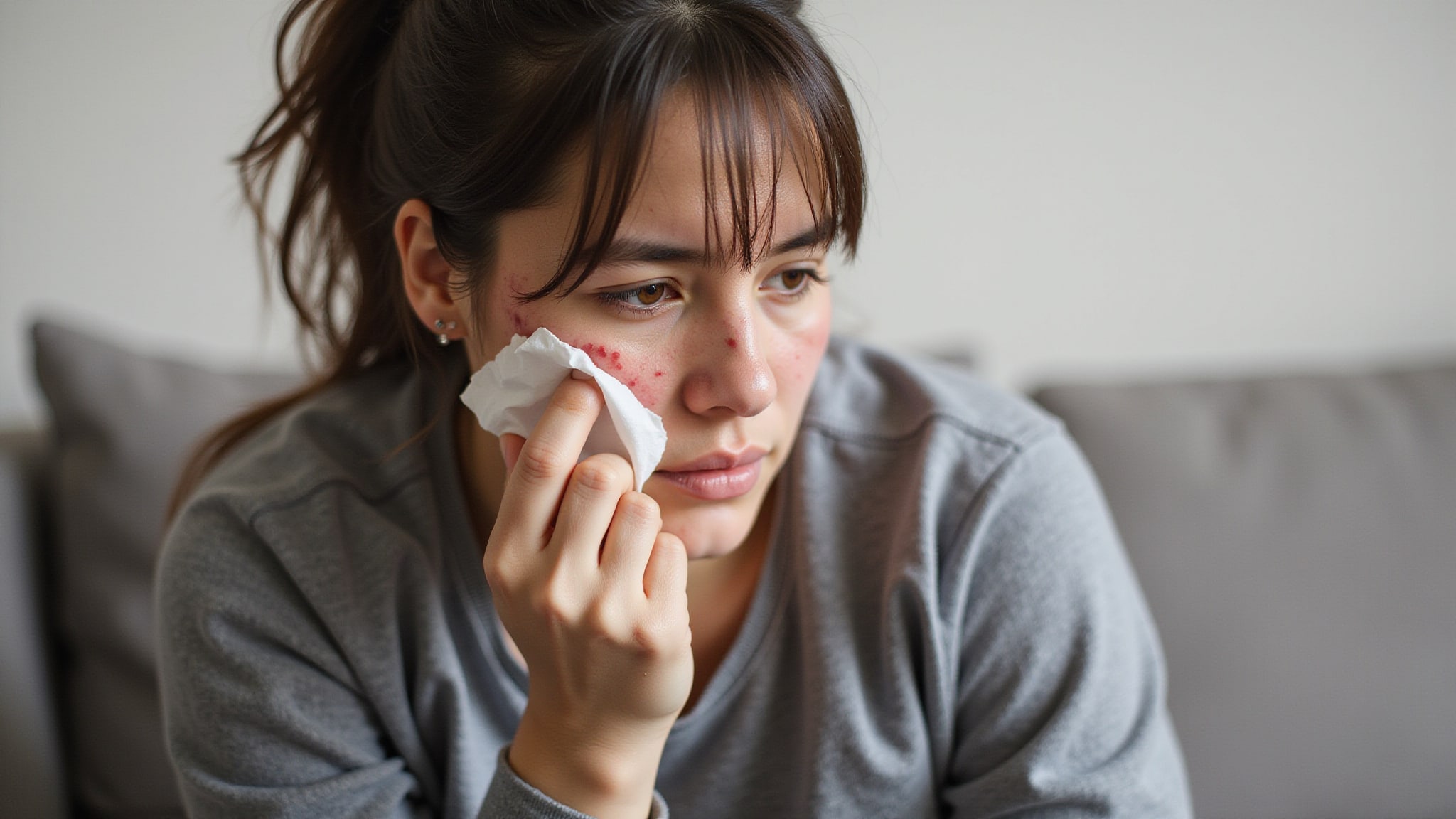
Meth addicts develop sores on their face because of a symptom called formication, a crawling, bugs-under-the-skin sensation the drug commonly triggers. When you feel this, you’re driven to scratch and pick relentlessly, often at your face. This compulsive skin picking turns minor irritation into open wounds, scabs, and lasting sores. Meth abuse also leads to concerning dental issues, and many users experience severe decay and tooth loss. The drug significantly alters oral hygiene, causing a surge in bacteria that contributes to how meth affects teeth and plaque.
You’re not simply battling a skin disease. Most of these injuries are self-inflicted, made worse by paranoia, anxiety, and tactile hallucinations sometimes called “meth bugs.” These sensations feel intensely real, so the urge to keep picking rarely stops.
Understanding this helps you see the sores for what they are: a treatable consequence of meth’s effects on your nervous system, not a personal failing. There are many misconceptions about the impacts of meth on the brain. For instance, the question can meth cause holes in the brain often arises in conversations about its long-term effects.
What Is Formication and Why Does It Trigger Picking
Formication is the medical term for that crawling, bugs-under-the-skin sensation meth so often triggers. You might feel like insects are moving across or beneath your skin, even though nothing’s actually there. These tactile hallucinations, sometimes called “meth mites” or “meth bugs,” can feel intensely real, and meth-related paranoia and anxiety only sharpen that urge to respond.
When you feel something crawling, scratching seems like the obvious relief. So you pick, scratch, and dig at your face trying to stop the sensation. The problem is, the bugs aren’t real, but the damage is. Repeated picking turns minor irritation into open sores and scabs.
Formication drives this behavior, and the sores you’re seeing are often self-inflicted responses to a hallucinated sensation.
Why Do the Sores Heal So Slowly
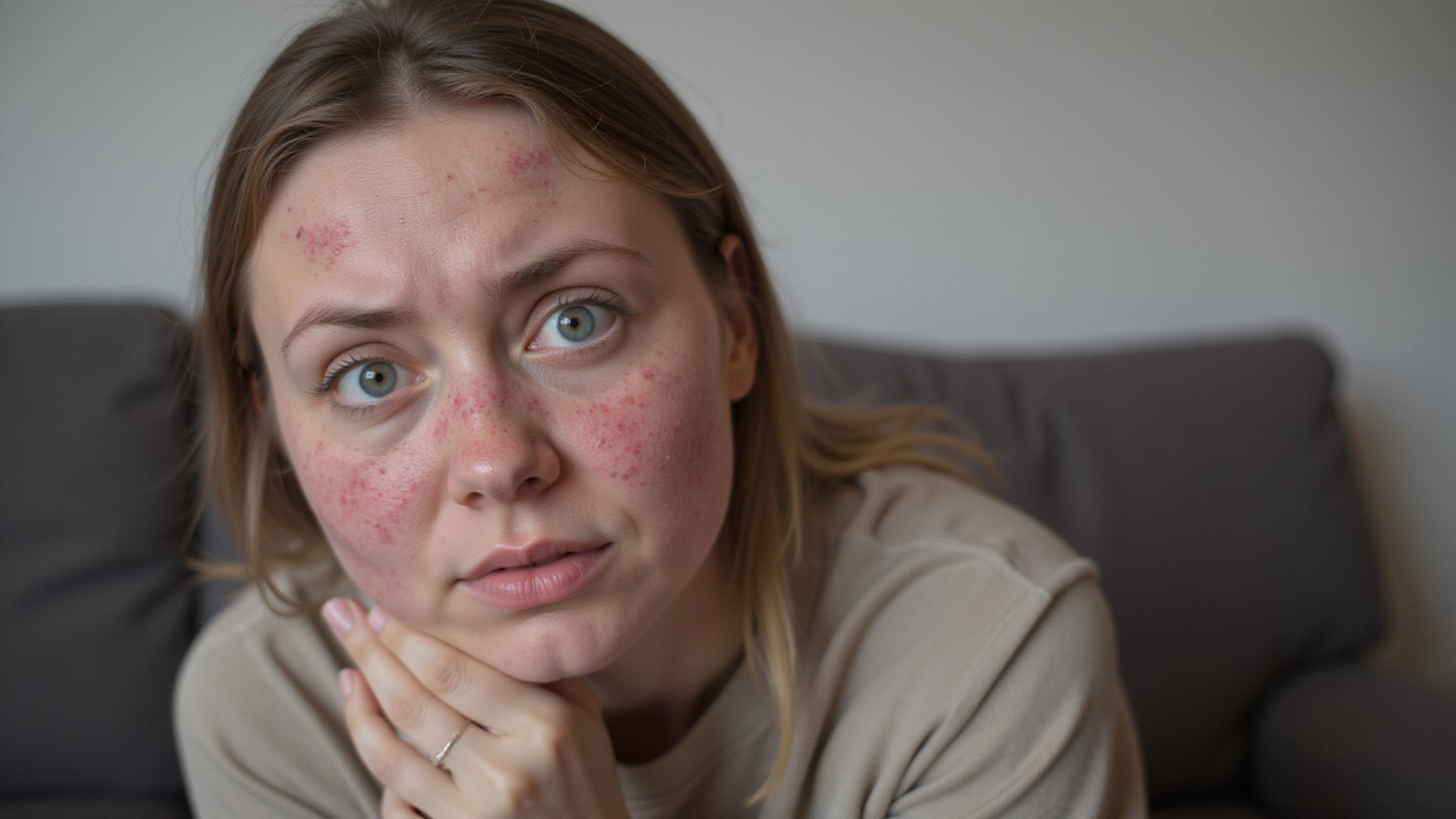
Sores heal slowly because meth works against your skin’s ability to repair itself, even after you stop picking. The drug narrows your blood vessels, so less oxygen and fewer nutrients reach damaged tissue. Wounds that would normally close in days can stay open for weeks.
Several factors slow your healing:
Meth attacks healing from three directions at once: cutting blood flow, weakening immunity, and starving skin of vital nutrients.
- Vasoconstriction reduces blood flow, starving lesions of the oxygen and nutrients they need to rebuild.
- Immune suppression weakens white blood cell function, letting bacteria take hold and turning minor sores into infected, slow-healing wounds.
- Malnutrition deprives your skin of the protein, vitamins, and minerals essential for tissue repair.
When these forces combine, even small injuries linger. Understanding this can help you recognize that recovery often requires addressing your body’s underlying needs.
What Do Meth Sores Look Like
Meth sores typically appear as small red bumps, scabs, or open lesions clustered on the face, often around the mouth, cheeks, and forehead. You’ll often notice them at various stages of healing, since ongoing picking reopens wounds before they close. Some look like acne-type breakouts, while others become crusted scabs or raw, weeping ulcers. When infection sets in, you might see swelling, redness, pus, or warmth around the lesion. Around the mouth, you may find burns from hot pipes. The skin between sores often appears dry, cracked, or fragile. Because circulation and healing are impaired, these lesions tend to linger and worsen. If you’re seeing these signs, they signal skin that needs care and attention.
What Other Skin Problems Come With Long-Term Use
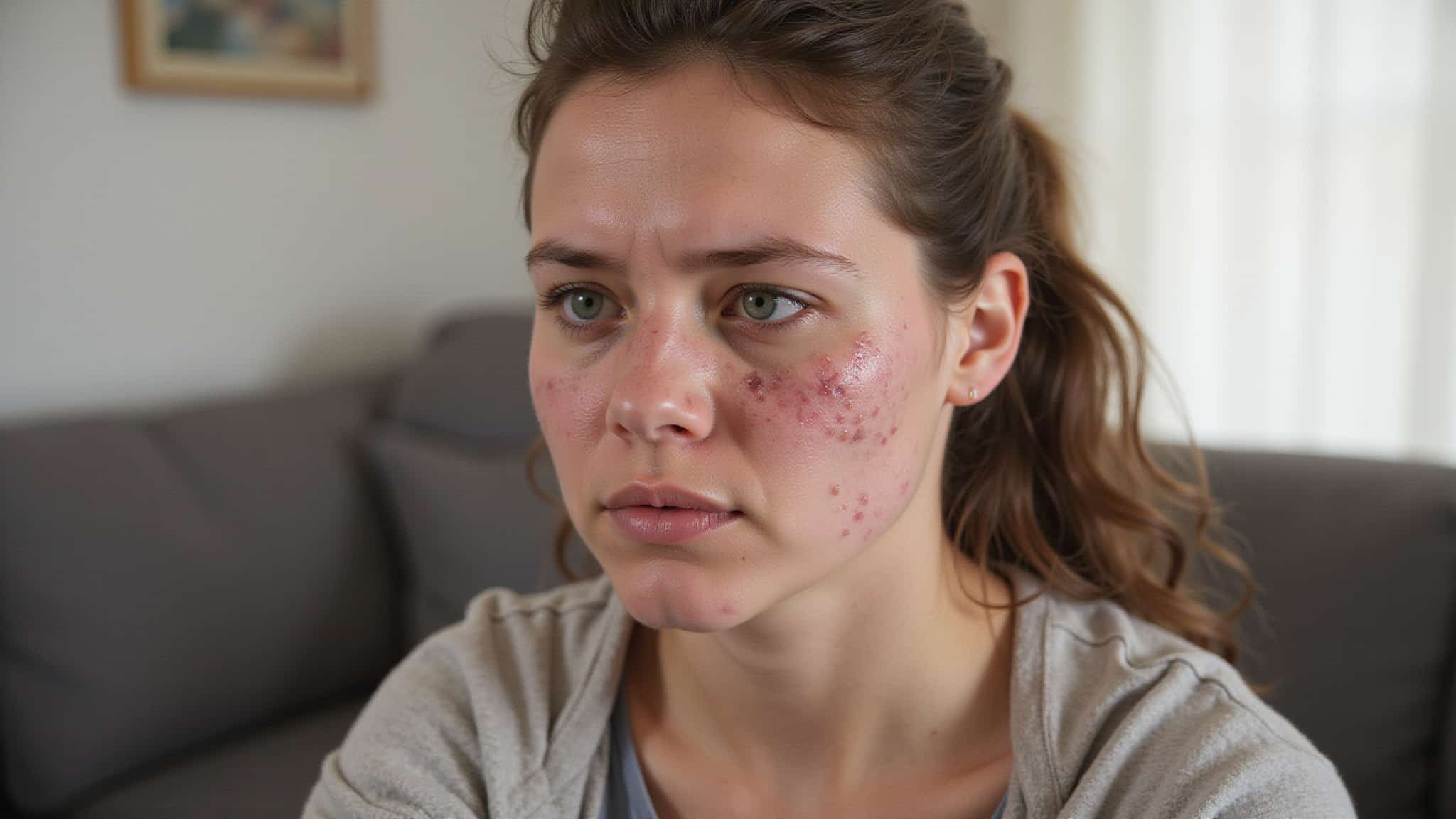
Long-term meth use causes persistent dryness, recurrent acne, and frequent infections alongside the visible sores. As blood vessels narrow, reduced circulation leaves your skin dry, fragile, and slow to repair itself. Combined with poor hygiene and malnutrition, this creates conditions where multiple problems develop at once. Stopping hair loss from meth use can be a challenging process. It often requires a comprehensive approach that includes better nutrition, hydration, and regular scalp care.
You may notice several ongoing changes:
- Persistent dryness and cracking, vasoconstriction limits oxygen and nutrients, so your skin becomes brittle and splits easily.
- Recurrent acne and irritation, declining hygiene and clogged pores trigger repeated breakouts that often become picked open.
- Frequent infections, weakened white blood cell function lets minor breaks turn into painful, pus-filled lesions.
These issues compound one another, making your skin harder to heal without support and medical care.
How Long Does Skin Take to Recover After Quitting
Skin typically takes anywhere from a few weeks to several months to recover after quitting, depending on how much damage you’ve accumulated and how well you support the healing process. When you stop, your blood vessels widen again, restoring the oxygen and nutrients your skin needs to repair. Minor sores often close within a few weeks, while deeper, infected, or repeatedly picked lesions can take months.
| Recovery Factor | Effect on Healing |
|---|---|
| Improved blood flow | Speeds tissue repair |
| Stopping picking | Prevents reopening wounds |
| Better nutrition | Strengthens skin integrity |
| Treated infections | Reduces scarring risk |
| Consistent hygiene | Lowers reinfection |
You’ll heal faster when you address these factors together. Be patient. Scarring may remain, but your skin’s condition typically improves steadily with sustained recovery.
How to Find Treatment for Meth Addiction
To find treatment for meth addiction, reach out for professional help that addresses your brain, body, and behavior. Meth addiction affects all three, so effective care must treat each one. Getting professional help gives you the best chance at recovery and prevents further skin damage from picking, infection, and poor healing. Healing your skin is one benefit of quitting, but lasting recovery starts with treating the addiction itself.
Recovery from meth addiction means treating your brain, body, and behavior, professional help gives you the best chance to heal.
When you’re ready to find treatment, consider these options:
- Talk to a healthcare provider who can assess your needs and refer you to appropriate care.
- Explore behavioral therapy programs, such as cognitive behavioral therapy or contingency management, which show strong evidence for meth recovery.
- Contact a treatment helpline for confidential guidance on local resources.
You don’t have to face this alone. Support is available.
Conclusion
The painful facial sores linked to meth use come from a mix of causes, including compulsive skin picking, poor circulation, a weakened immune system, dry skin, and neglected hygiene during periods of heavy use. These sores are more than a cosmetic problem, they are a visible sign of the deeper harm meth does to the body. The encouraging news is that skin often begins to heal once meth use stops and proper care returns. If meth is taking a toll on your health or a loved one’s, The Hope Institute in West Milford, NJ offers compassionate treatment to help the body and mind recover.
Your Body Deserves a Chance to Heal
The physical effects of meth can feel permanent, but with the right team beside you, your body and life can begin to recover. At The Hope Institute in Oak Ridge, NJ, our compassionate team walks beside you through outpatient Meth Addiction Treatment with real understanding and unwavering support. Call +1 (855) 659-2310 today and take that first brave step toward healing.
Frequently Asked Questions
Are Meth Sores Contagious to Other People?
Meth sores themselves aren’t contagious, you can’t catch them from someone else. The underlying cause is compulsive picking, formication, and poor circulation, not an infectious agent. However, if the sores become infected with bacteria like staph, that infection can spread through direct contact with open wounds or shared items. So while the sores aren’t inherently contagious, you’ll want to avoid touching infected, pus-filled lesions and practice good hygiene.
Can Meth Sores Leave Permanent Scars on the Face?
Yes, meth sores can leave permanent scars on your face. When you repeatedly pick at open sores, you damage deeper skin layers, which raises your scarring risk. Infection and poor blood flow slow healing, making lasting marks more likely. The good news? Stopping the picking, treating infections, and supporting your skin’s recovery can reduce further scarring. If you’re struggling, reaching out for help can protect both your skin and your health.
Do All Meth Users Eventually Develop Facial Sores?
No, you won’t necessarily develop facial sores if you use meth. They’re not universal. Your risk depends on factors like formication, tactile hallucinations, compulsive picking, dose, and how frequently you use. Some people experience intense crawling sensations that trigger scratching, while others don’t. Your hygiene, nutrition, and immune health also play a role. Higher, more frequent use raises your risk, but sores aren’t inevitable for everyone who uses.
Can Over-The-Counter Creams Help Heal Meth Sores?
Over-the-counter creams can help, but they won’t fully heal meth sores on their own. Antibiotic ointments may reduce infection risk, and moisturizers can ease dryness and cracking. However, if you keep picking, or if poor circulation and a weakened immune system slow your healing, these creams won’t be enough. You’ll also need to stop the picking behavior and address the underlying meth use. Seeing a healthcare provider gives you the best chance.
Are Facial Sores a Reliable Sign of Meth Use?
No, you can’t rely on facial sores alone to identify meth use. While picking, formication, and slow healing can produce these lesions, many other conditions cause similar sores, dermatillomania, eczema, acne, bacterial infections, diabetes, or other stimulant use. You shouldn’t assume meth use based on skin appearance alone. If you’re concerned about someone, look at the broader picture and encourage a compassionate, professional evaluation rather than jumping to conclusions.