Stopping meth is the single most powerful step you can take to halt the steady hair loss it’s causing. Abstinence removes the triggers disrupting your hair cycle, letting follicles recover and re-enter growth. From there, focus on rehydrating, boosting protein, and correcting deficiencies in iron, zinc, biotin, and key vitamins. Gentle scalp care and stress management help too. A medical evaluation can rule out other issues. Below, you’ll find exactly how each step works.
Key Takeaways
- Stop using meth, as abstinence removes the trigger disrupting your hair cycle and lets follicles re-enter growth.
- Seek substance-use treatment and medical evaluation, using resources like the SAMHSA National Helpline for support and referrals.
- Restore nutrition and hydration by increasing protein and correcting iron, zinc, biotin, and vitamin deficiencies.
- Practice gentle scalp care, avoiding heat styling and harsh chemicals while using deep-conditioning treatments to reduce breakage.
- Expect gradual regrowth over months, but note that hair-pulling damage may cause some permanent, irreversible loss.
How Do You Stop Hair Loss From Meth

To stop hair loss from meth, stopping meth use matters most. Abstinence removes the triggers keeping your hair cycle stuck, giving follicles a chance to recover. Substance-use treatment supports this, and you can reach the SAMHSA National Helpline for referral and support. Meth-related sores on the face can be an alarming sign of substance abuse. These sores indicate not only physical health deterioration but also the toll that drugs can take on an individual’s overall well-being.
Methamphetamine constricts blood vessels, reduces follicle blood flow, and pushes hair into an early resting phase, producing diffuse shedding across your whole scalp. Poor nutrition, dehydration, and disrupted sleep worsen the damage. Meth use and neck lymph node swelling can indicate a range of health issues that need immediate attention. The body’s response to methamphetamine can lead to serious systemic effects beyond just hair loss.
Focus next on nutrition recovery. Rehydrate consistently, increase protein for keratin, and correct iron, zinc, biotin, and vitamin deficiencies. A nutrient-rich diet supports regrowth over time.
Pair these steps with gentle scalp care and medical evaluation for lasting improvement.
Why Does Meth Cause Hair to Fall Out
Meth causes hair loss through several overlapping mechanisms. Vasoconstriction reduces blood flow to your hair follicles, weakening the support they need to sustain healthy growth. At the same time, prolonged stimulant use stresses your body and disrupts the hair growth cycle, pushing follicles prematurely into their resting phase. This process, called telogen effluvium, causes diffuse shedding across your whole scalp rather than in a single patch. Nutrition deficiency compounds the problem, since meth use often leads to poor intake, dehydration, and disrupted sleep that deprive your hair of essential building blocks. If you pull or pick at your hair or scalp, you can further damage follicles, raising the risk of permanent loss over time. How meth affects brain structure can also have indirect consequences on hair health. The neurotoxicity associated with meth use leads to impaired cognitive function and mood disorders, which can further exacerbate stress levels. Increased stress can trigger additional hair loss, creating a vicious cycle that is hard to break.
Will Your Hair Grow Back After You Quit
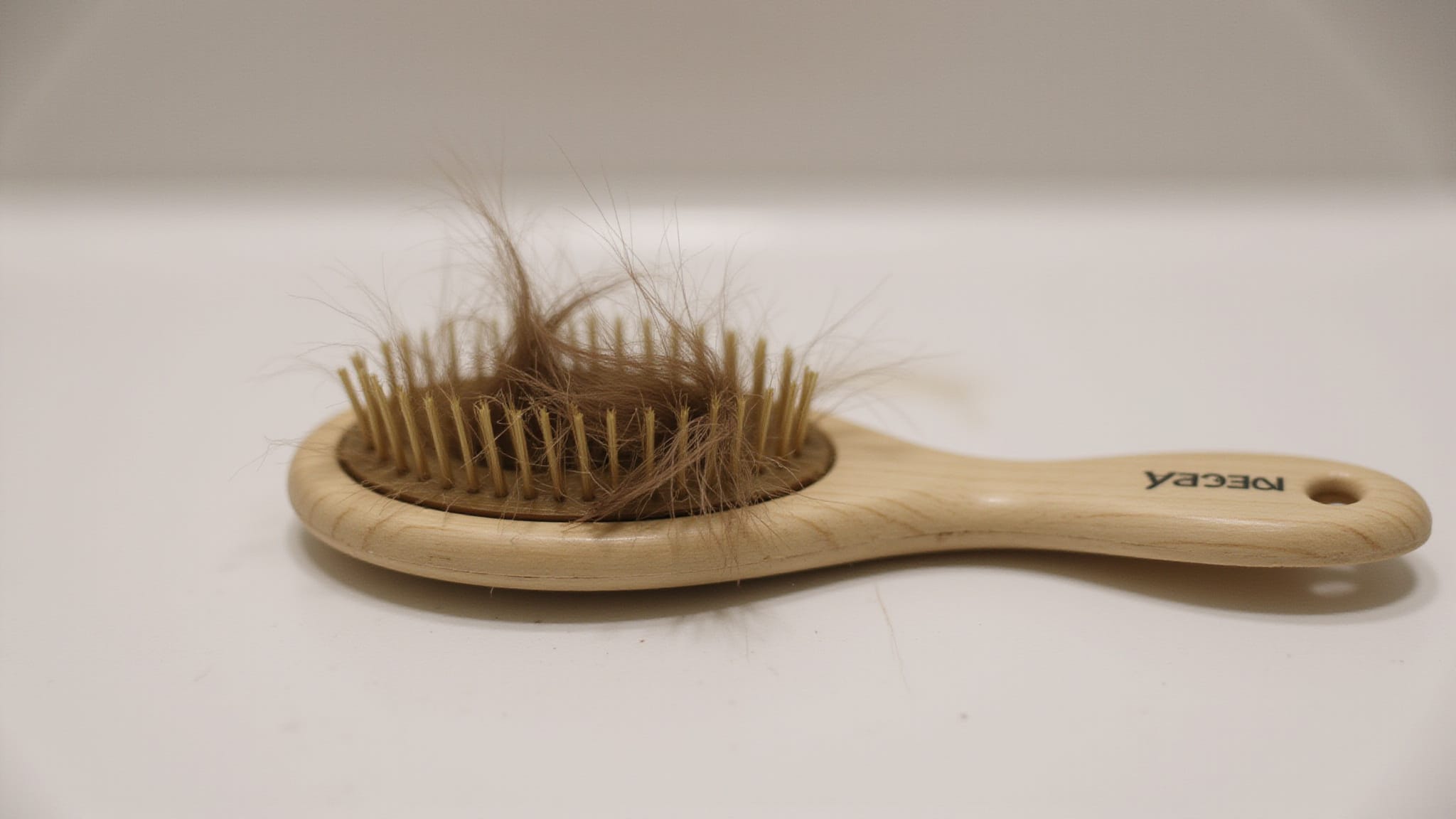
Yes, most meth-related hair loss can reverse after you quit using. When your hair loss comes from diffuse shedding, hair regrowth often begins as the growth cycle normalizes and your body recovers. This takes time. Your follicles need to shift back out of the resting phase, so patience matters.
Two factors strongly influence your recovery. First, abstinence removes the ongoing shedding triggers, though sudden withdrawal can add temporary stress. Second, nutritional recovery, rehydrating and correcting protein, iron, zinc, and vitamin deficiencies, gives your follicles what they need to rebuild.
Not all loss reverses, though. If hair-pulling has permanently damaged follicles, that hair may not return, so early intervention protects your regrowth potential.
How Long Does Regrowth Take
Regrowth after quitting meth typically takes several months, following your hair’s natural cycle rather than a quick fix. Your follicles need time to exit the resting phase and re-enter active growth. Diffuse shedding often improves gradually, but visible recovery can take several months. Your progress depends heavily on nutrition, correcting any deficiency in iron, zinc, or protein, and consistent scalp care.
| Timeframe | What to Expect |
|---|---|
| 1-2 months | Shedding often slows |
| 3-4 months | Early regrowth begins |
| 5-6 months | Thin new hairs appear |
| 6-9 months | Noticeable density returns |
| 12+ months | Fuller recovery possible |
If deficiency correction and abstinence continue, your regrowth timeline typically stays on track, though individual recovery varies.
What Else Supports Healthy Regrowth in Recovery

Several factors work together to give your follicles the best chance at recovery. Nutrition matters most, so rehydrate steadily, increase protein intake, and correct iron, zinc, biotin, and vitamin deficiencies that leave hair brittle. Emphasize vitamins A, C, and E alongside minerals your hair cycle needs.
Care for your scalp gently. Wash and brush regularly to clear buildup, but skip heat styling and harsh chemicals while hair stays fragile. Deep-conditioning treatments reduce breakage.
Managing stress helps too, since chronic stimulant-related stress keeps follicles shedding early. Pair these steps with abstinence and substance-use treatment, because they work best alongside recovery rather than alone.
If shedding persists, seek medical evaluation for thyroid problems, deficiencies, or scalp disease.
Conclusion
Hair loss from meth use often comes from poor nutrition, dehydration, stress, hormonal changes, compulsive hair pulling, and the overall strain the drug puts on the body. The reassuring news is that hair often begins to regrow once meth use stops and health is restored through good nutrition, rest, and care. Recovery of your hair usually follows recovery of your health. If meth is harming your body and wellbeing, you do not have to face it alone. The Hope Institute in West Milford, NJ offers compassionate treatment to help you reclaim your health from the inside out.
How to Find Treatment for Meth Addiction
Meth takes a serious toll on your body, but professional care can help you heal both physically and mentally. At The Hope Institute in Newfoundland, NJ, our caring team offers compassionate outpatient Meth Addiction Treatment with warmth, patience, and a real belief in your recovery. Call +1 (855) 659-2310 today and let us walk with you toward brighter days.
Frequently Asked Questions
Can Meth Cause Facial or Body Hair Loss Too?
Yes, meth can affect hair beyond your scalp. The same mechanisms, vasoconstriction reducing follicle blood flow, poor nutrition, dehydration, and stress-driven shedding, don’t just target your head. They can weaken follicles across your body, including facial and body hair. If you’re pulling or picking at other areas, that can cause damage too. Correcting deficiencies and stopping use gives these follicles the best chance to recover over time.
Does Smoking Meth Affect Hair Differently Than Injecting It?
The route doesn’t really change how meth affects your hair. Whether you smoke or inject it, the same underlying triggers drive shedding, vasoconstriction reducing blood flow to your follicles, disrupted nutrition, dehydration, and stress pushing hair into its resting phase early. What matters most is the overall impact on your body, not the method. If you’re noticing hair loss, addressing meth use itself makes the biggest difference for recovery.
Are Hair Loss Supplements Safe to Use During Meth Recovery?
Some supplements can help, but you’ll want medical guidance first. Correcting real deficiencies, iron, zinc, biotin, or vitamins, is safe and helpful, but only if testing confirms you actually need them. High-dose supplements can be harmful, and some interact with medications you’re taking during recovery. Get evaluated so your treatment team can pinpoint what’s missing. Pairing targeted nutrition with abstinence works far better than guessing with random over-the-counter hair products.
Can a Dermatologist Tell if Meth Caused My Hair Loss?
A dermatologist can’t confirm meth as the exact cause, but they can identify the pattern. Meth-related loss usually shows as diffuse shedding across your scalp, not a single patch. Your dermatologist will examine your scalp, review your history, and run tests to rule out iron or zinc deficiency, thyroid issues, or scalp disease. This helps pinpoint contributors beyond meth, so you’ll get targeted care that actually supports your regrowth.
Does Meth-Related Hair Loss Affect Men and Women Differently?
Meth-related hair loss can affect you similarly whether you’re a man or woman, since diffuse shedding tends to spread across your whole scalp rather than following sex-specific patterns. However, if you already have an underlying tendency toward pattern hair loss, meth’s stress and vasoconstriction may worsen it. You’ll also want to contemplate that nutritional deficiencies, hormonal factors, and hair-pulling habits can shape how your shedding shows up individually.