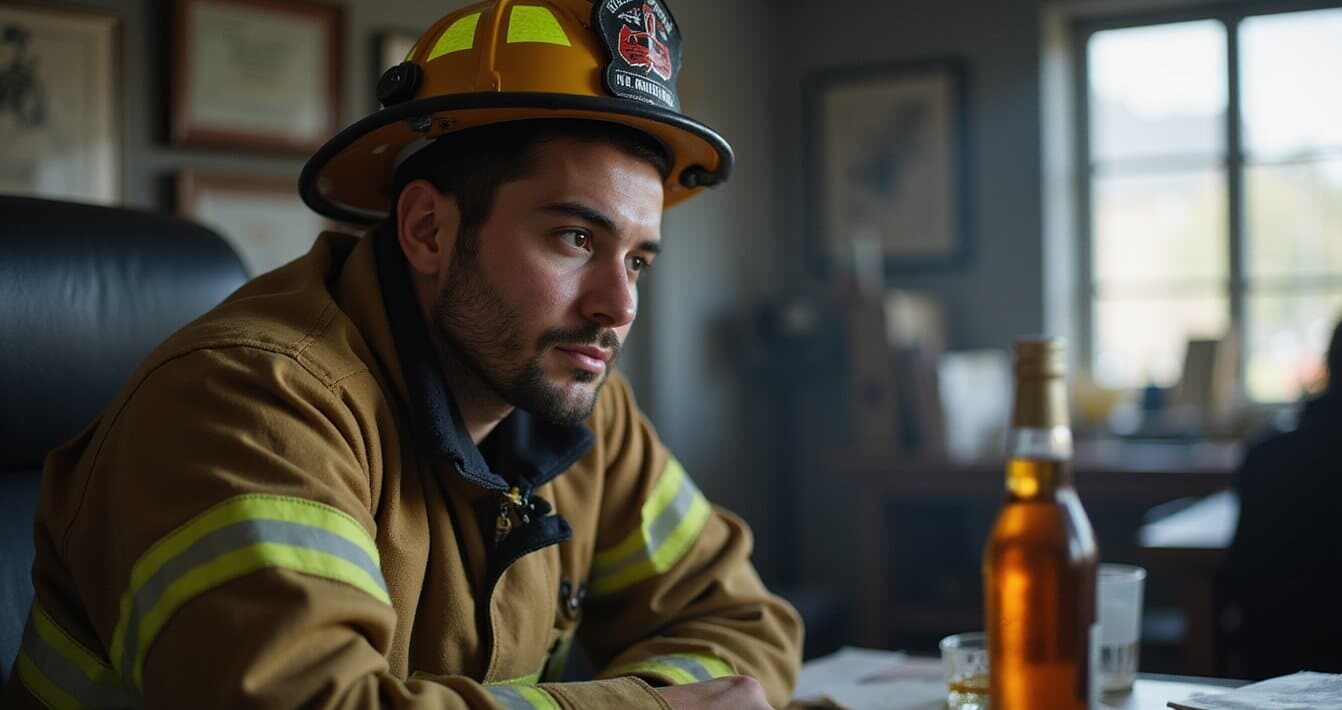
Alcohol abuse among firefighters is more widespread than you might think. Studies show that 50, 56% of career firefighters engage in binge drinking each month, and over 25% screen positive for a possible alcohol use disorder. You’re not alone if you’re struggling, these numbers reflect a culture where drinking has become a common way to cope with stress and trauma. Understanding the factors behind these statistics can help you take the first steps toward support.
How Common Is Alcohol Abuse Among Firefighters?
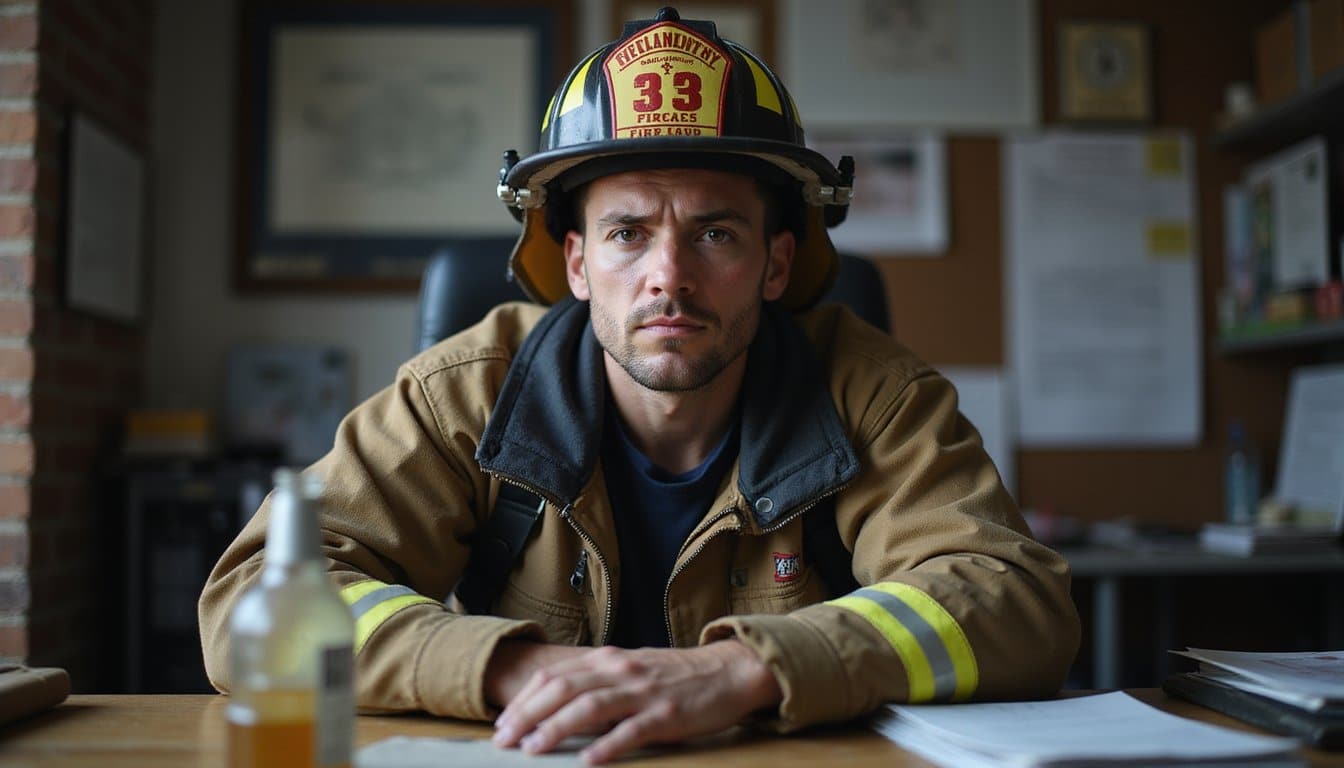
These firefighter drinking statistics reveal something important: alcohol abuse among firefighters isn’t rare or hidden. It’s deeply embedded in the culture. Career firefighters in one study drank about 10 days per month, nearly half their off-duty days. When they did drink, over half averaged three or more drinks per session.
Binge drinking fire service rates far exceed general population figures, where men report binge drinking at around 20%. You’re not imagining it, the problem is real, and you’re not alone in facing it. Roughly 9% of career firefighters admitted to driving while intoxicated in the previous 30 days, underscoring how deeply alcohol-related risks extend beyond personal health.
How Often Do Firefighters Binge Drink?
Binge drinking isn’t just common among firefighters, it’s the norm for many. Studies show that roughly half of career firefighters report past-month binge drinking, about double the rate among men in the general population. When you look at firefighter substance use patterns, alcohol and firefighting are deeply intertwined.
| Group | Past-Month Binge Drinking |
|---|---|
| Career firefighters | ~50, 56% |
| Volunteer firefighters | ~40, 50% |
| General male population | ~23% |
| Women firefighters | ~40% |
Career firefighters drink about 10 days per month, and when they do drink, episodes are often heavy. This pattern of frequent, intense drinking puts you at higher risk for negative health outcomes. One large study achieved a 97% participation rate across 24 fire departments in the Missouri Valley, lending strong credibility to these findings. If you’re recognizing yourself in these numbers, you’re not alone, and first responder addiction treatment can help without derailing your career.
Why Do So Many Firefighters Struggle With Alcohol?
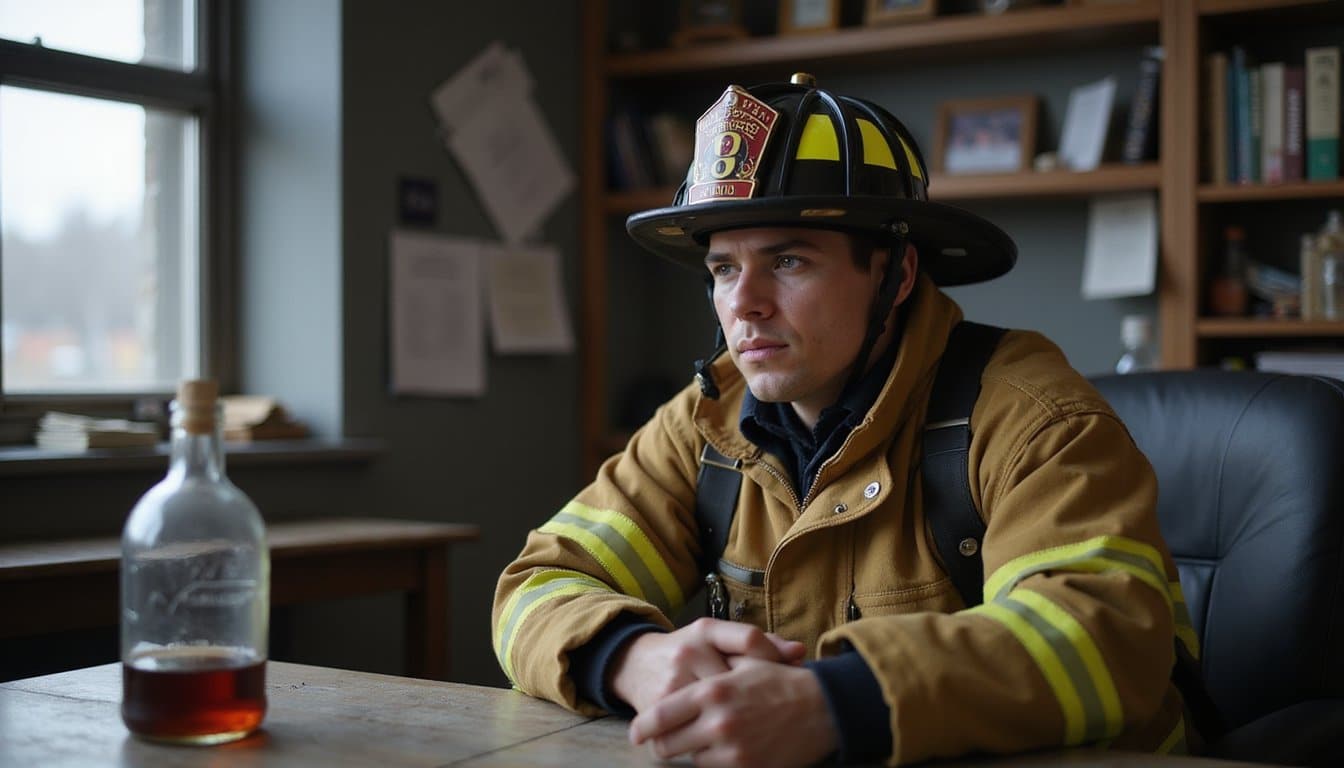
When you look at the numbers, it’s clear that firefighter drinking isn’t just about personal choice, it’s driven by the job itself. Several factors work together to create a high-risk environment:
- Trauma and stress accumulation: You’re exposed to suffering, death, and danger repeatedly. Drinking can become a way to numb what’s hard to talk about.
- Sleep disruption: Your 24- or 48-hour shifts wreck normal sleep patterns, and alcohol may feel like the fastest way to shut down after a tough rotation.
- Firehouse culture: Drinking together after shifts is deeply embedded in tradition. When heavy use looks normal, it’s harder to recognize when you’ve crossed a line.
None of these factors are your fault, and understanding them is the first step toward change. The stigma around vulnerability in firefighting culture can also make it difficult to openly discuss these struggles, keeping many from getting the support they need.
What Risky Behaviors Come With Firefighter Drinking?
When drinking becomes a regular way to cope, it can spill into areas that put you and others at serious risk. Studies show that some firefighters drive while intoxicated, report to work impaired, and face higher rates of on-duty injuries linked to problem drinking. Understanding these risks isn’t about blame, it’s about recognizing patterns so you can protect yourself and your crew.
Driving While Intoxicated
Heavy drinking doesn’t stay contained, it spills into other parts of life, and driving while intoxicated is one of the clearest examples. Research on career and volunteer firefighters found alarming rates tied directly to binge drinking patterns:
- 9, 10% of firefighters who drank reported driving while intoxicated in the previous 30 days
- Career firefighters drank roughly 10 days per month, clustering alcohol use on off-duty days
- 58% of career firefighters averaged three or more drinks on drinking days, creating conditions where impaired driving becomes more likely
These numbers aren’t about judgment, they’re about risk. When you’re drinking heavily on nearly half your off-duty days, the chance of getting behind the wheel before you’re sober goes up. Recognizing this pattern is a step toward protecting yourself and others.
Impaired On-Duty Performance
Drinking off duty is one thing, but the effects don’t always stop at the firehouse door. Firefighters themselves rank reporting to work intoxicated and neglecting responsibilities among the most serious alcohol-related consequences they see. When over 72% of those who binge drink report multiple episodes in a single month, next-day impairment becomes a real possibility on shift.
More than 25% of firefighters in some studies screen positive for possible alcohol use disorder, which raises the risk of dulled reaction time and poor judgment during emergencies. You’re working in a job where seconds matter, and even residual impairment can put you and your crew in danger. Recognizing that pattern isn’t a sign of weakness, it’s the first step toward protecting yourself and the people beside you.
Alcohol-Related Job Injuries
Impaired performance on shift is only part of the picture, alcohol misuse also shows up in the injury data.
If you’re drinking to cope with stress or trauma, your body’s already running on less. Add alcohol to fatigue and emotional strain, and the risk of getting hurt on the job goes up.
Research on women firefighters found that those who screened positive for problem drinking were roughly 40% more likely to report a job injury in the previous year. That’s a significant gap.
Here’s what connects drinking to injury risk:
- Fatigue and alcohol overlap, reducing your reaction time and judgment when it matters most
- Coping drinking compounds trauma exposure, making you more vulnerable physically and mentally
- Prescription pain management after injury can create new substance-related risks when alcohol’s already in the mix
Warning Signs of Alcohol Abuse in Firefighters
If you’re using alcohol to get through the stress of difficult calls, missing duty obligations, or getting behind the wheel after drinking, these are signs that alcohol may be taking over rather than helping you cope. You’re not alone, these patterns are common in the fire service, and they often develop gradually enough that they’re easy to dismiss. Recognizing them is the first step toward getting support that actually works.
Drinking To Cope
When alcohol shifts from something you enjoy socially to something you rely on after a tough call, the line between unwinding and coping can disappear fast. Stress, trauma, anxiety, and burnout can all drive drinking beyond what feels manageable.
Watch for these patterns:
- You’re drinking to avoid processing difficult emotions, using alcohol to numb stress or sidestep what happened on a call is a major red flag.
- Alcohol feels necessary to decompress, if you can’t relax without it, drinking has become a coping tool rather than a choice.
- You feel uneasy when it’s not available, that discomfort points to psychological reliance, even if you wouldn’t call it dependence.
None of this means you’re failing. It means the job is taking a toll, and you deserve support.
Missing Duty Calls
Missing a duty call once might not seem like a big deal, but a pattern of missed, delayed, or avoided calls often signals something deeper. When alcohol becomes your way to decompress, it can quietly erode the reliability you’ve built your career on. You might notice tardiness creeping in, focus slipping during responses, or shifts you’d rather avoid altogether.
These changes don’t happen overnight. They often show up alongside other shifts in behavior:
| Area | What You Might Notice | Why It Matters |
|---|---|---|
| Performance | Poor focus, operational errors | Safety risk increases |
| Behavior | Irritability, emotional distance | Relationships strain |
| Patterns | Drinking after every shift | Tolerance builds quietly |
You don’t have to be in crisis for these signs to deserve attention.
Driving While Intoxicated
Driving while intoxicated might seem like a line you’d never cross, but it shows up more often than most firefighters expect. Research shows that 9% of firefighters who drink have driven while intoxicated in the past 30 days, and this behavior sits within a broader pattern of heavy drinking that affects over half of career firefighters.
Watch for these connected patterns:
- Needing more alcohol to feel the same effect, which can leave you more impaired than you realize before getting behind the wheel
- Drinking routinely after shifts, increasing the chance you’re driving before you’re fully sober
- Using alcohol to manage stress or bad calls, which can quietly escalate into risky decisions
If this sounds familiar, it’s a sign worth paying attention to, not a reason for shame.
How Firefighters Can Get Help for Alcohol Abuse
Although heavy drinking is common in the fire service, recognizing it as a problem is the first step toward getting help. If you’re drinking to cope with stress, increasing your intake after shifts, or drinking alone, it’s worth reaching out.
Peer support programs can make a real difference. You don’t have to navigate this alone, and talking to someone who understands the job reduces the stigma that keeps many firefighters silent.
A mental health evaluation can determine whether your drinking connects to PTSD, anxiety, depression, or sleep disruption. Treatment works best when it addresses both alcohol use and the trauma behind it.
Firefighter-specific recovery programs exist, offering detox, counseling, and relapse prevention built around your schedule. Recovery doesn’t mean leaving the job you love.
Frequently Asked Questions
Do Volunteer Firefighters Drink as Much as Career Firefighters?
Research shows volunteer firefighters don’t drink quite as much as career firefighters, but the gap isn’t as wide as you might expect. Career firefighters drink about 10 days per month, and 58% average three or more drinks per session compared to 40% of volunteers. Binge drinking is still common in both groups. If you’re concerned about your drinking, you’re not alone, and effective, schedule-friendly help is available.
Are Firefighters More Likely to Abuse Alcohol Than Police Officers?
Research suggests firefighters are at least as likely, and often more likely, to engage in heavy or binge drinking compared to police officers. Studies show over 50% of career firefighters report recent binge drinking, while police studies report lower at-risk drinking rates. That said, different studies measure things differently, so exact comparisons aren’t perfect. If you’re concerned about your own drinking, you’re not alone, and effective help is available.
Can Firefighters Be Fired for Drinking off Duty?
You generally can’t be fired simply for drinking off duty, but it depends on your department’s policies and your collective bargaining agreement. If your off-duty drinking leads to showing up hungover, impaired, or unable to perform safely, that’s when disciplinary action becomes a real possibility. A DUI can also put your job at risk. If you’re worried about your drinking, reaching out for support is a strong first step.
Does Alcohol Abuse Affect Firefighter Divorce Rates?
There isn’t a specific divorce rate tied to firefighter alcohol abuse, but the connection is real. When drinking leads to neglected responsibilities, arguments, memory lapses, and emotional withdrawal, it strains even strong relationships. If you’re also dealing with depression, PTSD, or burnout alongside heavy drinking, the pressure on your marriage compounds. You don’t have to wait until things fall apart, reaching out for help now can protect what matters most.
How Does Alcohol Use Impact Firefighter Physical Fitness Over Time?
Heavy drinking can quietly erode your physical fitness over time. It disrupts sleep, slows muscle recovery, and makes it harder to maintain cardiorespiratory conditioning and healthy body composition. Binge drinkers in firefighter studies showed the highest risk for injuries, depression, and PTSD, all of which can pull you away from consistent training. You don’t have to let alcohol undermine the fitness your job demands. Support is available and recovery is possible.