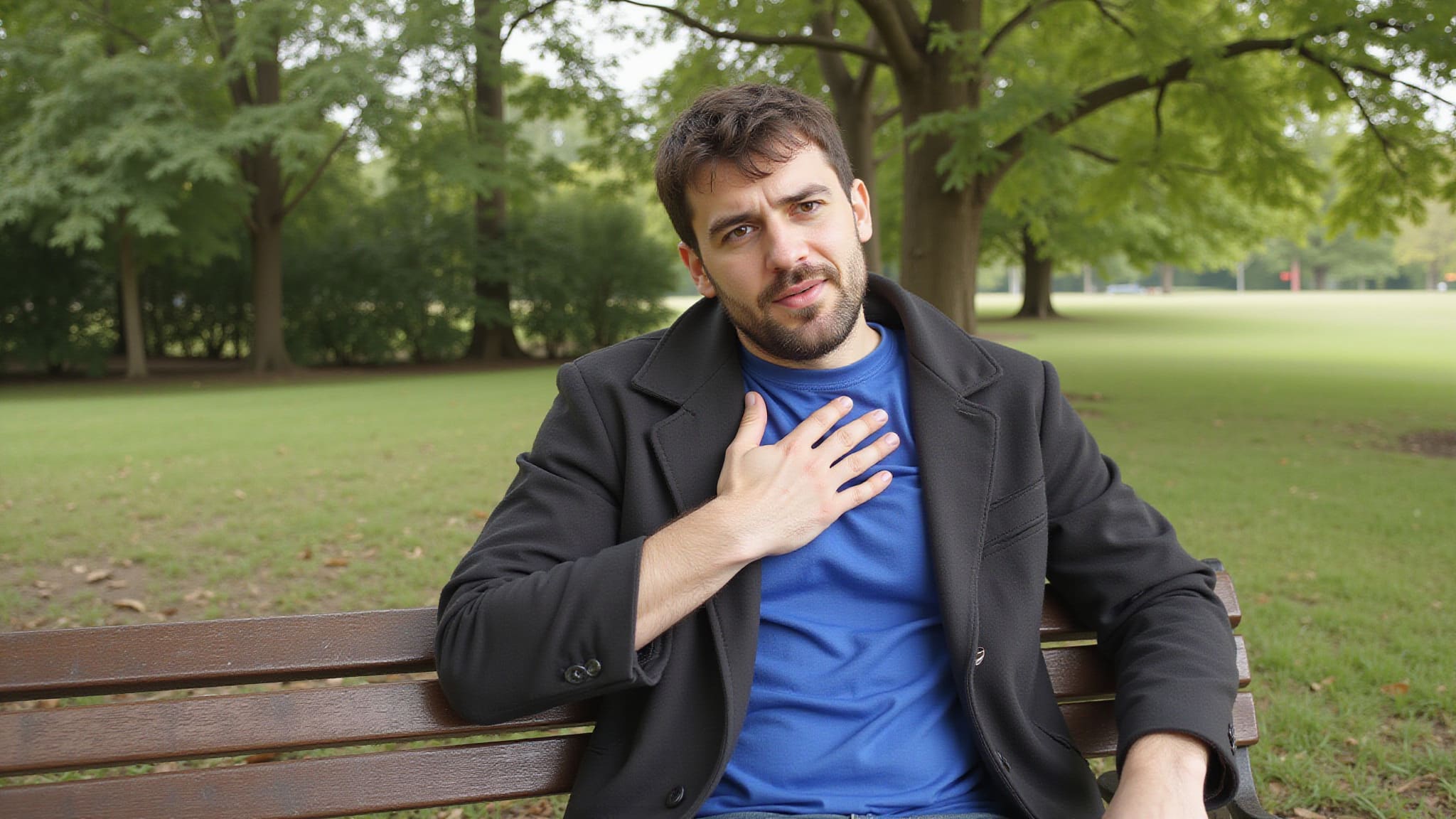
Three signs together confirm an opioid overdose: pinpoint pupils, unresponsiveness, and breathing that is slow, shallow, or stopped. Lips and nails may turn blue or purple on lighter skin, or gray and ashen on darker skin. The body goes limp and the skin turns cold and clammy. The single fastest test is responsiveness, because someone who is high responds to a loud voice or a sternum rub and someone overdosing does not. Call 911 first, then give naloxone.
Key Takeaways
- Watch for the overdose triad: pinpoint pupils, unresponsiveness, and slow, shallow, or stopped breathing.
- Look for bluish lips and nails in lighter skin or grayish, ashen skin in darker skin.
- Notice a limp body, cold clammy skin, and choking or snore-like gurgling sounds (“death rattle”).
- Distinguish overdose from being high by responsiveness, since no reaction to loud noise, shaking, or a sternum rub signals overdose.
- Act within minutes: call 911 with your exact address, give naloxone, and begin rescue breathing if needed.
Recognizing a Heroin Overdose Fast

Recognizing a heroin overdose starts with the opioid triad: pinpoint pupils, unconsciousness, and respiratory depression. When you observe breathing that’s slow, shallow, erratic, or stopped, combined with unresponsiveness and miotic pupils, you’re seeing the most reliable heroin overdose signs. When someone overdoses on heroin, you have minutes, not hours, to act, so recognizing the signs quickly can mean the difference between life and death. What heroin withdrawal looks like can be just as critical to understand. The changes in behavior, physical symptoms, and emotional distress are often alarming and may require immediate intervention.
Watch for additional opioid overdose symptoms: bluish or purple lips and nails in lighter-skinned individuals, or grayish, ashen skin in darker-skinned individuals. The body becomes limp, the skin turns cold and clammy, and the pulse slows or disappears.
Don’t confuse an overdose with being “high.” If the person won’t respond to loud noise or vigorous shaking, act immediately.
What causes a heroin overdose to happen
A heroin overdose occurs when the drug depresses the central nervous system beyond what the body can tolerate. Opioids bind to receptors controlling respiration, and excessive doses slow or stop breathing entirely. Several factors increase risk. Reduced tolerance after abstinence, incarceration, or detox means a previously manageable dose can prove fatal. Mixing heroin with alcohol, benzodiazepines, or other depressants compounds respiratory depression. Unknown potency, particularly fentanyl-adulterated supply, dramatically raises overdose likelihood. Injecting rather than smoking accelerates the effect. Recognizing these triggers sharpens your overdose response, because you’ll anticipate danger rather than react to it. When you understand causation, you intervene faster and save lives.
What are the warning signs to look for

The warning signs to look for include the opioid triad: pinpoint pupils, unconsciousness, and respiratory depression marked by slow, shallow, or stopped breathing. These three symptoms together offer the most reliable indication of an overdose. Because heroin overdose kills within minutes, you need to identify its signs immediately. Fentanyl vs heroin danger has become a pressing issue as both substances have devastating effects. Users often underestimate the potency of fentanyl, leading to tragic consequences.
Look for bluish or purple lips and nails in lighter-skinned individuals, or grayish, ashen skin in darker-skinned individuals. The body turns limp, and the skin feels cold and clammy. You might notice a discolored tongue or dry mouth.
Listen for choking sounds or snore-like gurgling, the so-called “death rattle,” which signals airway obstruction. Check the pulse; it becomes slow, erratic, or undetectable. If the person’s awake, watch for slurred speech, confusion, disorientation, “nodding off,” or complete unresponsiveness to loud noise or shaking.
How do you tell an overdose from being high
Distinguishing an overdose from a high hinges on one key factor: responsiveness. When someone’s high, they’ll respond to loud noises, shaking, or a vigorous sternum rub. During an overdose, they won’t. This unresponsiveness distinguishes a critical emergency from intoxication.
Watch the breathing. A high person breathes normally, while an overdose victim breathes slowly, shallowly, erratically, or not at all. You may hear choking sounds or snore-like gurgling, the “death rattle,” signaling airway obstruction.
Check the pupils. Pinpoint (miotic) pupils indicate opioid overdose. Look for bluish or purple lips and nails in lighter-skinned individuals, or grayish, ashen skin in darker-skinned individuals. The body turns limp, and skin feels cold and clammy.
If you can’t rouse them, treat it as an overdose immediately.
What should you do in the moment
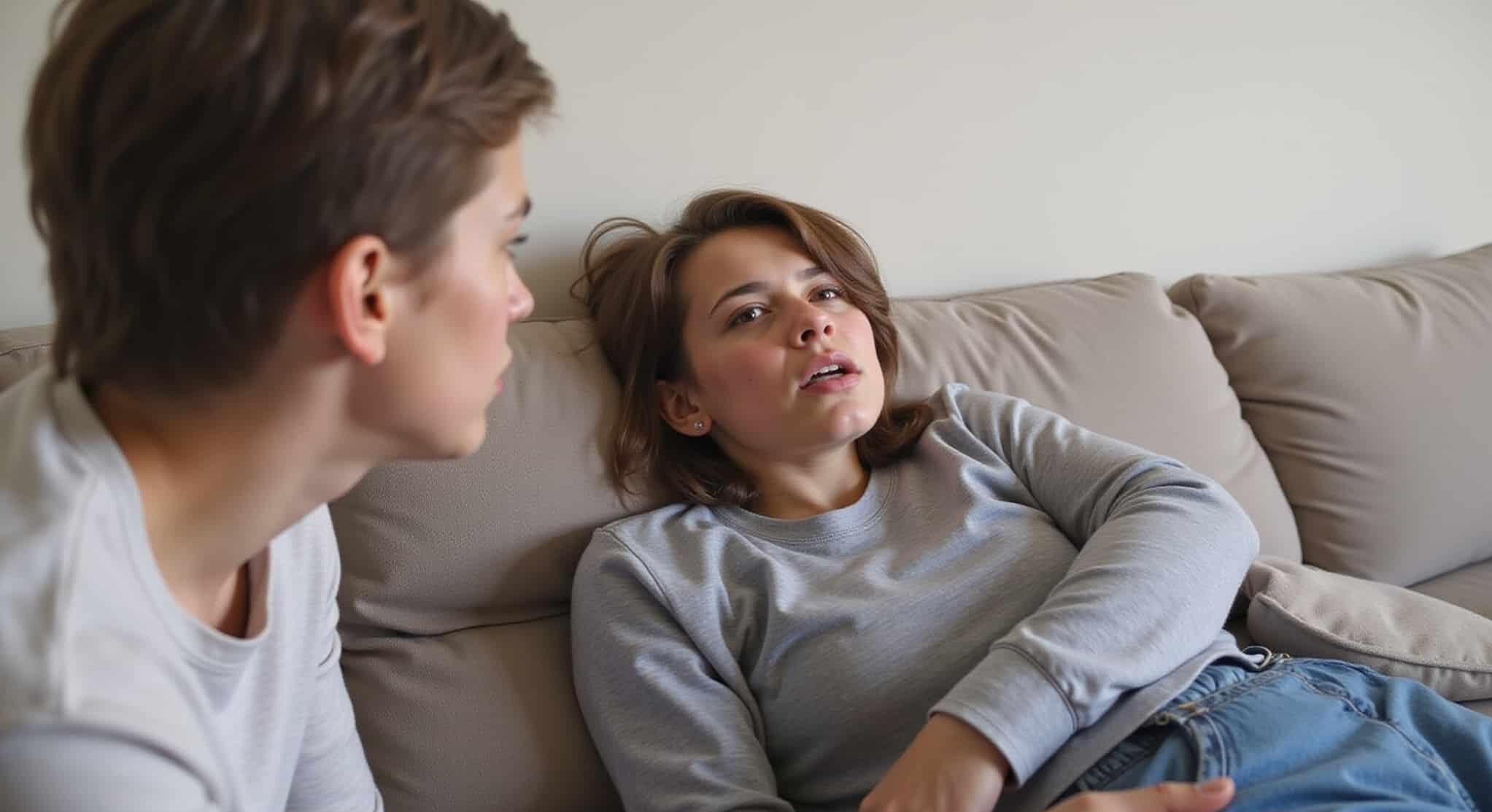
Act immediately when you suspect an overdose, because every second counts and death can follow within minutes. Call 911 first, reporting a drug overdose with the specific street address and location. Attempt to rouse the person by speaking loudly, pinching, or rubbing your knuckles vigorously up the sternum. If the person isn’t breathing, begin rescue breathing: pinch the nose shut and deliver mouth-to-mouth. Administer naloxone (Narcan) if available; it blocks opioid effects and restores breathing within two to eight minutes. Give a second dose after two to three minutes if breathing hasn’t resumed. Naloxone won’t harm someone who hasn’t taken opioids, so use it whenever you’re uncertain. Stay with the person until help arrives, and cooperate fully with the ambulance crew when they take over.
How does naloxone reverse a heroin overdose
Naloxone reverses a heroin overdose by binding to the same receptors heroin occupies, displacing the opioid and reversing respiratory depression. It blocks opioid effects at their source, restoring breathing within two to eight minutes. The FDA approved naloxone (brand name Narcan) in 2014 specifically to reverse heroin overdose effects. Researchers are exploring new treatments that may lead to a cure for heroin addiction. These innovative approaches could provide long-term solutions, offering hope to those struggling with dependency.
You may need two or more doses to fully restore breathing. Wait two to three minutes between doses, checking for breathing each time before administering another. If the person hasn’t taken opioids, naloxone has virtually no effect, so you can safely give it whenever you suspect an overdose.
Timely naloxone administration prevents death. Since roughly 25% of opioid-related deaths stem from overdose, quick action with naloxone can save a life.
What raises overdose risk the most
Certain circumstances make an overdose far more likely, and knowing them helps families and friends recognize when to be watchful.
The highest-risk situations include:
- Return to use after abstinence: tolerance falls within days, so the periods following detox, hospitalization, or release from incarceration carry the steepest risk.
- Mixing with depressants: alcohol and benzodiazepines compound respiratory suppression, and a large share of opioid deaths involve more than one substance.
- Fentanyl contamination: potency varies unpredictably between batches, so no amount can be assumed safe.
- Using alone: with no one present, an overdose that naloxone could have reversed becomes fatal.
These are the conditions treatment removes. Medication-assisted treatment in particular has strong evidence for reducing overdose deaths, because it stabilizes tolerance and eliminates exposure to an unpredictable supply.
Conclusion
The one thing worth remembering from all of this is the responsiveness check. Pupils and skin color take time to read, but a loud voice and a knuckle rubbed hard up the sternum give an answer in seconds. No response means treat it as an overdose, and naloxone causes no harm if the guess turns out to be wrong.
The second thing is that recognition and reversal are only the emergency. Naloxone buys time, not recovery, and someone who has overdosed once is at high risk of another. The window right after a reversal is when treatment is both most needed and most likely to be accepted.
Your Life Is Worth Fighting For
The pain of opioid addiction runs deep, but so does the strength inside you that led you to look for help today. At The Hope Institute in Kinnelon, NJ, our compassionate team walks beside you through outpatient Heroin Addiction Treatment with real understanding and unwavering care. Call +1 (855) 659-2310 today and give yourself the chance you deserve.
Frequently Asked Questions
What is the recovery position and when should you use it?
If someone is breathing but unresponsive, rolling them onto their side prevents choking should they vomit, which is common during opioid overdose and a frequent cause of death in people who would otherwise have survived. Place the lower arm out, bend the upper knee forward for stability, and tilt the head slightly back to keep the airway open. Use it while waiting for paramedics and after giving naloxone.
Why might someone wake up angry or agitated after naloxone?
Naloxone strips opioids off the receptors all at once, which throws a dependent person into sudden withdrawal. The result can be confusion, nausea, and hostility toward the person who just saved their life. It is a physiological reaction rather than ingratitude. Staying calm, explaining what happened, and keeping them from leaving before paramedics arrive matters, because the opioid can outlast the naloxone.
Does naloxone work the same on fentanyl as on heroin?
It works, but often takes more of it. Fentanyl binds receptors tightly and is far more potent, so reversing it can require two, three, or more doses given a few minutes apart. Fentanyl also lasts longer in the body than naloxone does, which raises the chance of the overdose returning after the reversal. Emergency services should always be called even if the first dose appears to work.
How should you store naloxone and does it expire?
Nasal spray keeps best at room temperature, away from freezing and from heat like a car glove box in summer. It does carry an expiration date, though studies suggest it retains most potency past that point, so expired naloxone is still worth using in an emergency rather than withholding. Checking dates once or twice a year and replacing as needed keeps a kit reliable.
What happens at the hospital after an overdose reversal?
Staff typically monitor for several hours, since the opioid can outlast the naloxone and breathing can decline again. They check oxygen levels, look for complications like aspiration pneumonia, and often begin buprenorphine in the emergency department, which research shows substantially improves the odds of entering treatment. Many hospitals also connect people with a peer recovery specialist before discharge.