Fentanyl is fully synthetic and roughly 50 times stronger than heroin, which is why a lethal dose can be as small as two milligrams. It also acts within minutes, leaving far less time to respond to an overdose, and reversing one may take multiple doses of naloxone rather than one. The largest risk is that it is frequently mixed into heroin and pressed into counterfeit pills, so exposure is often unintentional. Why cold turkey heroin is risky because the body can experience severe withdrawal symptoms, leading individuals to seek relief through dangerous methods.
Key Takeaways
- Fentanyl is fully synthetic and roughly 50 times stronger than heroin, making even tiny doses potentially lethal.
- A lethal fentanyl dose can be as small as ~2 mg, leaving a narrow margin between effective and fatal amounts.
- Fentanyl acts within minutes, giving far less time to respond to an overdose than slower-acting heroin.
- Reversing a fentanyl overdose may require multiple naloxone (Narcan) doses, unlike typical heroin overdoses.
- Fentanyl is often secretly mixed into heroin and counterfeit pills, causing deadly unknowing exposure.
How does fentanyl differ from heroin
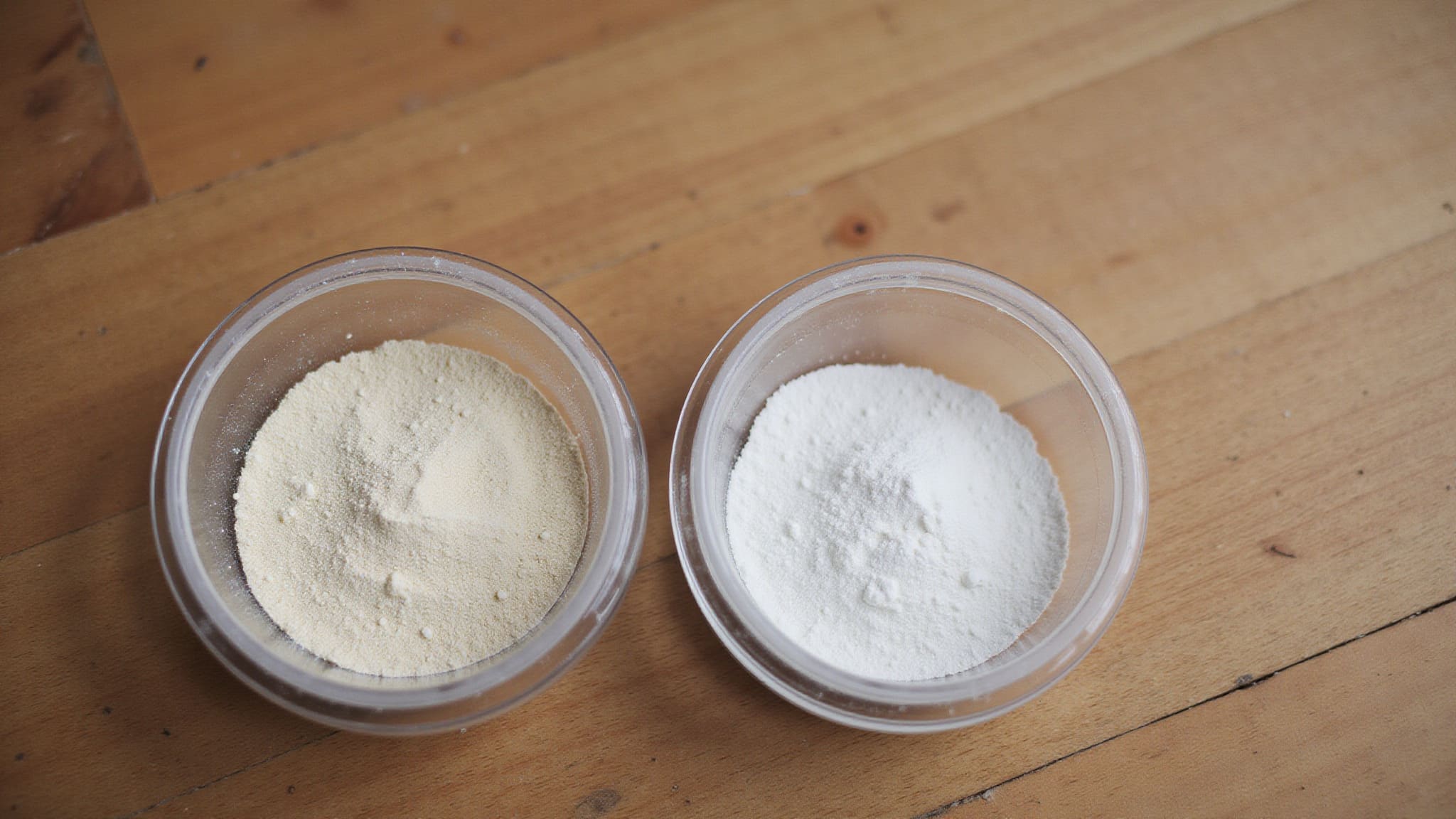
Fentanyl and heroin differ fundamentally in origin and chemistry, although both drugs are opioids that bind to the same brain receptors. Fentanyl is fully synthetic, manufactured entirely in laboratories without natural ingredients. Heroin is semi-synthetic, derived from morphine extracted from the opium poppy. This distinction shapes their pharmacology and legal status: fentanyl is a Schedule II substance with accepted medicinal uses, while heroin has none.
The fentanyl vs heroin comparison reveals a stark potency gap. Fentanyl is roughly 50 to 100 times more potent than morphine and markedly stronger than heroin. A lethal dose can be as small as two milligrams, a few grains of salt.
The fentanyl danger intensifies because its rapid onset produces effects within minutes, driving overdose risk higher. Recognizing a heroin overdose is crucial for timely intervention. It often requires immediate administration of naloxone to reverse the effects.
What are fentanyl and heroin
Fentanyl and heroin are both opioids, but they come from very different sources. Fentanyl is fully synthetic, manufactured entirely in laboratories with no natural ingredients. Heroin is semi-synthetic, derived from morphine, which comes from the opium poppy, a plant-based source.
Their chemical structures differ slightly, producing distinct pharmacological properties. They’re also classified differently: fentanyl is a Schedule II controlled substance with accepted medical uses, while heroin has none.
Fentanyl is roughly 50 to 100 times stronger than morphine and notably more potent than heroin. This dramatic difference explains why fentanyl risks are so severe. A lethal dose can be as small as two milligrams. These distinctions help explain why opioid overdose remains such a deadly threat.
How do they differ in potency and effects

Fentanyl and heroin differ sharply in potency and effects, and those differences translate directly into how dangerous each one is. Fentanyl runs approximately 50 to 100 times more potent than morphine, and roughly 50 times stronger than heroin. This gap explains why a lethal fentanyl dose measures just two milligrams, a few grains of salt, while heroin requires a substantially larger quantity to kill.
| Factor | Fentanyl vs. Heroin |
|---|---|
| Potency | 50x stronger than heroin |
| Lethal dose | ~2 mg (as low as 0.25 mg) |
| Onset | Rapid, within minutes |
| Overdose risk | Higher due to speed |
Both drugs bind rapidly to brain receptors, reducing pain. But fentanyl’s faster onset and extreme potency mean you’ll face a far narrower margin between an effective dose and a fatal one.
Why is fentanyl more deadly than heroin
Fentanyl is far deadlier than heroin because it is roughly 50 to 100 times more potent than morphine and substantially stronger than heroin. A lethal dose can be as small as two milligrams, a few grains of salt. Heroin requires far larger quantities to kill. Fentanyl’s rapid onset produces symptoms within minutes, leaving you little time to respond before overdose sets in. Because it’s often used as a cutting agent or hidden in counterfeit pills, you may consume it unknowingly. Reversing an overdose may demand multiple naloxone doses rather than one. In 2021, nearly 71,000 overdose deaths involved synthetic opioids, primarily fentanyl, evidence of its unmatched lethality.
Why is fentanyl often mixed into heroin
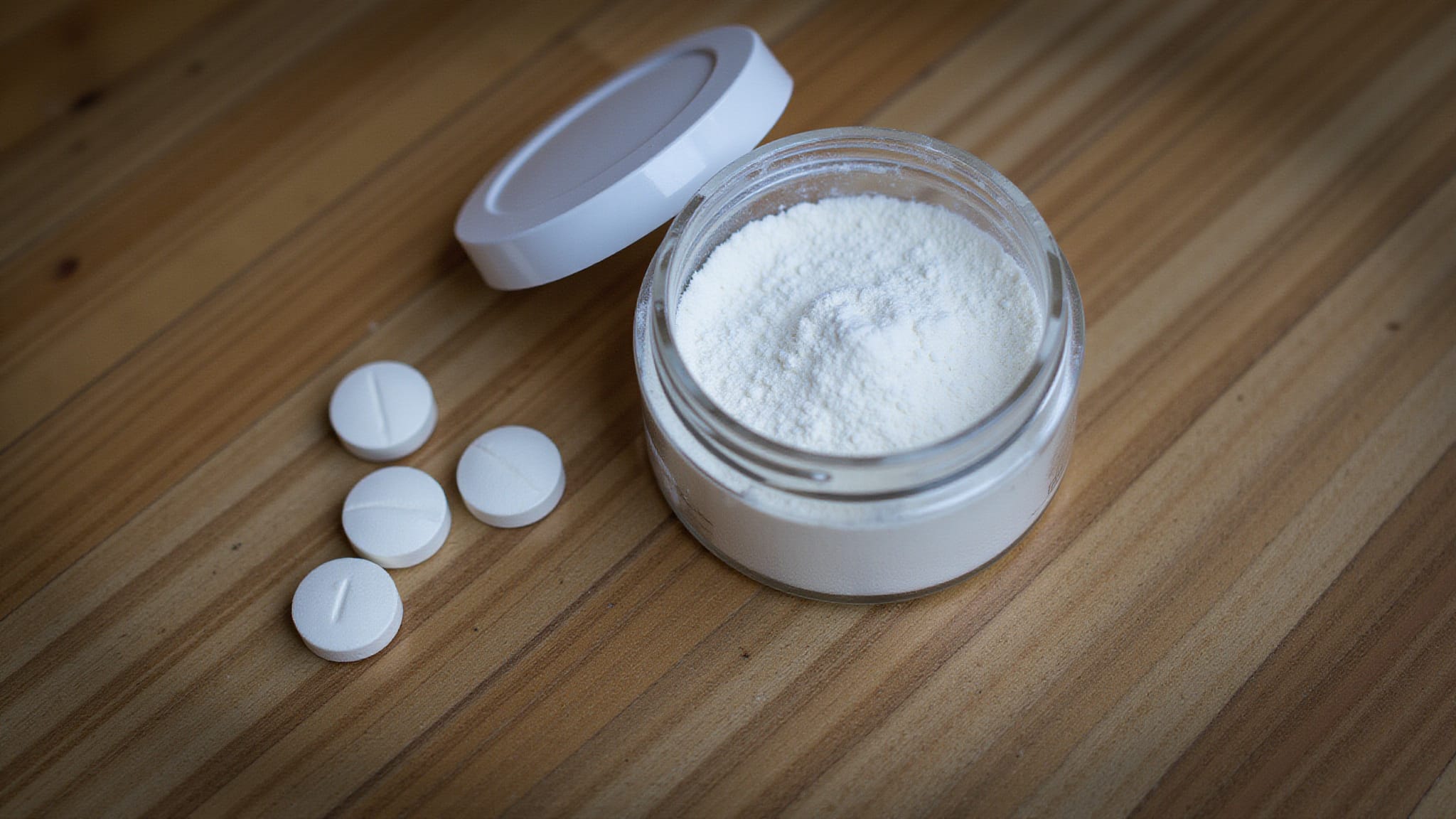
Dealers mix fentanyl into heroin because it is cheaper and easier to produce than morphine-derived heroin. Fentanyl is fully synthetic, manufactured entirely in laboratories without plant-based sourcing. This economic incentive drives its use as a cutting agent or filler.
Consider these factors:
- Potency: Fentanyl is roughly 50 to 100 times more potent than morphine, so minute amounts boost perceived strength.
- Cost: Synthetic production undercuts poppy-dependent heroin supply chains.
- Volume: Small quantities stretch heroin supplies, increasing dealer profit margins.
- Availability: Illicitly made fentanyl remains widely accessible across illegal markets.
The consequence is an unpredictable drug supply. You might unknowingly consume fentanyl added to heroin or counterfeit pills, and a lethal dose can be as small as two milligrams.
How do overdose and treatment differ between the two
Both drugs act fast, but fentanyl’s rapid onset means symptoms hit within minutes, leaving you little time to respond. You can reverse either overdose with naloxone (Narcan), an opioid antagonist. Standard-strength naloxone still works against fentanyl in most people, but because fentanyl’s roughly 50 to 100 times more potent than morphine, you might need multiple doses to counteract it, unlike heroin, which typically responds to less. Treatment for opioid dependence itself differs from overdose reversal, and medication-assisted treatment combined with behavioral therapy has the strongest evidence for either substance. Heroin recovery options vary widely, emphasizing the importance of personalized treatment plans. Many individuals find success through a combination of counseling, support groups, and medication-assisted therapies.
What should you know about overdose risk
The central risk with fentanyl is that exposure is often unintentional. Illicitly made fentanyl frequently contaminates heroin and counterfeit prescription pills, so a person can consume it without knowing. A lethal dose can be as small as two milligrams, a few grains of salt, which means the amount separating an ordinary dose from a fatal one is invisible.
Fentanyl contaminates the drug supply unpredictably, and just two milligrams can be lethal.
A few things follow from that:
- Tolerance offers less protection than people assume, because potency varies batch to batch.
- Naloxone reverses fentanyl overdoses, though multiple doses may be needed.
- Rapid onset means symptoms can appear within minutes, leaving little time for anyone to respond.
- Emergency services should be called for any suspected overdose, since naloxone can wear off before the opioid does.
The only reliable way out of this risk is treatment, since it removes exposure to an unpredictable supply entirely.
Conclusion
The potency numbers explain the danger, but they miss what actually kills people. Someone taking heroin has a rough sense of what a dose does. Someone taking heroin containing fentanyl has no such sense, because two milligrams is not visible, not tastable, and not evenly distributed through a batch. The gap between a normal dose and a fatal one closes without warning.
That unpredictability is not solvable by being careful. It is a property of an unregulated supply, and it has made every opioid use decision riskier than it was a decade ago. Treatment is the one intervention that removes the variable entirely, and for opioid dependence it is also the area with the strongest medication evidence of any substance use disorder.
Your Life Is Worth Fighting For
The pain of opioid addiction runs deep, but so does the strength inside you that led you to look for help today. At The Hope Institute in Kinnelon, NJ, our compassionate team walks beside you through outpatient Heroin Addiction Treatment with real understanding and unwavering care. Call +1 (855) 659-2310 today and give yourself the chance you deserve.
Frequently Asked Questions
Why does fentanyl overdose sometimes cause chest rigidity?
Fentanyl can produce a reaction called wooden chest syndrome, where the chest wall and diaphragm muscles stiffen so severely that breathing becomes difficult even with airway support. It appears more often with fentanyl than with heroin, particularly at high doses delivered quickly. It is one reason fentanyl overdoses can progress faster than expected, and it is a situation that needs emergency medical care rather than naloxone alone.
What are nitazenes and how do they relate?
Nitazenes are a class of synthetic opioids appearing in the illicit supply, some of which are more potent than fentanyl. They were developed decades ago as pain medications but never approved. They matter here because fentanyl test strips do not detect them, so a negative strip result does not confirm a supply is free of synthetic opioids. Overdoses involving nitazenes may also need higher naloxone doses.
How does medication-assisted treatment work for opioid dependence?
Unlike stimulants, opioids have several approved medications with strong evidence behind them. Buprenorphine and methadone occupy opioid receptors enough to prevent withdrawal and blunt cravings without producing a high at therapeutic doses, which stabilizes people well enough to engage in therapy. Naltrexone works differently, blocking receptors entirely after detox. All three substantially reduce overdose deaths compared with behavioral treatment alone.
Does fentanyl change the withdrawal experience?
It can. Fentanyl is fat-soluble and accumulates in body tissue with sustained use, so it can release slowly and extend withdrawal beyond the timeline typical of heroin. People also often need higher starting doses of buprenorphine or a more careful induction, because standard approaches can trigger precipitated withdrawal. This is a clinical detail worth raising with a provider, since it changes how the first days of treatment are managed.
Why are counterfeit pills considered a separate risk?
Pressed pills reach people who never intended to take an opioid at all. They are made to look like prescription medications, so someone seeking a pain pill or an anxiety medication can receive fentanyl instead. Pressing is also inconsistent, meaning one pill in a batch may contain a survivable amount while the next contains several times that. There is no way to identify a counterfeit by appearance.