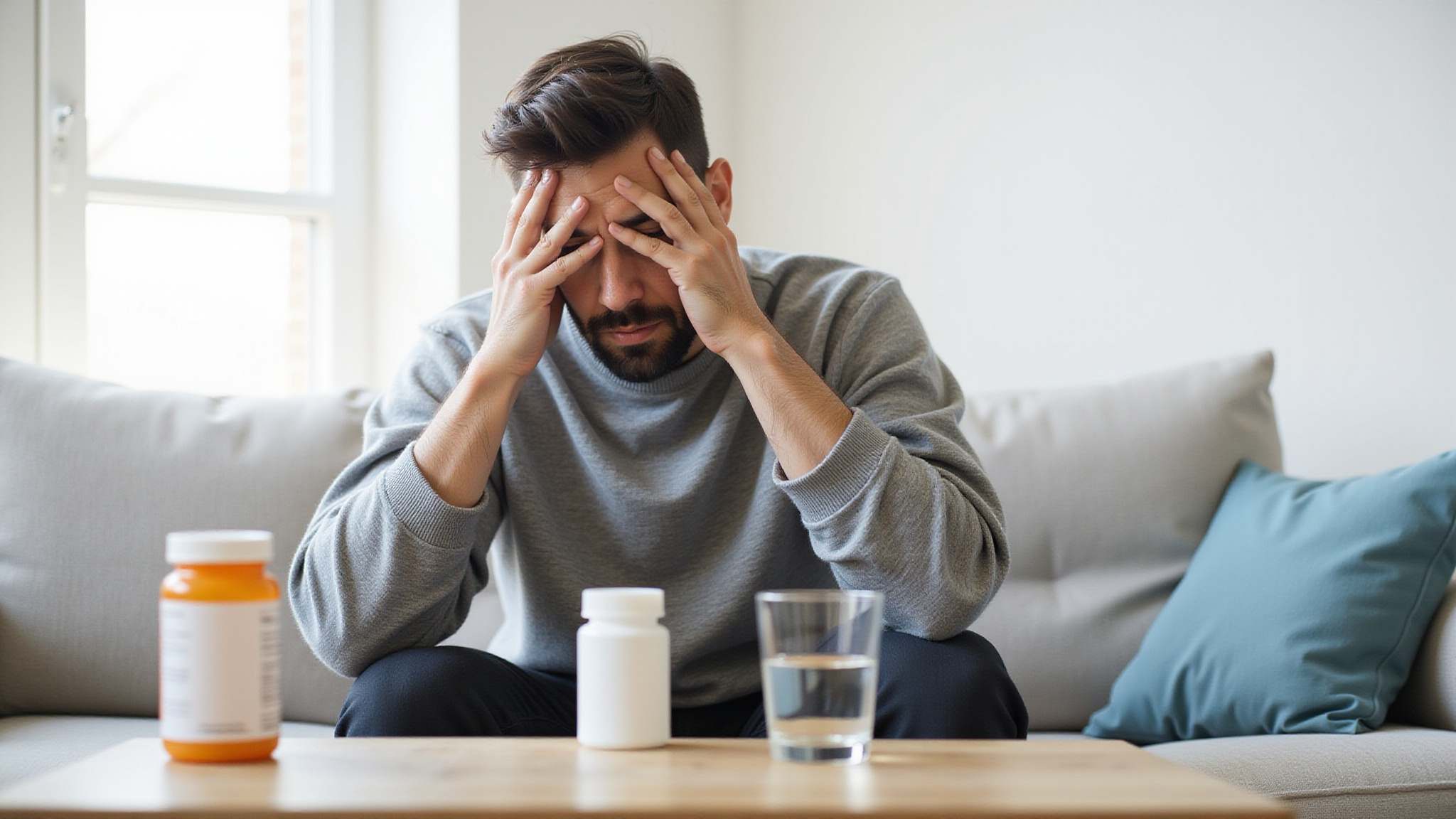
Quitting heroin abruptly is dangerous for reasons beyond discomfort. Withdrawal begins 8 to 24 hours after the last dose and peaks across days 1 to 3, bringing irregular heart rate, blood pressure swings, and persistent vomiting and diarrhea that can produce dehydration and electrolyte imbalance requiring IV fluids. The larger risk comes afterward: tolerance drops fast, so a relapse at a previously normal dose can be fatal. How fentanyl differs from heroin can significantly impact responses to overdose. While both substances are opioids, fentanyl is much more potent and acts faster, leading to a higher risk of respiratory depression.
Key Takeaways
- Abrupt cessation can trigger seizures, irregular heart rate, and dramatic blood pressure changes that endanger those with pre-existing heart conditions.
- Persistent vomiting and diarrhea cause electrolyte imbalances and dehydration, sometimes requiring intravenous intervention.
- Withdrawal begins within 8 to 24 hours, intensifies rapidly, and peaks during days 1 to 3 with tremors, chills, and heightened pain sensitivity.
- Hallucinations and delusions can disrupt cognitive function, impairing judgment during unsupervised home detox.
- Rapid tolerance loss makes relapse likely and dangerous, as returning to prior doses can cause fatal overdose.
Why is quitting heroin cold turkey risky

Quitting heroin cold turkey exposes your body to a cascade of dangerous physiological and psychological reactions. Within 8 to 24 hours after your last dose, you’ll experience muscle pain, spasms, excessive sweating, and abdominal cramps. As toxicity clears, your heart rate becomes irregular, and heroin withdrawal risks escalate with dramatic blood pressure changes and electrolyte imbalances requiring intravenous intervention. The heroin cold turkey dangers extend beyond physical symptoms. Seizures, hallucinations, and severe depression can emerge unpredictably. Without supervised opioid detox, you lose access to medications like methadone or buprenorphine that manage these symptoms. Peak distress intensifies during days 1 to 3, and unsupervised attempts dramatically increase your relapse risk, which frequently leads to fatal overdose.
What does going cold turkey actually involve
Going cold turkey means you stop all heroin use abruptly, with no tapering schedule and no medication to ease the process. Your body must clear the drug entirely on its own, without buprenorphine, methadone, or any pharmacological support to manage symptoms. You typically attempt this at home, without round-the-clock medical supervision. First withdrawal signs appear within 8 to 24 hours after your last dose, and symptoms intensify rapidly. Peak symptoms emerge during days 1 to 3, and acute withdrawal ends between 5 to 10 days. Quitting heroin this way exposes you to muscle pain, excessive sweating, vomiting, diarrhea, tremors, and intense cravings. You’ll also miss the opportunity to learn coping mechanisms, leaving you vulnerable to relapse once acute symptoms subside.
What are the dangers of stopping abruptly

Stopping heroin abruptly confronts your body with real medical risks, not just discomfort. Within 8 to 24 hours, you’ll experience muscle pain, spasms, excessive sweating, and abdominal cramps that intensify quickly. As toxicity clears, your heart rate becomes irregular, and dramatic blood pressure changes threaten your cardiovascular stability. Seizures can occur from abrupt discontinuation, while delusions and hallucinations disrupt your cognitive function. Persistent vomiting and diarrhea cause dehydration and electrolyte imbalances that require intravenous intervention. If you have pre-existing heart conditions, they’ll worsen under this physiological strain. Peak symptoms hit hardest during days one through three, when tremors, chills, and heightened pain sensitivity converge. Without medical support, these complications escalate rapidly, turning what feels manageable into a potentially life-threatening crisis.
What withdrawal symptoms should you expect
Heroin withdrawal symptoms follow a predictable timeline after you stop using. The first signs emerge within 8 to 24 hours after your last dose, and they intensify quickly. Within 6 to 12 hours, intense cravings overwhelm your mental resolve, while muscle pain and spasms set in shortly after cessation. Peak symptoms strike during days 1 to 3, when tremors and chills dominate your experience. Heroin withdrawal symptoms can also lead to significant psychological effects, including anxiety and depression. Many individuals find it challenging to cope with these symptoms without professional help.
Expect the following during early withdrawal:
- Excessive sweating alongside abdominal pain and cramps within the first 24 hours
- Irregular heart rate and rapid heartbeat as toxicity clears
- Dehydration from vomiting and diarrhea, plus electrolyte imbalances
- Mood changes including severe depression, irritability, and heightened pain sensitivity
Acute withdrawal ends between days 5 to 10, though residual cravings and fatigue persist for weeks afterward.
Why does cold turkey raise your overdose and relapse risk

Cold turkey raises your overdose and relapse risk because quitting without supervision intensifies cravings while rapidly dropping your tolerance, creating a potentially fatal combination. Surviving the acute withdrawal timeline doesn’t guarantee lasting recovery. In fact, cold turkey attempts carry alarmingly high relapse rates. When you detox at home without supervision, you intensify your relapse risk substantially. Your mind works against you, convincing you that returning to heroin will relieve the pain, cravings, and distress you’re experiencing. These residual cravings persist for weeks or months, wearing down your resolve.
Here’s the critical danger: after you’ve stopped using, your tolerance drops rapidly. If you relapse and use the amount your body once handled, you’re likely to overdose. Your body simply isn’t accustomed to those previous heroin amounts anymore. This lost tolerance transforms a relapse into a potentially fatal event, making unsupervised cold turkey attempts uniquely lethal compared to medically managed detox. Heroin addiction cure remains a complex challenge for many. Effective treatments often involve a combination of medication, therapy, and support systems.
What are safer alternatives to quitting heroin cold turkey
Medically supervised treatment offers you a safer, evidence-based path off heroin than unsupervised detox. Medical detox provides round-the-clock monitoring, so clinicians can manage muscle pain, tremors, vomiting, and irregular heart rate before complications escalate. Medications like methadone or buprenorphine ease intense cravings and stabilize withdrawal, reducing your relapse and overdose risk. You’ll also access intravenous fluids to correct dehydration and electrolyte imbalances that home detox can’t address.
- Medication-assisted treatment (MAT): Curbs cravings and prevents dangerous symptom spikes.
- Supervised detox: Delivers monitoring through peak days 1 to 3.
- Behavioral therapy: Teaches coping skills that abstinence alone does not provide.
- Aftercare planning: Addresses post-acute symptoms, residual fatigue, and long-term abstinence.
These structured options protect your safety while supporting sustainable recovery.
How do you find help to quit safely
To quit safely, get a clinical assessment from a qualified provider who can match you to the appropriate level of care. Contact your physician, a licensed addiction specialist, or a certified treatment center to evaluate your withdrawal risk and medical history. Providers can prescribe medications like methadone or buprenorphine to manage symptoms and reduce relapse vulnerability. You’ll also gain access to monitoring for cardiovascular and metabolic complications.
| Resource | What It Provides |
|---|---|
| Primary care physician | Assessment, referrals, medication |
| Licensed detox facility | Medical monitoring, IV support |
| Addiction counselor | Coping skills, relapse prevention |
Ask about medication-assisted treatment, the level of care that fits your situation, and aftercare planning. Verify credentials and insurance coverage. Don’t attempt this alone. Supervised care greatly improves your safety and long-term recovery outcomes.
Conclusion
Cold turkey has a certain appeal because it sounds like the harder, more honest route. The problem is that difficulty and effectiveness are not the same thing here. The acute symptoms are survivable for most people, but the complications that are not survivable, seizures, cardiac events, severe dehydration, arrive without warning and cannot be managed at home.
Then there is the part that makes unsupervised detox uniquely risky: tolerance falls within days, and the relapse that follows is the one most likely to kill. Medication-assisted treatment exists precisely because that pattern is so common and so predictable. Choosing supervision is not a failure of resolve, and for opioid dependence it is the option with the strongest evidence behind it.
Your Life Is Worth Fighting For
The pain of opioid addiction runs deep, but so does the strength inside you that led you to look for help today. At The Hope Institute in Kinnelon, NJ, our compassionate team walks beside you through outpatient Heroin Addiction Treatment with real understanding and unwavering care. Call +1 (855) 659-2310 today and give yourself the chance you deserve.
Frequently Asked Questions
How fast does tolerance actually drop after stopping?
Faster than most people expect. Meaningful loss begins within days, and after a week or two of abstinence a previously routine dose can cause fatal respiratory depression. This is why overdose deaths cluster in the period right after release from incarceration or discharge from a detox program, both situations where tolerance has fallen while the old dosing habit has not. The body’s adaptation reverses much quicker than the psychological pull does.
Does buprenorphine just replace one addiction with another?
This is the most common objection to medication-assisted treatment, and the distinction that answers it is dependence versus addiction. Buprenorphine at a stable therapeutic dose produces physical dependence but not intoxication, compulsive use, or the escalating pursuit that defines addiction. People on it work, drive, and function normally. The outcome data is unambiguous: medication-assisted treatment reduces overdose deaths substantially compared with abstinence-based approaches alone.
What is precipitated withdrawal?
It happens when buprenorphine or naltrexone is taken while other opioids are still occupying receptors, and it produces withdrawal that is sudden and far more severe than the natural version. Avoiding it is why providers require a person to be in mild to moderate withdrawal before the first dose. Fentanyl makes this trickier, since it lingers in body tissue, which is one reason induction should be managed by a clinician rather than attempted alone.
How does heroin withdrawal compare to alcohol withdrawal in danger?
Alcohol and benzodiazepine withdrawal can cause seizures and delirium tremens that kill directly, which is why those always require medical detox. Opioid withdrawal is often described as rarely fatal by comparison, and in a supervised setting that holds. Unsupervised, the picture changes: dehydration from sustained vomiting and diarrhea, cardiac strain, and the post-detox overdose risk together account for a significant number of deaths.
Can someone taper heroin on their own instead?
Self-tapering rarely works with illicit opioids for a practical reason: dose consistency is impossible when potency varies between batches, and fentanyl contamination makes it more so. Someone attempting to reduce steadily may take far more or less than intended without knowing. Medical tapers work because the medication is a known quantity at a known dose, which is exactly what street supply cannot provide.