Heroin withdrawal begins 6 to 12 hours after the last dose with anxiety, restlessness, and a racing heart. It peaks between days one and three, when muscle aches, sweating, chills, nausea, and diarrhea arrive together alongside cravings strong enough to override everything else. The acute physical phase usually clears in five to seven days. Low mood and poor concentration can run for weeks past that. Heroin withdrawal day by day can vary significantly for each individual. Some may find that emotional symptoms begin to surface after the physical signs subside, leading to an extended period of emotional distress.
Key Takeaways
- Within 6, 12 hours of last use, anxiety, restlessness, sleeplessness, and a racing heart signal withdrawal’s uncomfortable beginning.
- Between days one and three, symptoms peak with severe muscle aches, sweating, chills, nausea, vomiting, and diarrhea.
- Intense cravings dominate your thoughts while irritability, anxiety, and depression weigh heavily on your mental state.
- The acute physical phase feels overwhelming but typically resolves within five to seven days.
- Psychological symptoms like poor concentration and low mood can linger for weeks or months after acute withdrawal.
What Heroin Withdrawal Feels Like
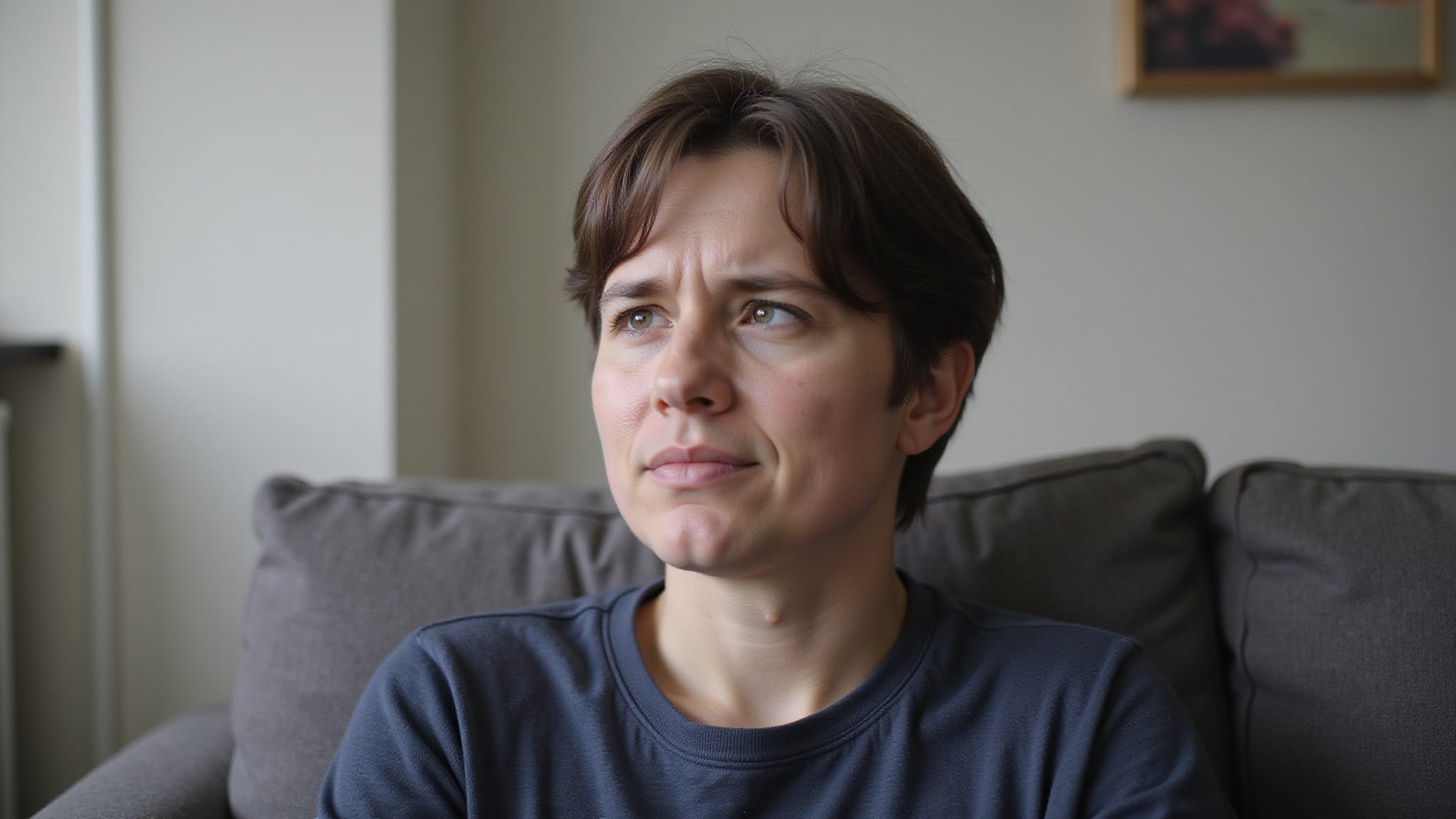
Heroin withdrawal feels overwhelming, with your body reacting within hours of your last use. Symptoms typically begin 6, 12 hours after your last use. Understanding what heroin withdrawal feels like helps you prepare for what’s ahead.
Your body reacts fast, and heroin withdrawal can begin just 6 to 12 hours after the last use.
Early on, you’ll notice anxiety, restlessness, and trouble sleeping. Your heart races, your blood pressure climbs, and your pupils dilate. Heroin withdrawal symptoms then intensify, with muscle aches, spasms, sweating, and chills taking hold. Nausea, vomiting, stomach cramps, and diarrhea disrupt your body further.
Opioid withdrawal also affects you mentally. Intense cravings dominate your thoughts, while irritability and depression weigh heavily. Poor concentration clouds your focus.
Symptoms peak between days one and three. Though deeply unpleasant, this phase is rarely life-threatening, and it will pass.
What causes these symptoms to occur
Withdrawal symptoms occur because your body adapts to heroin’s constant presence, so they emerge once you stop using. Over time, heroin suppresses your central nervous system, and your body compensates by ramping up activity to maintain balance. When you begin quitting heroin, that suppression suddenly disappears, but your overcompensating systems keep firing. This rebound explains why your heart races, your blood pressure climbs, and your pupils dilate, your autonomic nervous system activates without heroin holding it in check. Heroin cold turkey dangers can include severe anxiety, intense cravings, and potentially life-threatening complications. It’s essential to seek medical assistance when attempting to quit, as professional help can significantly reduce the risks associated with withdrawal.
The same mechanism triggers your gastrointestinal distress, muscle aches, and sweating. Your brain’s reward chemistry, which heroin hijacked, struggles to function normally, producing anxiety, depression, and intense cravings. During heroin detox, these symptoms reflect your body relearning how to regulate itself. It’s uncomfortable, but it’s healing.
What are the physical symptoms you experience

The physical symptoms you experience affect nearly every system in your body. Your heart rate climbs rapidly, and your blood pressure rises markedly during the acute phase. You’ll sweat profusely while chills grip you at the same time. Severe muscle aches and spasms settle into your major muscle groups, making rest difficult.
Your gastrointestinal system suffers too. Nausea and vomiting disrupt your ability to eat, while stomach cramps, abdominal pain, and diarrhea cause frequent, uncontrollable bowel movements. Your appetite drops, reducing the nutrition your recovery needs.
You may notice your pupils dilate, a sign your autonomic nervous system is activated. These symptoms are intensely unpleasant, but remember: heroin withdrawal is rarely life-threatening, and each symptom will pass.
What are the psychological symptoms you face
The psychological symptoms you face include anxiety, irritability, restlessness, intense cravings, depression, and poor concentration. Anxiety often arrives early, surfacing alongside those first hours of withdrawal, and it tends to persist. You’ll likely feel irritable and restless, unable to settle your thoughts or your body. Intense cravings dominate your focus, pulling your attention back to the drug even when you’re determined to quit.
As the physical peak passes, depression frequently follows, weighing heavily on your mood. Poor concentration makes clear thinking difficult, and negative mood states can linger well beyond the acute phase, sometimes for weeks or months as part of post-acute withdrawal. Understanding that these psychological symptoms are temporary and treatable can help you stay grounded through the hardest days.
How long does it last and when does it peak

Heroin withdrawal typically lasts five to seven days for the acute physical phase, and symptoms peak between one and three days after your last use. Symptoms typically begin within 6 to 12 hours of your last dose. From there, they intensify quickly, reaching peak severity between one and three days after your last use. During this window, you’ll face the most intense physical and psychological distress.
| Timeframe | What You Experience | Intensity |
|---|---|---|
| 6, 12 hours | Anxiety, trouble sleeping | Mild-moderate |
| 1, 3 days | Muscle aches, nausea, cravings | Peak |
| 3, 5 days | Diarrhea, chills, restlessness | Declining |
| 5, 7 days | Fading physical symptoms | Mild |
| Weeks, months | Depression, low mood | Lingering |
The acute physical phase usually resolves within five to seven days. However, psychological symptoms like depression can linger for weeks, and post-acute withdrawal may persist for months, requiring ongoing support.
How can you ease the discomfort
Professional treatment support eases heroin withdrawal discomfort by greatly reducing the intensity of your symptoms and lowering your risk of relapse. Because symptoms peak between one and three days after your last use, having medical supervision during this window matters most. Medications such as buprenorphine and methadone can prevent much of the acute discomfort altogether, and clinicians can treat individual symptoms like nausea, cramping, and insomnia directly. Heroin addiction cure is a complex challenge that often requires a multifaceted approach. In addition to medication, behavioral therapies play a crucial role in achieving long-term recovery.
Stay hydrated to counter fluid loss from diarrhea, vomiting, and sweating. Eat small, nutritious meals even when your appetite drops, since poor intake slows recovery. Rest when you can, though insomnia may resist your efforts early on.
Address your psychological symptoms too. Anxiety, irritability, and cravings respond to counseling and, when appropriate, medication your provider prescribes. Don’t attempt this alone. Professional care eases discomfort and supports the depression that lingers afterward. Withdrawal is unpleasant, but with proper support, you’ll get through it safely.
When should you seek help for heroin withdrawal
You should seek help for heroin withdrawal as soon as symptoms begin, typically 6, 12 hours after your last use, rather than waiting for peak intensity between days one and three. If you’re experiencing severe vomiting, diarrhea, or profuse sweating, seek care promptly, since dehydration and electrolyte imbalances can become dangerous without support. Watch for a rapid heart rate and elevated blood pressure that don’t ease, and don’t ignore persistent depression or intense cravings, which raise your relapse risk. Heroin withdrawal rarely threatens your life, but professional treatment eases discomfort and protects your recovery. If you have underlying health conditions, contact a provider before symptoms start. You don’t have to endure this alone.
Conclusion
Withdrawal is usually described as something to survive, which is accurate but incomplete. The acute phase is short, five to seven days, and knowing that the worst falls on days one to three makes the hardest stretch easier to sit through.
What deserves more attention is that most of this discomfort is treatable rather than mandatory. Buprenorphine and methadone can prevent much of it outright, which is why enduring withdrawal unmedicated is a choice rather than a requirement. And the low mood and cravings that persist for weeks after the physical symptoms clear are where relapse most often happens, so support that continues past the first week matters more than support during it.
You Deserve a Safer Path Forward
Heroin has taken so much, but reaching out for help right now can change the entire direction of your story. At The Hope Institute in Oakland, NJ, our caring team offers compassionate outpatient Heroin Addiction Treatment with medical safety, warmth, and understanding at every step. Call +1 (855) 659-2310 today and let us walk with you toward a safer tomorrow.
Frequently Asked Questions
Why is it called kicking the habit?
The phrase comes from restless leg symptoms during opioid withdrawal, where involuntary muscle twitching and an unbearable urge to move the legs produce visible kicking. It is one of the more distinctive features of the process, worst at night when it makes sleep close to impossible. The related phrase about cold turkey refers to goosebumps and pale, clammy skin during the same phase.
Why does everything hurt more during withdrawal?
Opioids suppress pain signaling, and the body compensates by becoming more sensitive to it. When the drug is removed, that heightened sensitivity is exposed with nothing dampening it, a state called hyperalgesia. Ordinary sensations register as painful and existing aches feel far worse. It resolves as the system recalibrates, though it can take weeks, and it is one reason pain management after opioid dependence needs a specific plan.
Does the length of use change how bad withdrawal is?
Duration and dose both matter, but the drug involved matters more than people expect. Short-acting opioids like heroin produce a fast, intense withdrawal, while longer-acting ones like methadone produce a milder but considerably longer one. Someone using heavily for six months may have a rougher acute phase than someone using lightly for years. Co-occurring anxiety or depression tends to intensify the psychological side regardless of history.
Can you work during heroin withdrawal?
Unmedicated, the first three to five days are realistically not workable given the gastrointestinal symptoms, sweating, and lack of sleep. Medication-assisted treatment changes that picture substantially, since a stabilized dose prevents most acute symptoms and many people continue working from the start. Concentration usually stays below baseline for a few weeks either way, so demanding cognitive work may feel harder than expected for a while.
What does recovery feel like after the first month?
Better than the first week, but not yet normal. Sleep is often still uneven, energy comes and goes, and pleasure from ordinary things stays muted for a while as the reward system recalibrates. Cravings become less constant but arrive more suddenly, often tied to a place or a mood rather than physical discomfort. Most people describe steady improvement across three to six months rather than a clear finish line.