
alcohol and mental health
Is Alcohol a Stimulant or Depressant? What Science Says
Is alcohol a depressant or a stimulant? Learn why the first drinks feel energizing, how alcohol slows your brain, and how it affects anxiety and depression.

Is alcohol a depressant or a stimulant? Learn why the first drinks feel energizing, how alcohol slows your brain, and how it affects anxiety and depression.
Is cocaine a depressant or a stimulant? Cocaine is a stimulant. Learn how it affects your brain, why the crash feels like a depressant, and the risks.

What drugs cause paranoia? Learn how meth, cocaine, cannabis, hallucinogens, and withdrawal trigger paranoid thinking, how long it lasts, and treatment.
Are muscle relaxers addictive? Learn which ones carry the most risk, why Soma is controlled, the signs of misuse, withdrawal risks, and treatment options.

Is cyclobenzaprine addictive? Learn its addiction risk, why it is not an opioid, signs of Flexeril misuse, withdrawal symptoms, and how to use it safely.
The M365 pill is hydrocodone 5 mg and acetaminophen 325 mg. Learn what it does, how strong it is, M365 vs M366, side effects, and addiction risks.
Is hydrocodone addictive? Yes. Learn how hydrocodone dependence develops, how it compares to oxycodone, warning signs, withdrawal, and treatment options.
Subutex vs Suboxone: learn how buprenorphine alone compares to buprenorphine with naloxone, why Subutex was discontinued, side effects, and which is safer.

Weed shakes are tremors or chills after cannabis use. Learn what causes them, how long they last, how to stop them, and when shaking signals withdrawal.
Is Vyvanse addictive? Learn how lisdexamfetamine works, how it compares to Adderall, signs of misuse, what stopping feels like, and treatment options.
MDMA stays in urine 1 to 3 days, blood and saliva 1 to 2 days, and hair up to 90 days. Learn what affects detection times, drug tests, and MDMA risks.

Cocaine’s effects on the nervous system: learn how long-term use alters the brain and which changes can reverse over time.

Cocaine and ADHD: learn how long-term use worsens dopamine dysfunction, symptoms, and addiction risk, plus how to find integrated care.

Cocaine nosebleeds happen when vasoconstriction cuts blood flow to nasal tissue. Learn the root cause and why the damage worsens over time.
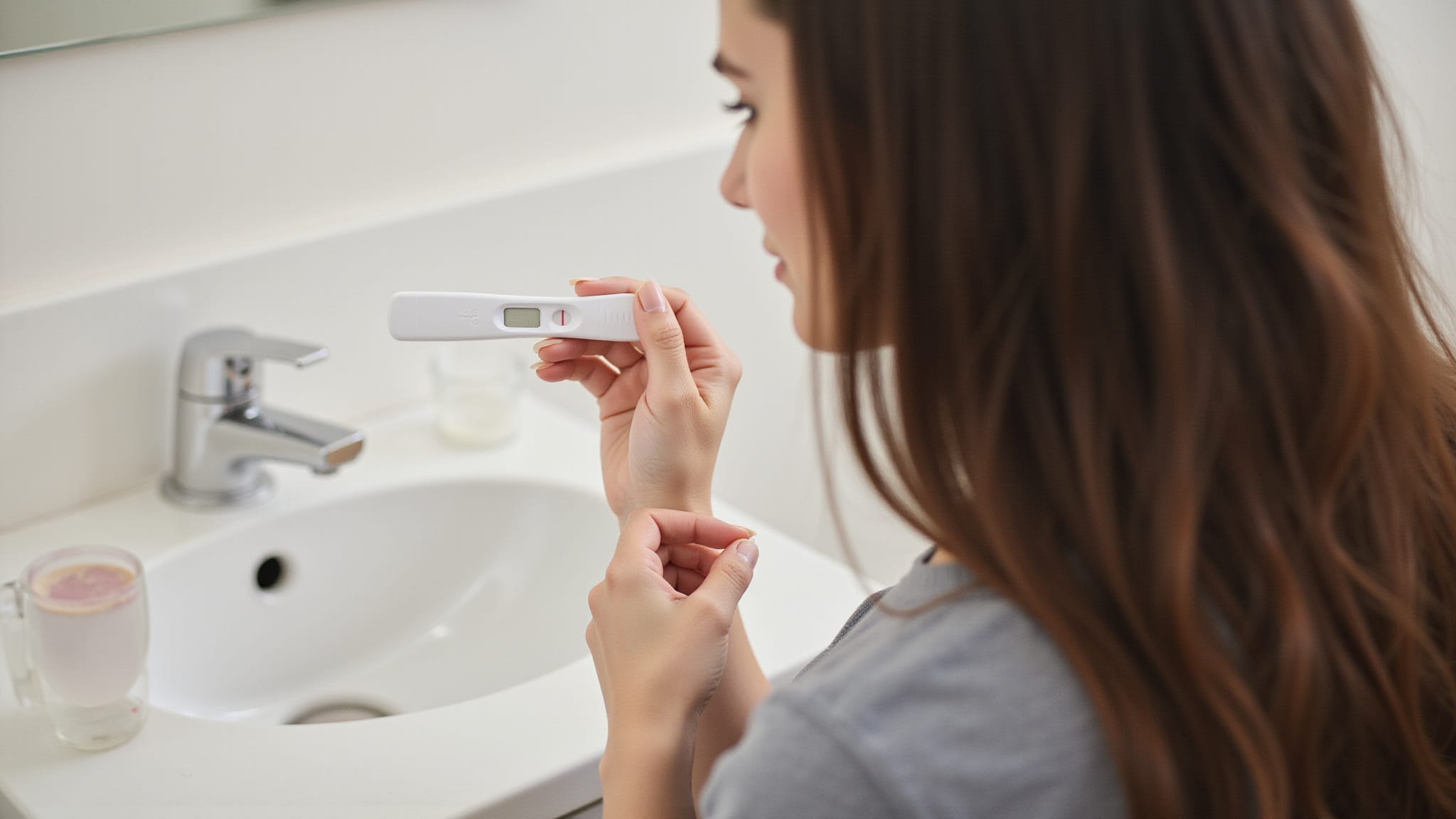
Standard urine pregnancy tests cannot detect cocaine. Learn why hCG assays and drug tests target different substances entirely.
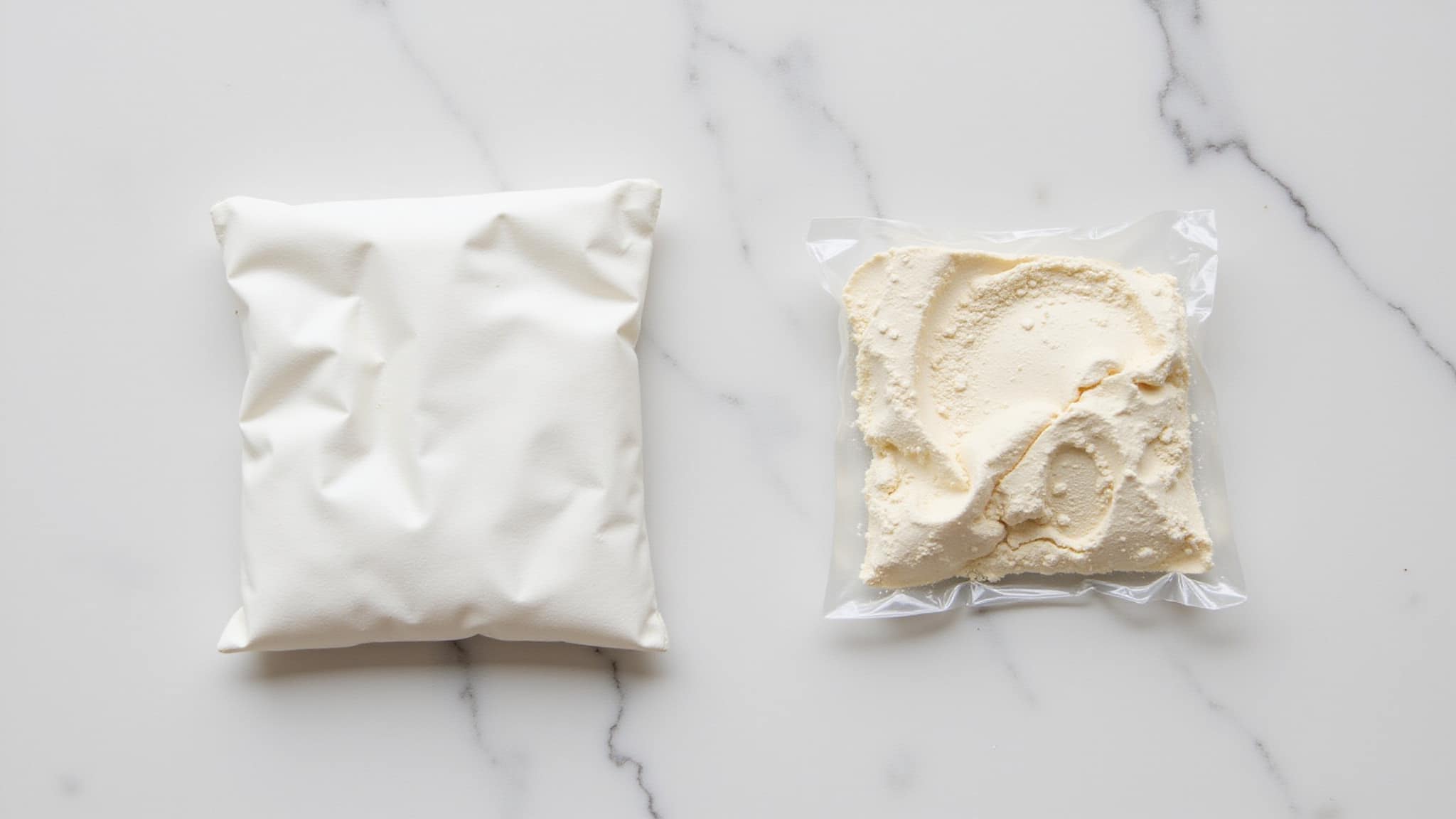
Heroin overdose has no distinct odor. Learn the real clinical signs, like slowed breathing and pinpoint pupils, that confirm an overdose.

Heroin addict survival rates explained: learn how treatment, methadone, and active use change your mortality risk and odds of living longer.
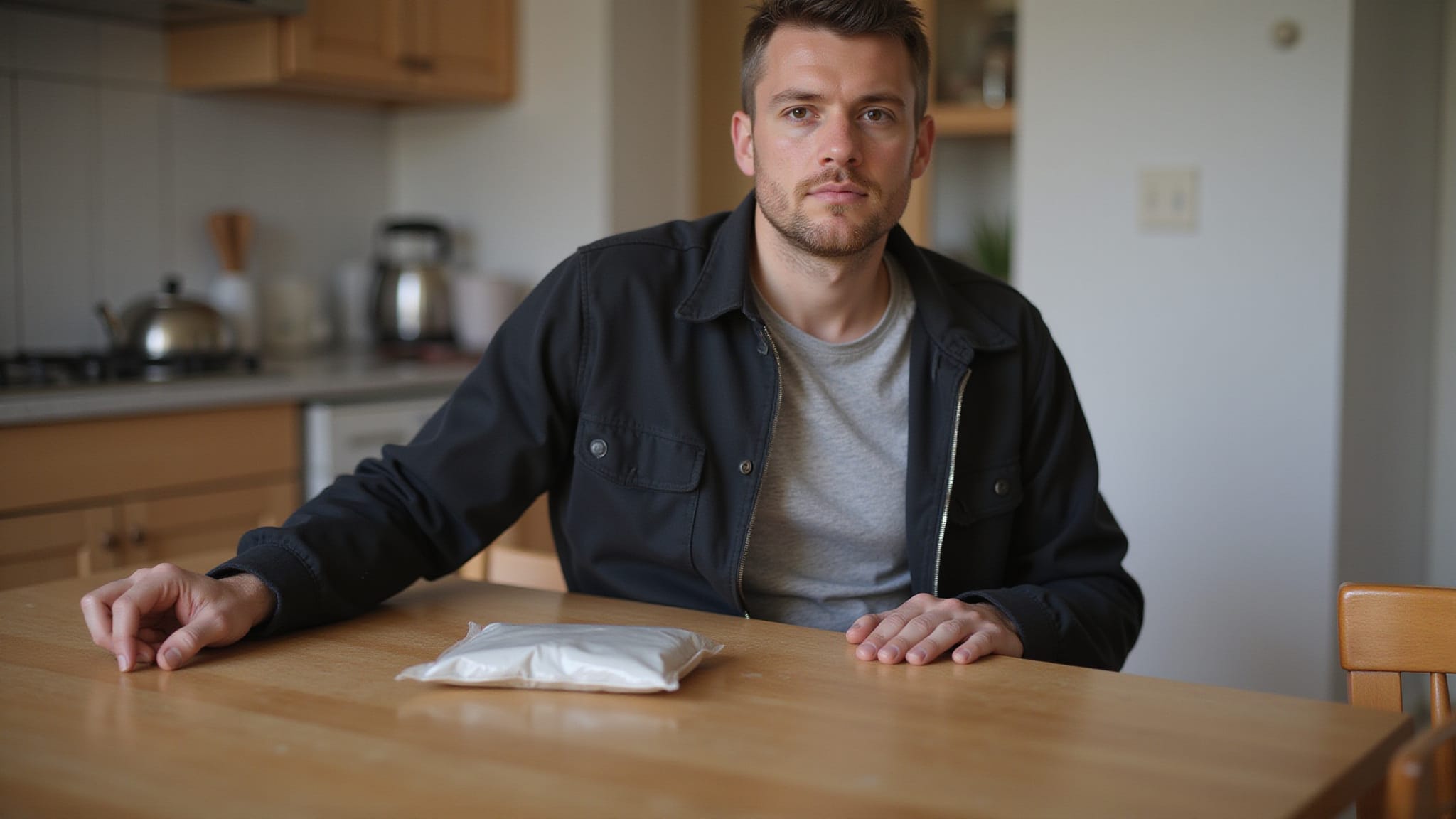
Heroin addiction explained: learn how it rewires your brain’s reward system, causing tolerance, withdrawal, and compulsive use.
Heroin addicts and stealing: understand how craving and withdrawal impair judgment so you can respond more effectively.
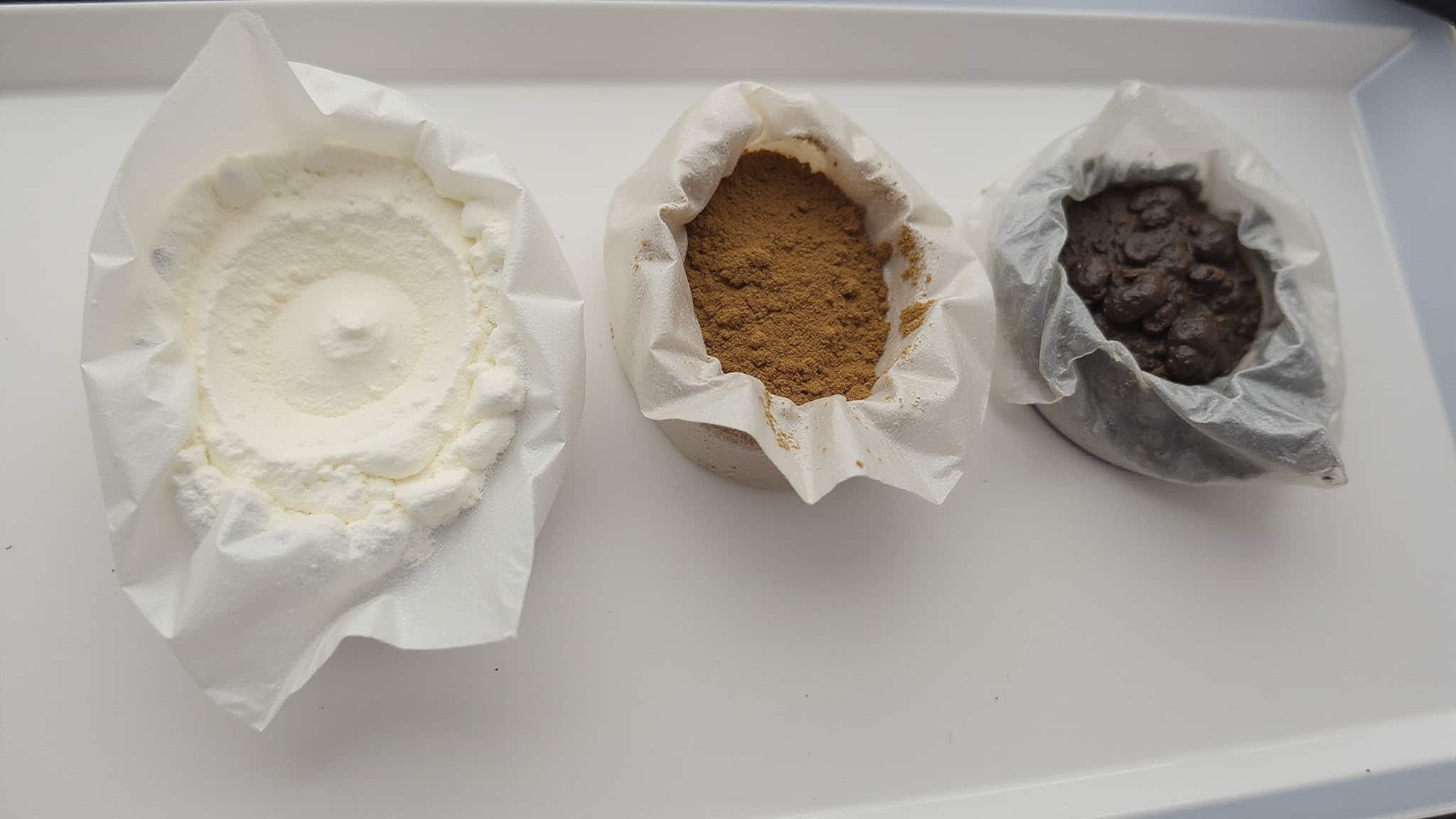
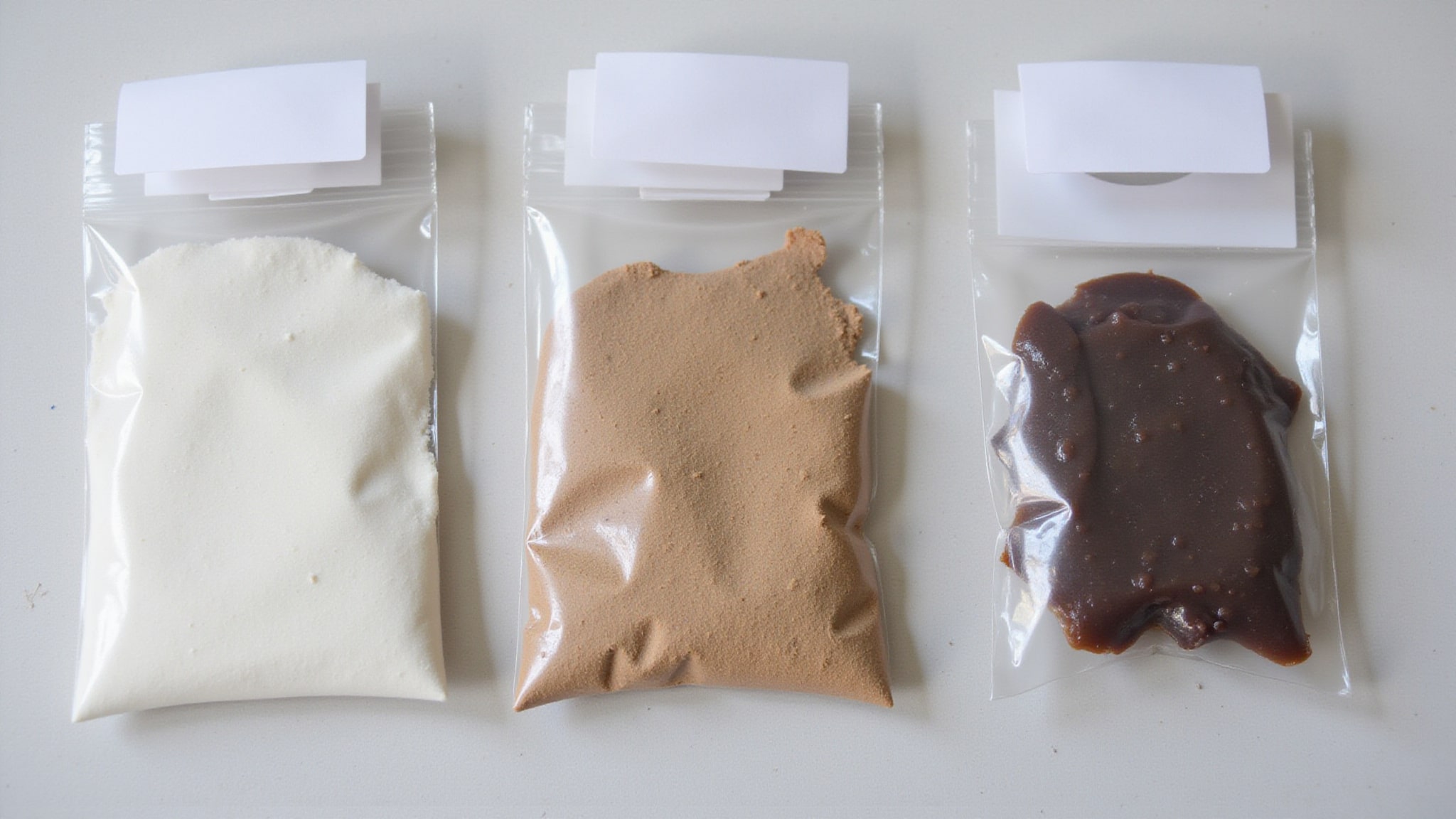
Types of heroin sold include white powder, brown powder, and black tar. Learn how each looks, where it’s found, and why fentanyl makes all forms risky.
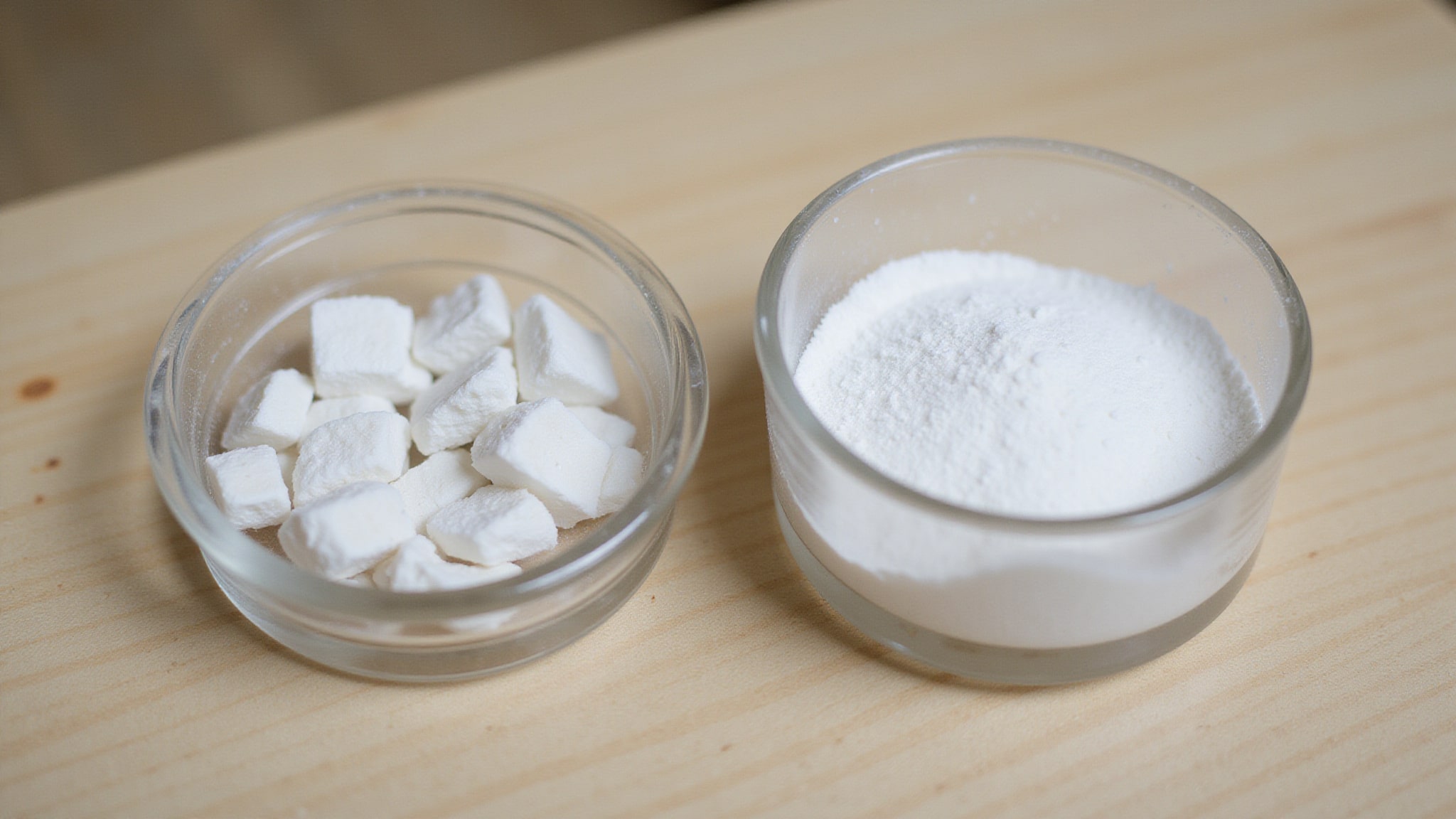
Meth vs heroin: meth is a stimulant that speeds you up, heroin an opioid that slows you down. Learn the key differences in effects and risks.

Cocaine vs heroin: learn how a stimulant and a depressant differ in effects, addiction risk, and overdose dangers.
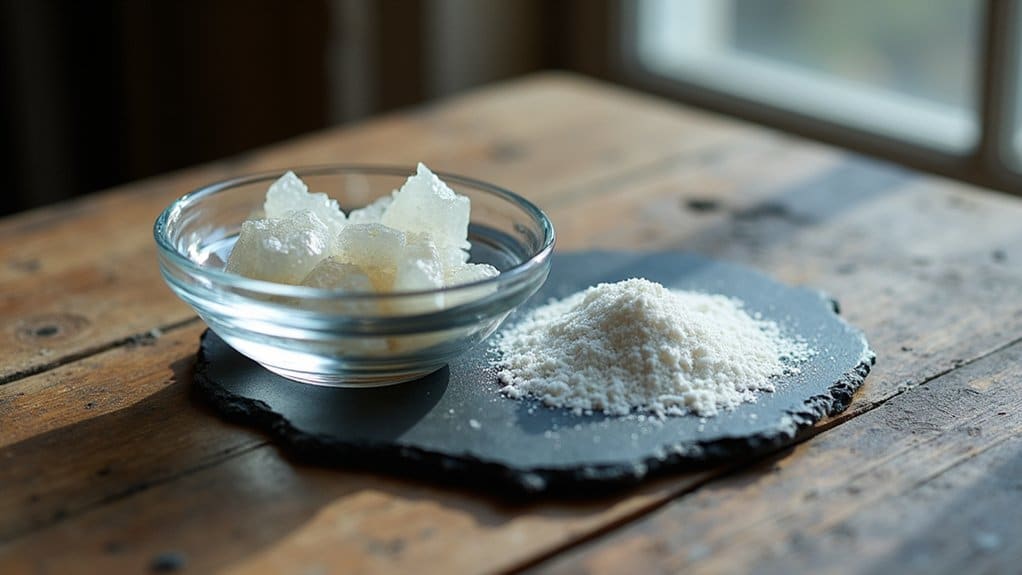
Crack vs heroin: learn the key differences in effects, form, health risks, and treatment options between these two drugs.
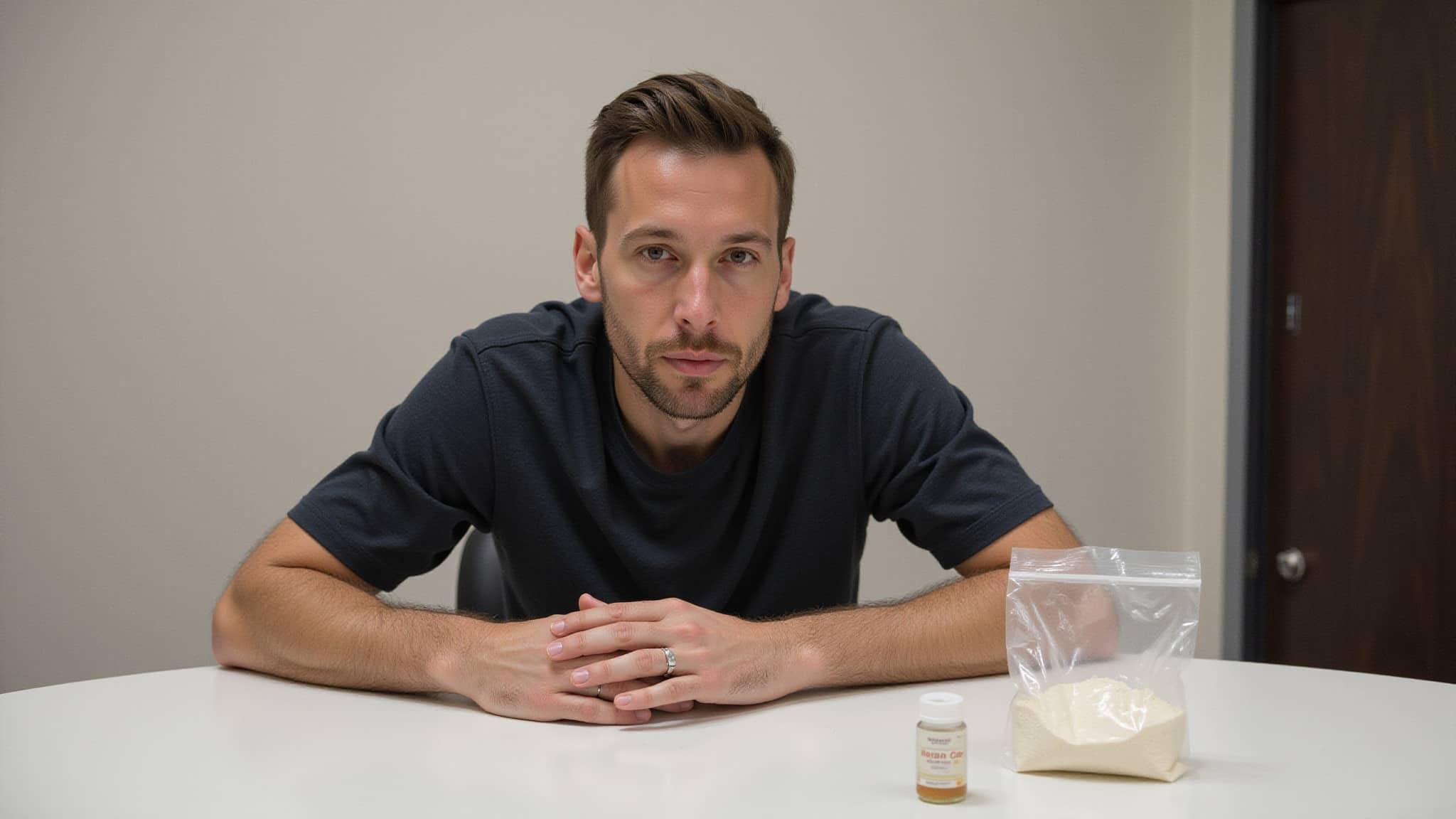
Morphine vs heroin: learn how one chemical change alters brain speed, potency, and duration in clear, simple terms.

Drinking problem signs: learn the early warning patterns that reveal when casual drinking has become a real concern.

Alcohol and heart palpitations: learn why they hit the morning after and how to tell when the symptoms need medical attention.

Alcohol and metformin can cause lactic acidosis and hypoglycemia. Learn the warning signs and how to lower your risk.

Skipping alcohol for a month improves sleep, liver health, and mood. See the week-by-week timeline of what changes and when.
Handle a narcissist alcoholic with clear boundaries, behavior focus, and self-protection strategies that keep you steady and safe.

Falling asleep after getting drunk is hard because alcohol causes rebound arousal. Learn how each sleep phase is affected and why rest suffers.